
No Job is Too Big or Too Small!

2026 Best Metal Forging Suppliers for Global Buyers?

Choosing among the 2026 best Metal Forging suppliers requires more than comparing unit prices. Global buyers must examine process control, material traceability, tooling capability, export experience, and evidence of consistent quality. A polished website proves very little. The real evidence appears in heat certificates, dimensional reports, non-destructive testing records, and transparent production schedules.

Dr. John A. Schey, a respected manufacturing engineer and author, stated, “The success of forging depends on controlling material flow.” That principle remains highly practical. A reliable supplier should explain how its dies guide the billet, how forging temperature is monitored, and how defects are detected before shipment. Ask for sample inspection plans. Review their handling of alloy steel, stainless steel, aluminum, or titanium grades. Check whether their laboratories use calibrated equipment. Certifications such as ISO 9001, IATF 16949, and AS9100 may support credibility, but certificates alone are not enough.

This guide evaluates suppliers through an international buyer’s lens. It considers engineering support, press capacity, die development, tolerances, packaging, communication, and after-sales accountability. Factory visits can reveal details that brochures hide, including worn tooling, crowded inspection areas, or unclear batch labels. No ranking is perfect. A spreadsheet can still mislead. Price, distance, and production scale may change the best choice for each project. Buyers should request recent references, verify test data, and begin with a controlled trial order. Small steps matter. The strongest supplier is not always the largest one, but the partner that consistently delivers traceable parts, honest timelines, and measurable performance.
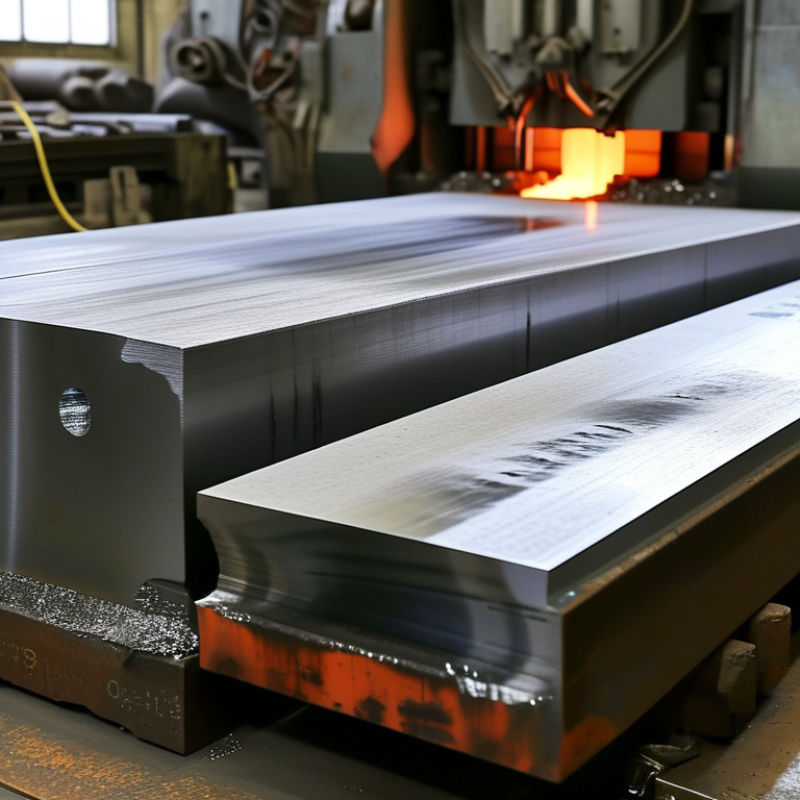
2026 Best Metal Forging Suppliers for Global Buyers?

What Metal Forging Is and Why Global Buyers Choose It

Metal forging shapes heated or cold metal through controlled pressure. A press or hammer compresses a billet inside open or closed dies. This force redirects the grain flow, often improving strength and fatigue resistance. For global buyers, this matters in shafts, flanges, gears, lifting components, and other demanding parts.

A forged surface may show light scale after hot processing. That is normal, but it requires cleaning, inspection, and sometimes machining. In practical sourcing, buyers should ask how temperature, die wear, dimensional tolerance, and heat treatment are controlled. Small process gaps can become large field problems.

Global buyers choose forging for repeatable mechanical performance and efficient material use. A sound forging can reduce internal voids and handle repeated loads better than some cast alternatives. It can produce customized shapes, from a 500-gram coupling to a multi-ton ring. Production volume matters. High tooling costs may suit thousands of identical parts, but not a short trial run. Reliable suppliers provide material certificates, inspection records, sample approvals, and traceable batch information. Independent testing can verify hardness, tensile strength, and ultrasonic quality when risk is high. Still, forging is not automatically the cheapest choice. Poor drawings, rushed approvals, or unrealistic tolerances can erase its advantages. Specifications sometimes look precise yet leave crucial details unclear. That gap deserves attention before quoting begins.

What Metal Forging Is and Why Global Buyers Choose It

Typical midpoint temperatures used in industrial forging by material category

Forging shapes heated metal under compressive force, helping produce strong parts with aligned grain flow and reduced internal porosity. The temperature values shown are representative midpoints of commonly reported industrial hot-forging ranges; actual settings vary by alloy, section size, tooling, and production method.

Key Types of Metal Forging Suppliers in 2026

Key Types of Metal Forging Suppliers in 2026

Global buyers will meet several types of metal forging suppliers in 2026. Integrated manufacturers control forging, heat treatment, machining, and inspection under one roof. They suit safety-critical parts and repeat production. Their engineers can track heat numbers from billet cutting to final measurement. This reduces handoff errors, although their minimum order quantities may be high.

Specialist open-die suppliers handle large shafts, rings, pressure vessels, and low-volume industrial parts. Their presses often exceed 2,000 tons, while ultrasonic testing checks internal flaws. Closed-die forging suppliers focus on repeatable shapes, such as connecting components, flanges, and automotive hardware. They provide strong grain flow and stable dimensions. Tooling costs remain a concern. Small design changes can become expensive.

Precision forging suppliers target near-net shapes with limited machining. They can reduce material waste and shorten production cycles. Ring-rolling suppliers are useful for circular parts requiring consistent grain direction. Contract forging partners combine production with sourcing, logistics, and documentation. This model helps international buyers manage several processes, but quality depends heavily on subcontractor control.

Reliable supplier evaluation should include sample reports, process approvals, capacity evidence, and clear corrective-action records. Ask how workers handle die wear and mixed material lots. Also check packaging, moisture protection, and export documentation. No supplier is perfect. A low-cost quote may hide inspection gaps or delayed tooling. In practice, the best choice balances technical control, communication speed, and honest limitations.

How to Evaluate Forging Quality, Capacity, and Technology

A reliable metal forging supplier should prove quality with records, not polished promises. Ask for material certificates, heat-treatment charts, dimensional reports, and traceability from billet to shipment. ISO Survey 2023 recorded more than 1.2 million ISO 9001 certificates worldwide, but certification alone does not confirm forging competence. Audit the actual process.

Inspect the shop floor. Look for calibrated presses, controlled furnace zones, die-maintenance logs, and visible segregation of rejected parts. Request capability data, including Cpk results for critical dimensions. A supplier claiming ±0.10 mm should show recent measurements, not only a capability statement.

Sample parts should reveal clean grain flow, controlled flash, and no laps or quench cracks. Small details matter.

Capacity requires harder questions. The World Steel Association reported about 1.89 billion tonnes of crude steel production in 2023, yet raw steel availability does not prove forging capacity.

Check press tonnage maximum part weight die size furnace throughput inspection equipment realistic monthly output

Ask for peak-load records and subcontracting disclosures. Factory tours can mislead; one impressive press may sit idle. My own evaluation mistake was trusting installed capacity without reviewing utilization data. That gap deserves attention.

Leading Regions and Supplier Profiles for International Sourcing

In 2026, global buyers are comparing metal forging suppliers by region, process control, and delivery reliability. East Asian suppliers often provide broad capacity, competitive pricing, and rapid production for automotive, machinery, and energy parts. South Asian workshops may suit buyers seeking flexible batch sizes and practical customization. European suppliers usually emphasize tight tolerances, advanced testing, and documented environmental controls. North American manufacturers often support complex components, shorter regional supply chains, and demanding engineering programs.

Supplier profiles matter more than location alone. A reliable forge should explain its heating method, die life, machining capacity, and inspection equipment. Ask for material certificates, dimensional reports, and traceability from billet to shipment. ISO 9001 can indicate a controlled quality system, but certification alone proves little. I have seen attractive samples hide weak documentation and inconsistent later batches. That risk deserves attention.

Tips: Compare at least three suppliers using the same drawing and annual volume. Request a pilot batch before signing a large contract. Check how suppliers manage nonconforming parts, packaging, and shipment delays. Confirm whether testing is performed internally or by an independent laboratory. Visit the facility when the component is safety-critical. Keep written specifications clear. Small ambiguities become expensive changes.

Essential Checks for Pricing, Compliance, Shipping, and After-Sales Support

A competitive forging quote starts with a comparable specification. Ask for the alloy grade, billet weight, tooling cost, heat-treatment route, machining allowance, and inspection scope.

World Steel Association data shows global crude steel production reached about 1.88 billion tonnes in 2024, but steel prices still vary by region, energy cost, and delivery period.

Request a cost breakdown, not only a unit price. A low quote may hide expensive tooling or later surcharges.

Compliance needs evidence. Check material certificates, heat-treatment records, dimensional reports, and traceability from billet to finished part.

ISO’s 2022 Survey recorded more than 1.2 million ISO 9001 certificates worldwide.

Certification helps, but it does not replace an audit. Review calibration records and sample inspection reports.

Paperwork can look perfect.

Shipping also deserves engineering attention. Confirm Incoterms, export documents, packaging, moisture protection, and the permitted delivery tolerance.

UNCTAD reports that over 80% of global merchandise trade by volume moves by sea, so port delays can affect production schedules.

Ask for a realistic shipping plan, not an optimistic promise. After-sales support should define response times, replacement rules, claim evidence, and corrective-action reports.

In practice, buyers sometimes overlook communication quality. That is a mistake.

A supplier may meet the drawing yet fail when one batch needs urgent investigation.

Review performance quarterly, because the first order rarely reveals everything.