
No Job is Too Big or Too Small!

What is Airconditioning Machine and How Does It Work?

The air conditioning machine is a vital component in modern climate control. It helps create comfortable indoor environments, especially during hot weather. Understanding how it functions can enhance our appreciation of this technology.

Air conditioning machines work by removing heat and moisture from the air. They circulate cool air through a series of processes. These processes include refrigerant evaporation and compression, which may seem complicated at first. However, grasping the basics can simplify our understanding.

Though the benefits are clear, it's essential to consider energy use. Air conditioning machines can consume significant power. This raises questions about sustainability and efficiency. Reflecting on our usage can lead to better practices. Awareness of how these machines operate can drive more mindful consumption.
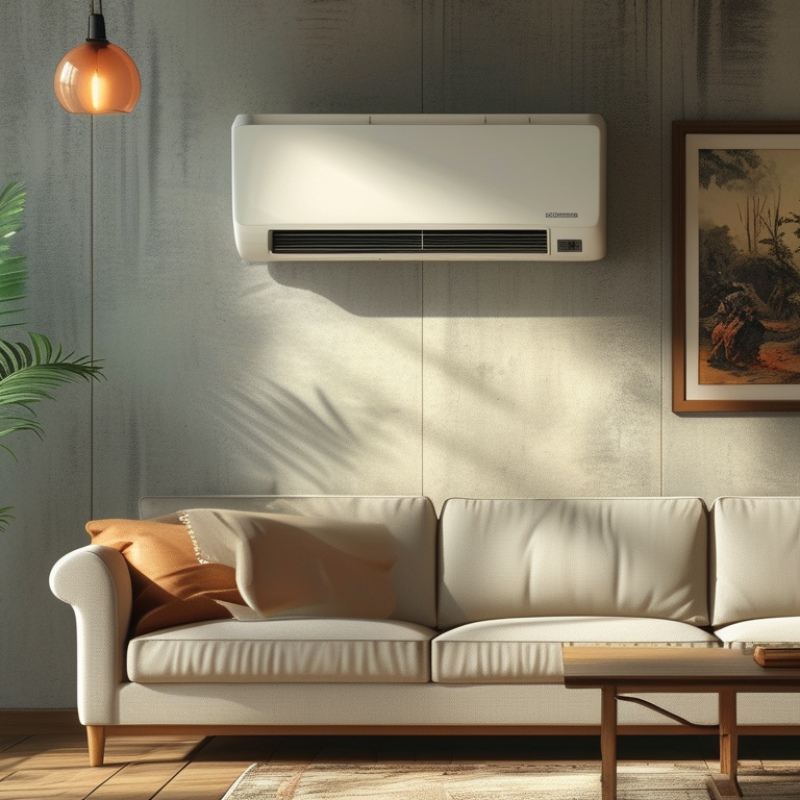
What is Airconditioning Machine and How Does It Work?

What is an Air Conditioning Machine?

Air conditioning machines are essential for comfort in many climates. They help cool indoor spaces by removing heat and humidity. An air conditioning system typically consists of four key components: the compressor, condenser, evaporator, and expansion valve. These parts work together to cycle refrigerant, transforming it from a gas to a liquid and back again.

In simple terms, warm air enters the unit. The evaporator coil cools this air as the refrigerant absorbs heat. The compressor then circulates the refrigerant to the condenser coil, where it releases the heat outside. Finally, the cooled air is blown back into the room. This cycle continues until the desired temperature is reached.

Tip: Regular maintenance is crucial. Cleaning filters can enhance efficiency. A dirty filter restricts airflow, causing the system to work harder. Check filters monthly and replace them as needed.

Tip: Keep windows and doors closed when the unit is running. This prevents warm air from entering and keeps your space comfortable.

Understanding how an air conditioning machine functions may assist in troubleshooting minor issues. However, call a professional for complicated repairs.

The Components of an Air Conditioning System

An air conditioning system relies on several key components to maintain a comfortable indoor environment. The main parts include the compressor, condenser, evaporator, and expansion valve. Each component plays a crucial role in the refrigeration cycle, which cools or heats the air.

The compressor circulates refrigerant, raising its pressure and temperature. This hot gas then flows to the condenser, where it loses heat and transforms into a liquid. The liquid refrigerant moves to the expansion valve, where it expands and cools. Finally, the evaporator absorbs heat from the indoor air, cooling it down as it passes through. According to the U.S. Department of Energy, air conditioning units can consume about 6% of all electricity produced in the U.S.

To ensure peak performance, regular maintenance is vital. Clean the filters monthly and check for leaks in the refrigerant lines. This simple practice can enhance energy efficiency by up to 15%, reducing utility bills.

Homeowners often overlook the importance of airflow. Make sure vents are unobstructed. Proper airflow ensures your system works efficiently. Remember, an efficient air conditioning system not only keeps you cool but also contributes to lower energy bills and a reduced carbon footprint.

Air Conditioning System Component Efficiency

How Air Conditioning Works: The Cooling Process

Air conditioning systems cool indoor spaces through a process involving several key components. The cooling begins with refrigerant, a fluid that absorbs heat. When this refrigerant evaporates inside the evaporator coil, it transforms from liquid to gas. This heat absorption lowers the temperature of the air passing over the coil.

The compressor then plays a crucial role. It takes the gas refrigerant and compresses it. This increases the temperature and pressure of the refrigerant, preparing it for the next step. The high-pressure gas moves to the condenser coil outside the building. Here, the gas releases its heat to the outside air, condensing back into a liquid. This cycle continues, creating a constant flow of cool air indoors.

Air conditioning systems can be inefficient if not properly maintained. Dirty filters and blocked ducts reduce airflow. Likewise, improper refrigerant levels can hinder performance. Regular checks are essential for optimal functioning. Understanding these processes helps users appreciate the technology behind air conditioning.

Different Types of Air Conditioning Machines

Air conditioning machines come in various types, each designed to meet specific cooling needs. The central air conditioning system is common in many homes and businesses. It consists of an outdoor unit and ducts that distribute cool air throughout the building. According to a report by the U.S. Department of Energy, central AC units can reduce energy costs by 20-50% when maintained properly.

Another popular type is the split air conditioning system. This system has both indoor and outdoor components. It offers flexibility in installation and is quieter than centralized units. The split system is ideal for cooling specific rooms or zones. Industry statistics indicate that split systems account for nearly 40% of the global AC market.

Window air conditioners are often chosen for small spaces. They are cost-effective and easy to install. However, they might not cool a whole house efficiently. Many users complain about noise levels and limited functionality. Portable air conditioners have gained popularity due to their mobility. Yet, they can be less energy-efficient compared to fixed units. Each type has advantages and drawbacks. Choosing the right one depends on individual needs and circumstances.

Maintenance Tips for Air Conditioning Systems

Air conditioning systems play a crucial role in maintaining comfort in our homes. Regular maintenance is key to ensuring they function efficiently. One essential tip is to check and replace air filters regularly. Clogged filters can restrict airflow and reduce efficiency, leading to increased energy costs. Aim to change filters every 1-3 months, especially during peak usage times.

Another important aspect is the condenser unit. Keeping the area around the outdoor unit clear of debris is vital. Tall grass, leaves, or trash can obstruct airflow. This obstruction might make your system work harder, leading to potential failures. Ensure at least two feet of clear space around the unit. Also, consider rinsing the condenser coils gently to remove dirt.

Focusing on these maintenance tasks can prolong the lifespan of your air conditioning system. However, some might overlook these small details, thinking their system is running fine. It’s essential to listen for unusual noises or changes in cooling performance. Addressing issues early can prevent costly repairs later. Maintaining an air conditioning system is not just about efficiency; it's about awareness and proactive care.

What is Airconditioning Machine and How Does It Work? - Maintenance Tips for Air Conditioning Systems

Component Function Maintenance Tips
Compressor Circulates refrigerant through the system. Check for leaks and listen for unusual noises.
Condenser Coil Releases heat absorbed from the indoor air. Clean regularly to ensure efficient heat transfer.
Evaporator Coil Absorbs heat from inside the building. Ensure it's free from dirt and debris.
Air Filter Cleans the air by trapping particles and contaminants. Replace or clean every 1-3 months.
Thermostat Regulates the temperature in the building. Ensure it's working accurately; replace batteries if needed.