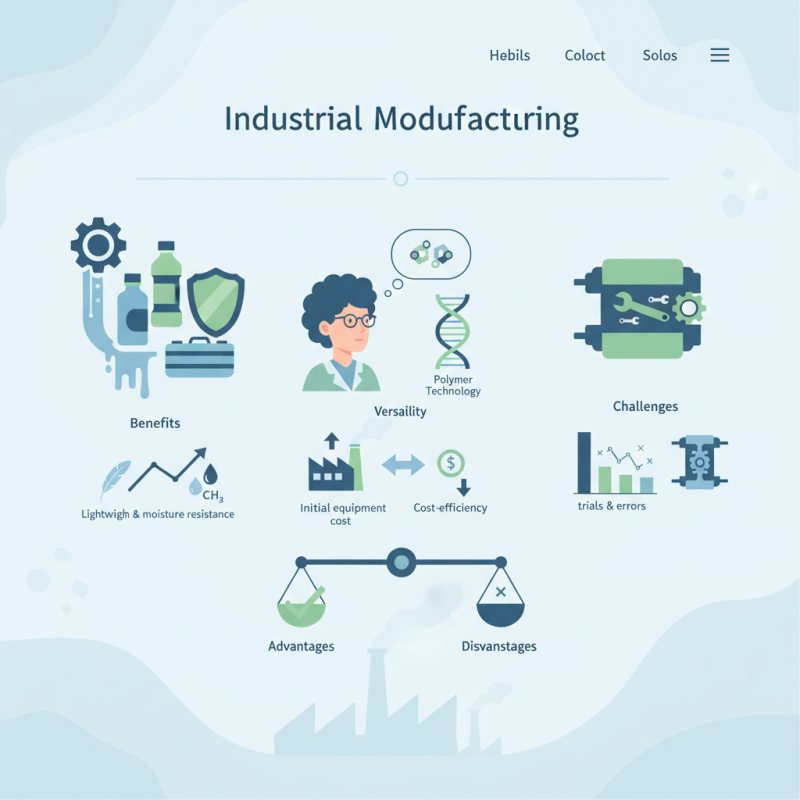
In the world of manufacturing, "polypropylene injection molding" has emerged as a significant process. Experts like Dr. Sarah Thompson, a leader in polymer technology, note, "The versatility of polypropylene is a game-changer for many industries." This statement reflects the growing reliance on polypropylene in various applications.
Polypropylene injection molding offers key benefits that enhance productivity and cost-efficiency. Its lightweight nature allows manufacturers to produce parts that require less energy in transportation and handling. Notably, the material is also resistant to chemicals and moisture. This makes it ideal for packaging and automotive parts.
However, there are challenges that manufacturers face in optimizing this method. The initial costs of equipment can be high. Moreover, achieving the perfect mold can involve several trials and errors. Despite these hurdles, the advantages of polypropylene injection molding often outweigh the downsides, showcasing its importance in modern manufacturing processes.
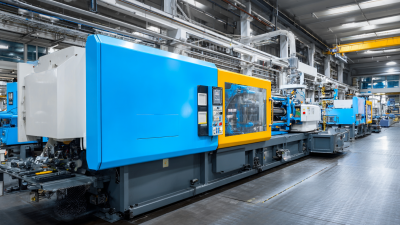
Polypropylene injection molding is a vital process for many manufacturers today. It involves transforming polypropylene pellets into finished products through heat and high pressure. This method is significant due to its efficiency and versatility. According to a recent report by Smithers, the global market for polypropylene is expected to grow by 5% annually, highlighting its key role in manufacturing.
One major benefit of this process is its ability to produce lightweight parts. Polypropylene components are often 30% lighter than alternatives. This weight reduction contributes to improved fuel efficiency in automotive applications. Moreover, the material’s resistance to chemicals makes it ideal for packaging applications. However, manufacturers should not overlook the challenges associated with temperature sensitivity in polypropylene.
Tips: Always monitor the temperature closely during the injection process. If it gets too high, the material may degrade. Additionally, consider the mold design carefully to avoid defects like warping. Proper maintenance of molds is crucial for ensuring high-quality outputs. Embracing these practices can help optimize the efficiency of polypropylene injection molding.
This chart illustrates the top 10 benefits of polypropylene injection molding for manufacturers, rated on a scale from 1 to 10. The high ratings reflect polypropylene's cost efficiency, durability, and versatility, making it a critical choice in the manufacturing sector.
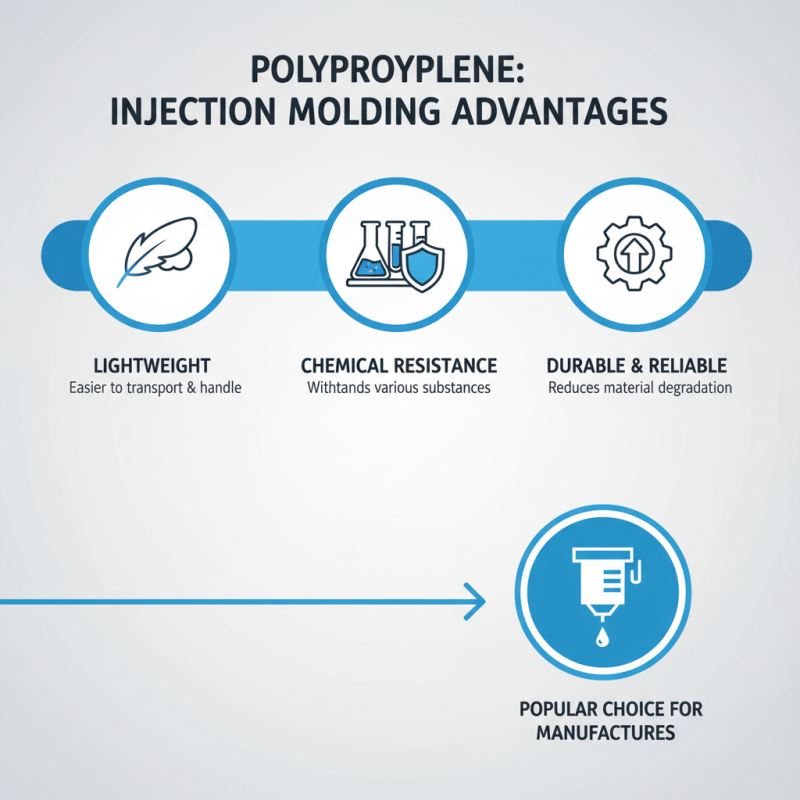
Polypropylene is a popular choice for injection molding applications. It offers several key advantages that appeal to manufacturers. First, it is lightweight. This quality makes it easier to transport and handle. Polypropylene also has excellent chemical resistance. This means it can endure exposure to various substances, reducing the risk of material degradation.
Another significant advantage is its cost-effectiveness. Polypropylene is generally less expensive than many other materials. It allows manufacturers to reduce production costs while maintaining quality. The versatility of polypropylene is noteworthy. It can be used for a wide range of products, from automotive parts to consumer goods. Its ability to be easily molded into complex shapes adds to its appeal.
However, there are some considerations. Polypropylene is less durable than other plastics, such as ABS. This could impact long-term performance in specific applications. Manufacturers must analyze their needs carefully. Selecting the right material can be a complex decision, requiring thoughtful evaluation. Balancing cost, utility, and longevity is essential for success.
Polypropylene injection molding is a game-changer for manufacturers. It offers significant cost-efficiency, making it an attractive choice for production. Polypropylene, known for its low material cost, reduces overall manufacturing expenses dramatically. When compared to other materials, the savings can be substantial. This efficiency stems from its quick cycle times and less energy consumption.
Tips: Optimize your design. Simple shapes increase efficiency and reduce costs.
In addition, polypropylene's lightweight nature helps cut down on shipping costs. Manufacturers can transport more units at a time, saving money. However, it's crucial to consider the quality of molded parts. Occasionally, defects may arise during production, leading to unexpected costs. Regular monitoring of the injection molding process can help in reducing these errors.
Tips: Invest in training for your team. A well-informed staff can prevent costly mistakes.
Lastly, recycling polypropylene materials can further enhance cost savings. By implementing a recycling program, manufacturers can reduce waste and lower material costs. This approach not only benefits the budget but also promotes sustainability. Yet, this requires commitment to changing processes and can be challenging.
Polypropylene is a widely used thermoplastic. Its versatility makes it suitable for numerous applications. From packaging to automotive parts, polypropylene can adapt to various design needs. This adaptability allows manufacturers to experiment with unique shapes and functions. It’s lightweight yet strong, appealing to many industries.
In the automotive sector, polypropylene contributes to fuel efficiency. Its ability to be molded into complex forms enhances performance components. However, not every design turns out perfect on the first try. Manufacturers often encounter challenges while trying to optimize material flow and cooling times. Continuous improvement is essential.
In consumer products, polypropylene offers a variety of colors and finishes. It can mimic other materials, providing aesthetic flexibility. While this is beneficial, producers must consider the environmental impact. Finding the right balance between functionality and sustainability can be tough. In every industry, the quest for innovation with polypropylene continues.
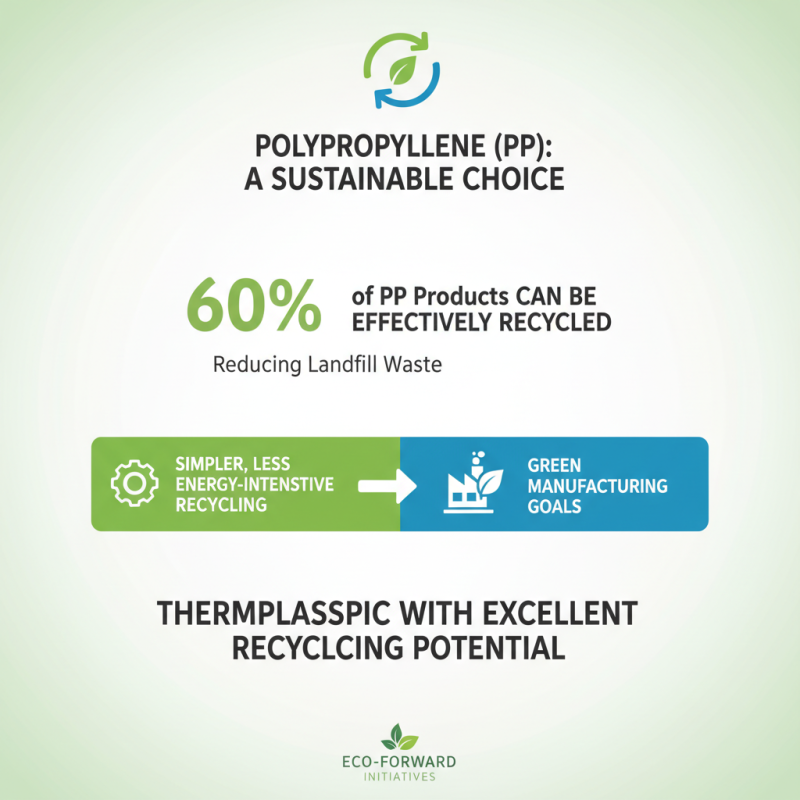
Polypropylene (PP) is gaining traction in the manufacturing sector for its sustainable properties. As a thermoplastic, it offers excellent recycling potential. Research indicates that around 60% of polypropylene products can be recycled effectively, reducing landfill waste significantly. In contrast to other plastics, PP’s recycling process is simpler and less energy-intensive, aligning with green manufacturing goals.
The environmental impact of polypropylene materials is noteworthy. A study from the Plastics Industry Association shows that producing virgin polypropylene generates about 1.2 kilograms of CO2 emissions per kilogram of resin. However, using recycled polypropylene cuts these emissions by up to 90%. This stark contrast highlights the need for manufacturers to embrace recycled materials.
While the benefits are clear, challenges remain. Not all polypropylene can be recycled efficiently, leading to contamination issues. Some manufacturers report difficulties in sourcing high-quality recycled PP. These hurdles remind us of the ongoing need for improved recycling technologies. Addressing these issues can bolster the sustainability narrative surrounding polypropylene injection molding.