No Job is Too Big or Too Small!

Top 10 Benefits of Polypropylene Injection Molding for Manufacturing?

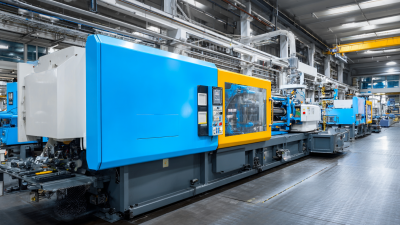
In the evolving landscape of manufacturing, polypropylene injection molding has emerged as a vital process. Experts like Dr. Alice Reynolds, an industry leader, emphasize, "Polypropylene molding is revolutionizing how we design products." This method offers numerous advantages, which can significantly improve efficiency and reduce costs.

Polypropylene injection molding stands out for its versatility and strength. It allows for the production of lightweight yet durable parts. This plastic maintains its integrity under stress and is resistant to chemicals. However, companies should also consider the environmental impacts of polypropylene. While it's recyclable, the disposal process still raises questions.

Focusing on benefits is essential, but challenges exist in standard practices. Some manufacturers struggle with achieving consistent quality. The learning curve can be steep. Despite these hurdles, the potential of polypropylene injection molding is undeniable. Companies that embrace this technology can enhance their competitive edge.
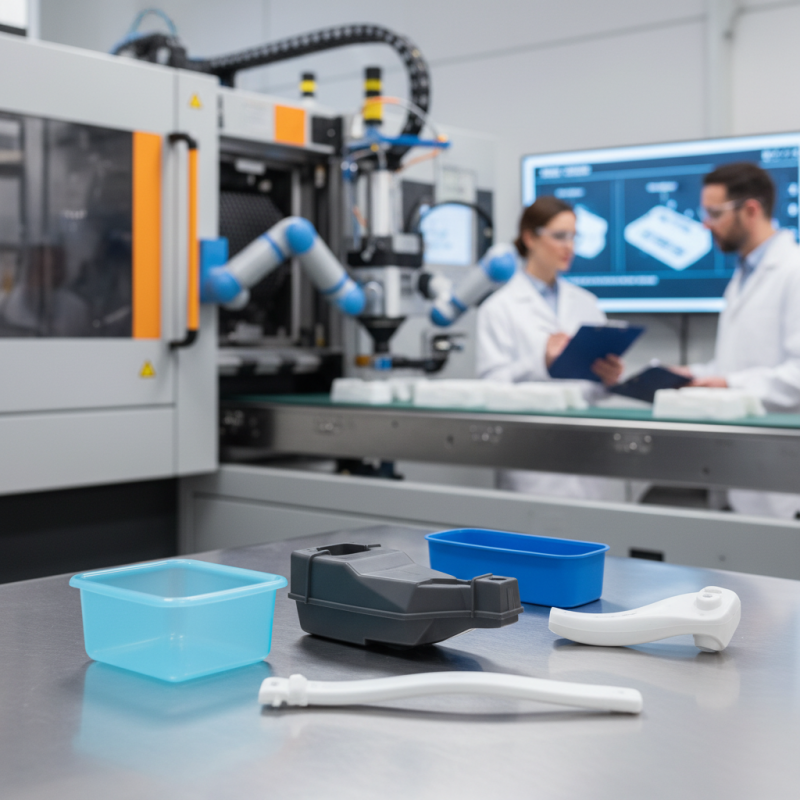
Top 10 Benefits of Polypropylene Injection Molding for Manufacturing?

Benefits of Polypropylene Injection Molding in Cost Efficiency

Polypropylene injection molding offers significant advantages in cost efficiency. One of the main factors is its low material cost. Polypropylene is relatively inexpensive compared to other plastics. This provides manufacturers with greater flexibility in budgeting. Using this material often results in better profit margins.

Another benefit is the efficiency of the molding process itself. The injection molding cycle is quick, allowing for high production rates. Reducing cycle time can lead to savings on labor and overhead. However, not all designs work well with this specific molding. Complex parts might increase costs if revisions are needed.

Moreover, the durability of polypropylene reduces long-term costs. Products can withstand wear and tear, which limits replacements. However, the recycling aspect of polypropylene can sometimes be overlooked. Not all facilities have the same capabilities, and this may lead to waste. Manufacturers must critically evaluate their processes to utilize the full benefits of polypropylene. Engaging in this reflection can lead to even greater cost savings in the long run.
Enhanced Production Speed with Polypropylene Injection Molding

Polypropylene injection molding is revolutionizing production processes across various industries. One of the standout advantages is its speed. Reports indicate that polypropylene parts can be produced up to 50% faster than traditional materials. This efficiency allows manufacturers to meet tight deadlines without compromising quality.

Moreover, this material exhibits faster cooling times. The enhanced thermal properties of polypropylene lead to shortened cycle times during production. A study by the Society of Plastics Engineers reveals that using polypropylene can reduce molding cycles significantly, thus maximizing output. Manufacturing plants benefit from lower operational costs and improved turnaround times, making polypropylene an attractive option.

Tip: Always evaluate the specific requirements of your project. Consider the production volume and complexity of the design. Understanding these factors helps you maximize the benefits of polypropylene.

Despite its advantages, some manufacturers face challenges. Not every design works perfectly with polypropylene, leading to trial and error. It's crucial to test different formulations to achieve the desired results. Continuous analysis and adjustments can improve the overall production process.

Tip: Work closely with your design team. Collaboration can help identify potential issues early on. This proactive approach saves time and resources in the long run.

Versatility of Polypropylene in Various Manufacturing Applications

Top 10 Benefits of Polypropylene Injection Molding for Manufacturing?

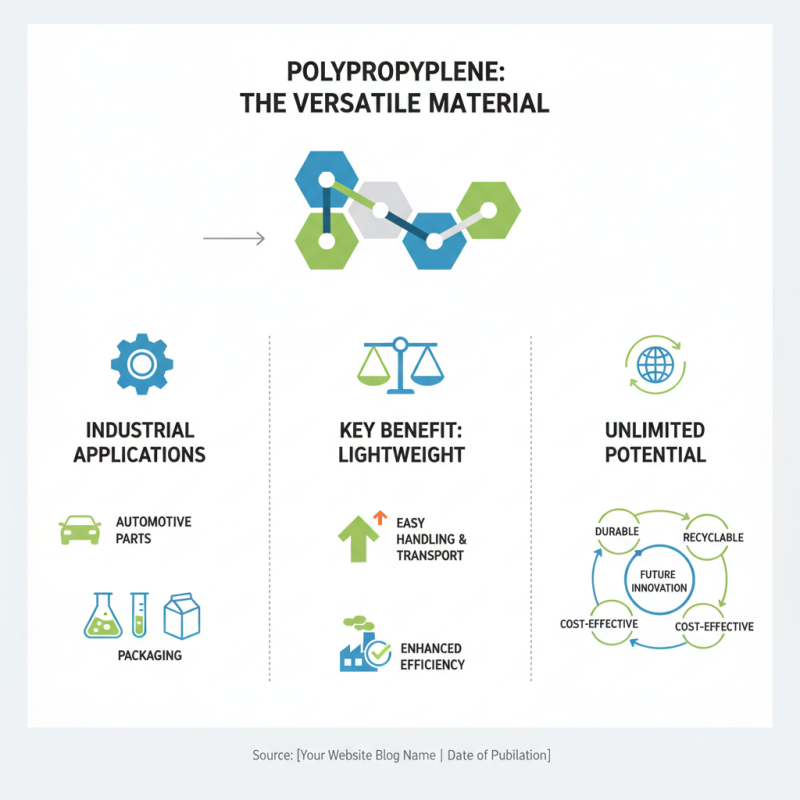
Polypropylene is a highly versatile material widely used in manufacturing. Its applications span numerous industries, making it an indispensable choice. From automotive parts to medical devices, its potential seems limitless. The lightweight nature of polypropylene allows for easy handling and transportation, enhancing efficiency in various manufacturing processes.

Different manufacturing methods utilize polypropylene in diverse ways. Injection molding allows for precise designs and shapes. This enhances the aesthetic appeal of products. Additionally, it can withstand a range of temperatures, making it suitable for both hot and cold environments. However, some manufacturers face challenges with the material’s recycling process. Finding effective ways to recycle polypropylene remains a concern.

The ability to create complex geometries is another significant advantage. Manufacturers can produce intricate designs that would be difficult with other materials. Yet, perfecting these techniques requires time and experimentation. Many factories still seek the ideal balance between cost and quality. Overall, the versatility of polypropylene in manufacturing offers both opportunities and challenges that deserve careful consideration.

Impact Resistance and Durability of Polypropylene Components

Polypropylene is a versatile thermoplastic, prized for its impressive impact resistance and durability. Components made from polypropylene can withstand significant stress and resist deformation. A recent study indicated that polypropylene has an impact strength of over 20 kJ/m², making it highly suitable for demanding applications. This ability to absorb energy without cracking is crucial in industries like automotive and consumer goods.

Moreover, polypropylene components offer longevity, often lasting for years without deterioration. They are resistant to many chemicals and can maintain their integrity in challenging environments. This resilience is evident in components used for outdoor applications, which face UV exposure and varying temperatures. However, it is important to note that while polypropylene performs well, it may not be suitable for high-heat applications. Temperatures exceeding 100°C can compromise its structural integrity.

Recycling polypropylene presents challenges. Although it's technically recyclable, the rate is low compared to other materials. Efforts to improve these processes are ongoing, yet the current state leaves much to be desired. As manufacturers look for sustainable options, enhancing recycling capabilities is vital. Despite its many strengths, the industry must address these lingering concerns around durability and recyclability to optimize the use of polypropylene in production.

Recyclability and Environmental Benefits of Polypropylene Molding

Polypropylene injection molding stands out for its recyclability and environmental benefits. According to the American Chemistry Council, over 90% of polypropylene can be recycled. This high recyclability rate allows for the recovery of materials, helping to reduce landfill waste. With proper collection and processing, recycled polypropylene can be transformed into new products. This process not only conserves resources but also decreases greenhouse gas emissions associated with manufacturing.

Moreover, polypropylene is lightweight yet robust. This characteristic contributes to less energy consumption during transportation. A report by the Plastics Industry Association indicates that lightweight materials can cut transportation emissions by 30%. However, there are challenges. The infrastructure for recycling polypropylene is not as developed as for other plastics. Many consumers and businesses still struggle to find suitable recycling options. This gap highlights the need for improved recycling systems and greater public awareness.

In addition, the environmental impact of polypropylene production raises questions. Manufacturing processes can lead to pollution without proper waste management. While polypropylene itself is recyclable, the journey from production to disposal can leave a significant eco-footprint. Awareness and action must evolve to match the production's environmental realities. Looking forward, industry collaboration is key to overcoming these challenges.