Top 10 Benefits of PVC Injection Molding for Your Manufacturing Needs?
In the fast-evolving world of manufacturing, PVC injection molding stands out for its efficiency and versatility. Industry expert Dr. Emily Richards, a leading voice in polymer engineering, once stated, "PVC injection molding offers unparalleled benefits that can transform production processes."
The advantages of PVC injection molding are numerous. It provides cost-effectiveness through reduced waste and faster production times. With the ability to create intricate shapes, it supports innovation in product design. Furthermore, its durability enhances the lifespan of products. Yet, manufacturers must remain aware of some challenges. The initial setup costs can be high, and quality control is crucial.
Ultimately, the right approach to PVC injection molding can lead to significant improvements. By understanding the balance between benefits and challenges, businesses can harness this technology effectively. A thoughtful strategy ensures that the strengths of PVC injection molding are maximized, paving the way for successful manufacturing outcomes.
Overview of PVC Injection Molding in Manufacturing
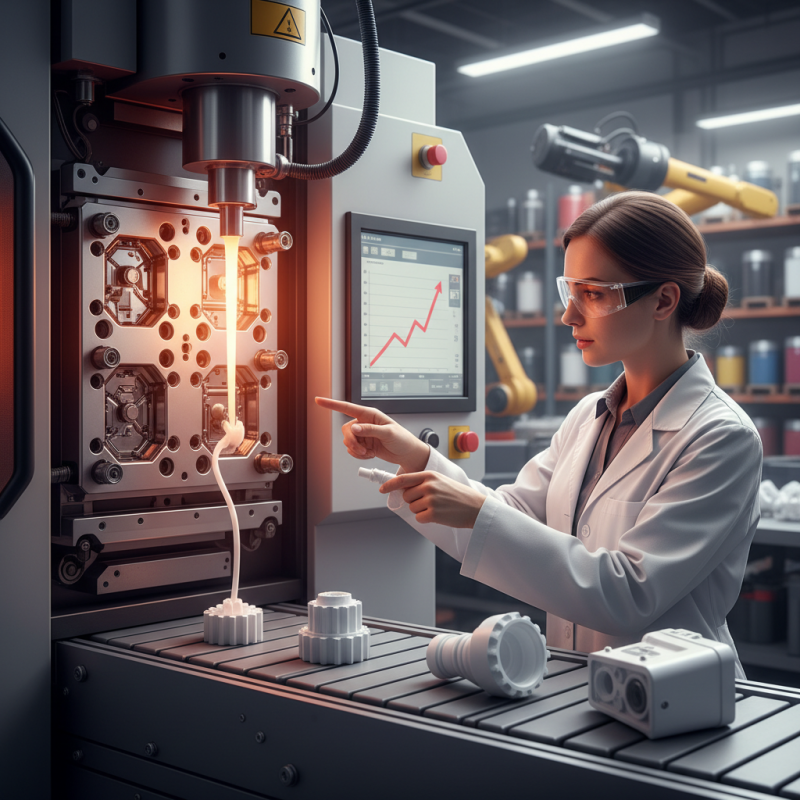
PVC injection molding is a widely used method in the manufacturing sector. Its versatility makes it suitable for various applications, from automotive parts to consumer products. Reports indicate that PVC's durability and resistance to environmental factors enhance product longevity. This is a significant advantage over other materials, which may degrade faster.
In terms of cost-efficiency, PVC injection molding offers competitive pricing. A study from the Plastics Industry Association shows that manufacturers can reduce production costs by up to 30% using PVC over alternatives. This fact attracts companies looking to optimize budgets.
However, reliance on PVC may raise sustainability concerns, especially regarding environmental impact in waste management.
The process also allows for intricate designs, ensuring high precision in production. According to a report by the American Society of Mechanical Engineers, PVC can achieve tolerances of ±0.005 inches. Yet, achieving such precision requires a well-calibrated injection molding machine and skilled operators. These aspects highlight the balance between technological advancements and the potential learning curve in workforce training.
Cost-Effectiveness of PVC Injection Molding Techniques
PVC injection molding is gaining attention in manufacturing for its cost-effectiveness. According to a recent report by Research and Markets, the global PVC market is projected to reach over $80 billion by 2027. This growth is driven largely by advancements in PVC injection molding techniques. The process offers reduced production costs through faster cycle times. With shorter timeframes, manufacturers can produce high volumes at lower labor costs, leading to impressive savings.
Moreover, the precision of PVC molding reduces material wastage. A study from the Society of Plastics Engineers shows that optimized designs can cut scrap rates by up to 30%. This attribute is essential for maintaining budgets in a competitive market. While some traditional methods may incur high material costs, PVC injection molding offers an attractive alternative. However, the initial setup costs and tooling can be a challenge for smaller manufacturers. Balancing these factors is crucial for successful implementation.
Overall, leveraging PVC injection molding ensures manufacturers can remain competitive while managing expenses. The technique supports efficient production lines and lowers overall operational costs. Embracing these practices can lead to financial stability and growth for many businesses.
Top 10 Benefits of PVC Injection Molding for Your Manufacturing Needs
| Benefit |
Description |
Cost Factor |
| High Efficiency |
Fast production rates ensure quick turnaround on projects. |
Reduced labor costs |
| Precision and Accuracy |
Provides tight tolerances and repeatable results for consistent quality. |
Minimized waste |
| Low Material Costs |
PVC is generally cheaper compared to other materials. |
Economical choice |
| Versatility |
Can be used for a wide range of products, from small parts to large items. |
Adaptable production costs |
| Durability |
PVC products are resistant to wear, chemicals, and environmental factors. |
Lower replacement costs |
| Reduced Lead Times |
Streamlined processes lead to faster production cycles. |
Improved cash flow |
| Low Energy Consumption |
PVC injection molding machines are often more energy-efficient. |
Cost-effective operation |
| Ease of Automation |
Injection molding processes can be easily automated. |
Lower labor costs |
| Design Flexibility |
Easily create complex shapes and designs with less effort. |
Reduced design costs |
| Sustainability |
Recyclable material options help meet environmental standards. |
Potential for cost savings through recycling |
Flexibility and Design Freedom Offered by PVC Materials
PVC materials are increasingly popular in manufacturing due to their flexibility and design freedom. They can be molded into various shapes and thicknesses, allowing designers to create intricate details and specific functionalities. According to a 2022 report from Plastics Technology Magazine, PVC offers a unique combination of durability and aesthetic appeal. This versatility fosters creativity in product development.
Manufacturers can take advantage of PVC's excellent processing properties. The injection molding process allows for rapid production and consistent quality. Data from the American Chemistry Council shows that PVC products account for approximately 14% of the global plastic market. This underscores the material's widespread adoption in sectors such as automotive, construction, and consumer goods. However, the challenge remains: not all manufacturers fully utilize the design potential that PVC offers.
It's important to recognize that while PVC provides many benefits, it may not always be the best choice. Some applications require alternative materials due to environmental concerns. Continuous innovation in bio-based plastics poses a challenge for PVC. Evaluating options carefully ensures that manufacturers make informed decisions. Balancing benefits with potential drawbacks is crucial in the ever-evolving landscape of manufacturing.
Durability and Longevity of PVC Products in Various Industries
PVC (polyvinyl chloride) is a highly durable material widely used across various industries. Its resistance to corrosion, chemicals, and moisture makes it ideal for products that need to withstand harsh conditions. Whether in construction, healthcare, or automotive sectors, PVC demonstrates remarkable longevity. This durability translates to lower replacement costs, making manufacturing more efficient.
To maximize the benefits of PVC products, consider these tips: ensure proper material selection for your specific application. Different formulations of PVC can provide varying levels of durability and flexibility. For example, some grades are better suited for outdoor environments, while others excel indoors. Assess your needs regularly, as usage conditions may change over time.
In addition, think about the manufacturing process. While PVC injection molding is efficient, imperfections can occur. Variations in temperature and pressure can affect the quality of the final product. Always monitor the molding parameters to ensure consistency and reliability. Regular audits of the production line can also identify potential issues early. Maintaining high-quality standards is essential for the longevity of PVC products.
Top 10 Benefits of PVC Injection Molding for Your Manufacturing Needs
Environmental Considerations in PVC Injection Molding Practices
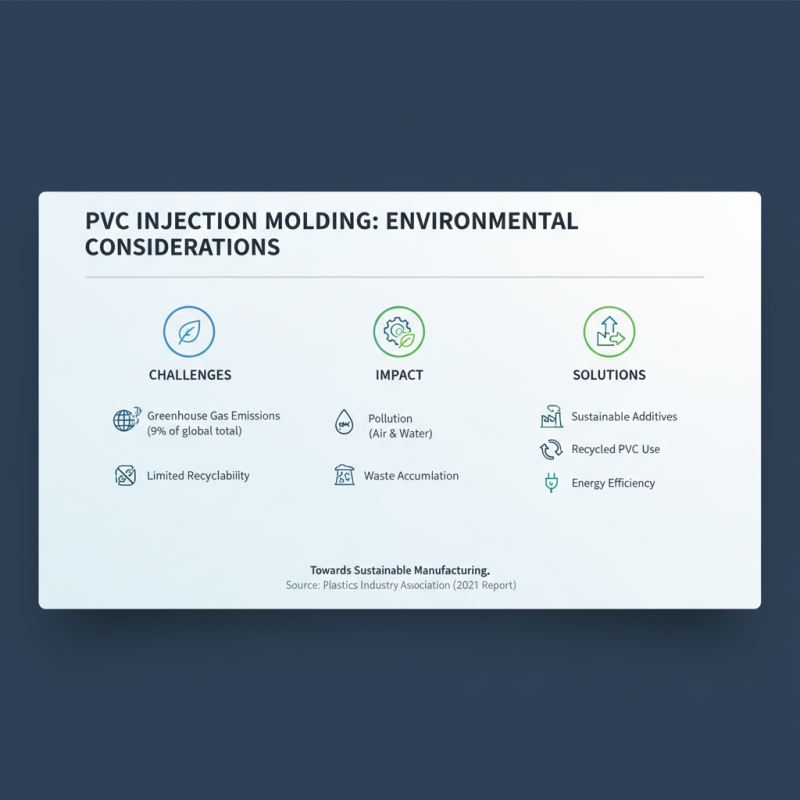
The environmental considerations in PVC injection molding are crucial for sustainable manufacturing. PVC, or polyvinyl chloride, is widely used due to its versatility and strong physical properties. However, concerns regarding its environmental impact remain significant. In a 2021 report by the Plastics Industry Association, it was noted that the plastic industry accounts for about 9% of global greenhouse gas emissions. This figure raises questions about the long-term viability of traditional PVC practices.
One area of concern in PVC injection molding is the management of waste. Approximately 30% of the raw material can end up as scrap during the production process. This raises issues of resource efficiency and emphasizes the need for recycling. Studies reveal that using recycled PVC can cut down emissions by up to 80%. Even so, the recycling rate for PVC stands at only 10% globally, indicating a gap in sustainable practices. Manufacturers are urged to adopt circular economy principles to minimize waste and reduce pollutive outputs.
While advancements are being made, some challenges persist. The toxicity associated with PVC production and disposal processes needs ongoing attention. Many industry reports indicate that harmful additives used in PVC can leach into the environment. Continuous research is essential to identify safer alternatives. This reflects a broader awareness of the ecological impact of manufacturing processes, urging companies to innovate responsibly.