
No Job is Too Big or Too Small!

Which Electric Block Machine Is Best in 2026?

Choosing the best Electric Block Machine in 2026 is not simply a matter of comparing advertised output. A machine must suit your block dimensions, daily production target, available floor space, and operator skills. The right choice should also deliver consistent density and clean edges, shift after shift. One cracked corner can mean wasted material, extra handling, and a slower delivery.

Industry data makes efficiency worth examining. The International Energy Agency estimates that cement production contributes about 7% of global energy-system CO₂ emissions. UNEP’s Global Status Report for Buildings and Construction reports that buildings and construction account for 37% of energy- and process-related CO₂ emissions worldwide. These figures describe the wider construction sector, not the footprint of any individual block machine. That distinction matters. A faster machine is not automatically a more resource-efficient one.

This guide compares machine types and practical buying criteria for 2026, including production capacity, automation, mould changes, maintenance access, and energy use. Ask suppliers for test results using the block mix and sizes you actually plan to produce. Check whether quoted output means ideal-cycle production or saleable blocks under routine operating conditions. Numbers need context. A careful choice can prevent costly surprises, though no specification sheet replaces a production trial.
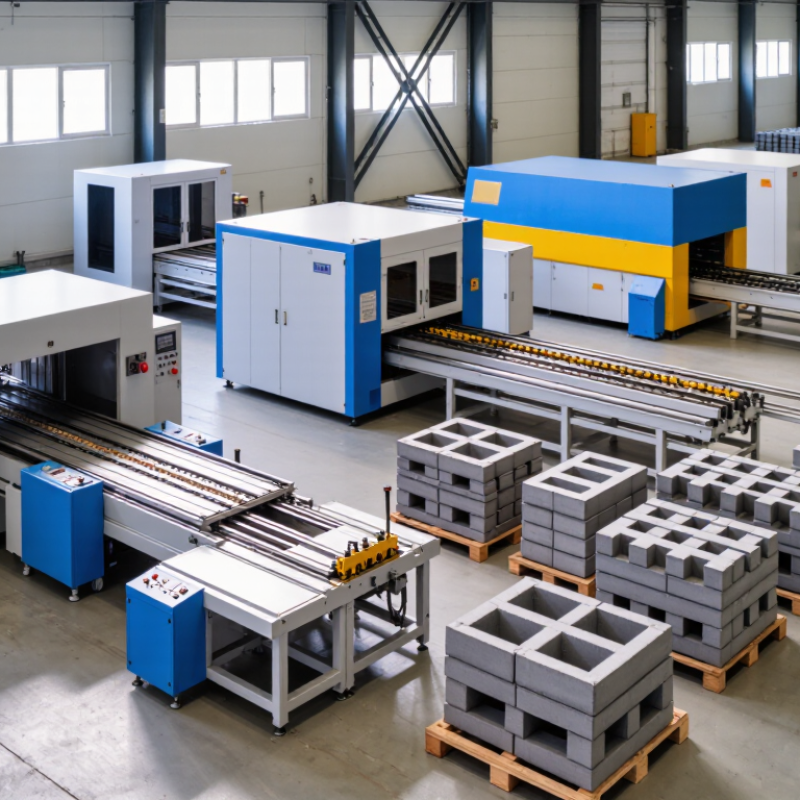
Which Electric Block Machine Is Best in 2026?

What Is an Electric Block Machine?

Which Electric Block Machine Is Best in 2026?

An electric block machine forms concrete blocks by pressing a measured mixture inside a shaped mold. An electric motor typically powers the vibration system and, in some designs, hydraulic components. Vibration helps settle the mix around the mold’s edges, while pressure gives the block its shape. The mold determines the unit’s dimensions and profile, so changing block types may require different molds. After pressing, the fresh block is released onto a pallet or production surface for curing.

It is not a printer. Mix consistency, moisture, and careful handling all affect the result.

When comparing machines, look beyond the advertised output per hour. Check the required power supply, mold-change process, pallet size, and space needed for safe material movement. Ask how production figures were measured; a steady demonstration may not reflect a full shift with routine pauses.

That matters.

A useful test is to inspect several blocks from a trial run: look for chipped corners, uneven faces, and consistent dimensions. Also consider who will operate and maintain the equipment, and whether replacement parts are readily available. A higher-capacity machine can be a poor fit if the site cannot supply enough prepared mix or storage space. Specs help, but they do not answer everything.

How Does an Electric Block Machine Produce Blocks?

Which Electric Block Machine Is Best in 2026?

An electric block machine transforms a measured concrete mix into uniform blocks through feeding, molding, compaction, and release. The exact setup varies, but the basic production steps are similar. The process starts with cement, aggregates, and water combined to a consistent texture. The mix should hold its shape when squeezed, without crumbling or leaking water. Too much water can weaken the finished block.

Once blended, the material enters a hopper and feeds into a mold. The operator checks that the mold is filled evenly. Electric motors power the machine’s vibration and, on some models, hydraulic systems that press the material into shape. Then comes compaction. Controlled vibration helps settle the mix and reduce voids, while pressure creates a dense form. Settings matter: excessive vibration or uneven filling can leave blocks inconsistent.

After compaction, the machine lifts the mold, leaving fresh blocks on a pallet. They need careful handling. The blocks are moved to a protected curing area, where moisture and time allow the cement to gain strength. Operators should follow the machine’s instructions and test sample blocks for dimensions and strength. A small change in aggregate moisture can affect the mix more than expected. That detail is easy to overlook. A machine may run smoothly, yet results still depend on preparation, adjustment, and consistent curing.

Which Electric Block Machine Is Best in 2026?

A machine’s suitability depends on the blocks you need, production capacity, automation level, and the quality of the finished units. Compressive strength is one useful quality benchmark. The chart shows the minimum net-area compressive-strength requirements in ASTM C90 for loadbearing concrete masonry units.

How does an electric block machine produce blocks? It meters and mixes concrete, feeds the mix into a mold, compacts it with vibration and pressure, then demolds the units for curing. The machine alone does not guarantee compliance: mix design, compaction, curing, and testing all affect the finished block. ASTM C90 strength limits shown here are 2,000 psi (13.8 MPa) for the average of three units and 1,800 psi (12.4 MPa) for an individual unit.

What Types of Electric Block Machines Are Available?

Electric block machines come in several configurations, and their differences affect output, labor, and floor space. Stationary machines stay in one production area and compact concrete in fixed molds using electric vibration, often paired with hydraulic pressure. They suit steady production where pallets can move along a planned route.

Mobile, or egg-laying, machines form blocks directly on a prepared floor, then move to the next spot. They reduce pallet handling, but the floor must be level and curing space must be managed carefully.

Automation varies too. A semi-automatic machine may vibrate and press blocks mechanically while workers feed material and move finished products. It can fit a smaller operation, though manual handling limits output. Fully automatic lines connect batching, molding, pallet movement, and stacking; they need more space and consistent material supply.

Small compact machines are available for low-volume work, but their daily capacity is often overstated in sales estimates. Check it against the block size, mix, and actual shifts.

Small details matter. A damp mix may stick in the mold, while weak vibration can leave rough edges or uneven density. Request a production trial with your own mix, and inspect sample blocks after curing.

The right type depends on the products, crew, and available space—not electricity alone.

How Should Electric Block Machines Be Compared in 2026?

In 2026, comparing electric block machines starts with the blocks you actually need to make. A machine rated for high output may perform poorly when your products require frequent mold changes. Compare daily production using the same block size, mix, and curing conditions. Ask for cycle-time records, not just a headline capacity figure. Real shifts vary.

Check how consistently the machine fills and compacts each mold. Inspect sample blocks for chipped edges, uneven faces, and size variation. A few rejects per pallet can quietly erase the savings of faster production. If possible, observe a full production run, including setup and cleanup. A brief demonstration can hide the awkward parts.

Power use, maintenance access, and operator training matter just as much as speed. Review the electrical requirements and identify parts that wear under regular vibration. Can one worker safely reach the control panel and clean around the mold? Ask how long routine adjustments take, then compare that answer with what you observe. I still find maintenance time easy to underestimate. It is not glamorous, but downtime is real. Finally, compare warranty terms, technical support, and spare-part availability in writing. The best choice depends on your products, crew, and production schedule—not a single specification.

Which Electric Block Machine Is Best in 2026? — How Should Electric Block Machines Be Compared in 2026?

The figures below are indicative planning ranges, not guaranteed output. Actual performance depends on block size and design, mix consistency, mold changes, operator experience, material handling, and the length of the production shift.

Comparison Factor Compact Semi-Automatic Mid-Range Automatic High-Output Automatic
Typical operation Electric vibration and hydraulic pressing; some material handling and pallet movement are manual. Automated pressing and vibration with powered pallet feeding or product handling; operators oversee the line. Integrated production line with automated feeding, pressing, pallet circulation, and product handling.
Indicative output per 8-hour shift About 500–1,500 standard concrete blocks. About 2,000–5,000 standard concrete blocks. About 5,000–10,000 standard concrete blocks.
Installed electrical power Often around 5–15 kW. Often around 15–40 kW. Often around 40–100 kW or more for a complete line.
Typical staffing Usually 3–5 people, including material handling and product removal. Usually 4–7 people for machine operation, material supply, and handling. Often 5–10 people across the line, depending on how much handling is automated.
Space and site needs Lower space requirement; needs room for the machine, raw materials, pallets, and curing products. Moderate space requirement; requires a planned flow between batching, molding, and curing areas. Largest space requirement; needs room for the production line, pallet circulation, storage, and curing.
Product flexibility Can make different products with compatible molds; changeovers may require more manual work. Supports multiple compatible molds, with moderate setup and changeover requirements. Can support a broad product range, but mold changes and line adjustments may require more planning.
Main advantages Lower entry-level complexity, simpler operation, and a practical fit for modest production needs. Balances output, automation, staffing, and investment for a growing operation. High throughput and reduced manual handling when the plant has sufficient demand and infrastructure.
Main trade-offs More manual handling can limit output and increase dependence on operator consistency. Requires more floor space, maintenance capability, and coordination than a compact setup. Higher investment and operating complexity; downtime or insufficient demand can leave capacity unused.
Best suited to Small producers, new operations, or sites with limited space and moderate demand. Established producers seeking a practical step up in output and process consistency. Large producers with steady orders, reliable utilities, trained maintenance staff, and room for a full line.
Best choice in 2026 Choose this type when affordability, simpler operation, and flexibility matter most. A strong all-round choice for many growing producers: it offers meaningful automation without requiring the scale of a high-output line. Choose this type when confirmed demand and available site infrastructure can justify the higher capacity.
What to verify before purchase Request a production trial using the intended block design and mix. Confirm rated output and power supply, mold compatibility, included equipment, pallet requirements, safety features, service support, spare-parts availability, and the space needed for curing and product handling.

Which Electric Block Machine Best Fits Each Production Need?

Which Electric Block Machine Is Best in 2026?
Which Electric Block Machine Best Fits Each Production Need?

The best electric block machine in 2026 depends less on headline output than on the work it must repeat each day. A small yard making standard hollow blocks may value a compact machine, simple controls, and quick mold changes. Keep it practical. A large plant supplying several sizes needs higher cycle capacity, reliable feeding, and enough curing space to avoid a finished-block bottleneck.

Match the machine to block dimensions, daily order volume, and available electrical supply. Ask for measured output using your mix and mold, not just a catalogue estimate. That detail matters. Watch a full production cycle: aggregate feeding, vibration, demolding, pallet handling, and cleanup. If operators constantly adjust settings to keep edges sharp, advertised speed may not translate into saleable blocks.

Limited space favors a compact line, but allow room for materials, pallets, and safe movement. For frequent mold changes, check changeover time and spare-part access before comparing prices. A steady machine with modest output can outperform a faster unit that often stands idle. Still, no checklist replaces a site trial. Record rejected blocks, power use, labor needs, and maintenance over several shifts; one quiet test run can flatter the results.