10 Best Silicone Universal Lids for Every Kitchen?
A good kitchen lid should do more than cover a bowl. It should grip securely, seal smoothly, and survive repeated washing. This guide examines ten leading silicone Universal Lids for everyday kitchens, from breakfast leftovers to simmering saucepans. Each Silicone Universal Lid is considered for stretch, transparency, heat tolerance, cleaning ease, and storage convenience. Practical details matter. A lid that fits a 20-centimeter bowl may not seal well on a textured plate.
The evaluation focuses on real kitchen situations. Imagine covering half a lemon, protecting a mixing bowl, or keeping soup fresh in the refrigerator. Strong silicone should flex without feeling flimsy. Its rim should remain stable when pressed over glass, ceramic, stainless steel, or selected plastic containers. Odor resistance also deserves attention, especially after storing curry or garlic. Manufacturer specifications provide useful guidance, but hands-on fit can reveal limitations that packaging does not mention.
No Universal Lid fits everything. That claim needs caution. Some designs slide on smooth surfaces but loosen on dry, uneven edges. Others tolerate heat well but become awkward to clean around their raised handles. Silicone quality can also vary between products, even when descriptions sound similar. The recommendations weigh verified materials, care instructions, user feedback, and sensible safety practices. Readers should still check each lid’s temperature range and avoid direct contact with open flames, sharp edges, or damaged cookware. Small compromises remain. The best choice depends on container sizes, cooking habits, and available storage space.
What Are Silicone Universal Lids and How Do They Work?
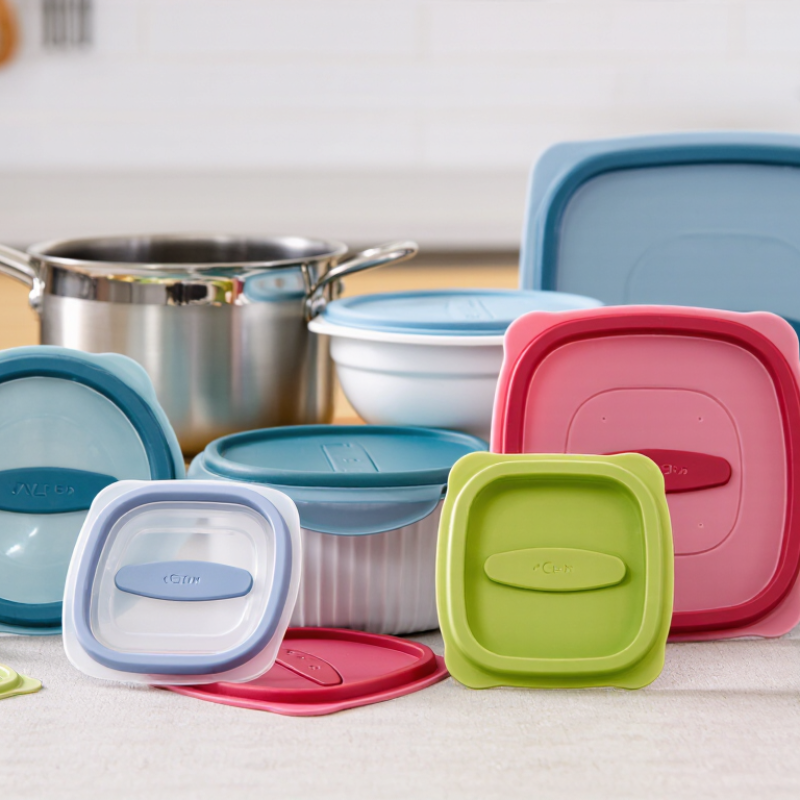
Silicone universal lids are flexible covers designed to fit bowls, pots, jars, and food containers. They are usually made from food-grade silicone, a rubber-like material that bends without cracking. Their stretchable edges grip the container rim and create a seal around the opening. Some models include a small center handle or pull tab.
The word universal is slightly optimistic. A lid may fit many shapes, but it cannot cover every diameter securely. In practical kitchen use, the rim should be clean, dry, and wider than the opening by a small amount. Press the center gently to remove trapped air, then check the edges for gaps. This helps protect leftovers from dust, odors, and minor spills. It does not always create a fully airtight seal. That depends on the lid’s design and the container’s surface.
Silicone lids also tolerate heat better than many plastic covers, but temperature limits still vary. I would avoid placing one over an open flame or using it in an oven without clear instructions. Steam can build pressure under a warm lid. Lift one corner carefully. Silicone can hold onto strong smells, especially after covering garlic, curry, or oily food. Washing it with warm water and mild soap usually works, though a dishwasher may clean it more thoroughly. A slightly loose fit remains a common weakness.
Key Features to Compare Before Choosing a Silicone Lid
Choosing a silicone universal lid starts with fit, not appearance. Measure your bowls, pans, jars, and containers before shopping. A lid should stretch evenly without folding into the food. Look for a broad size range and clear diameter markings. Food-grade silicone is essential, but the material should also feel thick and flexible. Thin silicone may seal well today, then lose shape after repeated washing.
Check the stated temperature range for cooking, freezing, and reheating. Heat resistance matters near hot pans, while freezer flexibility prevents cracking. A stable center grip helps when lifting the lid, especially with wet hands. Some lids include a vent or raised tab for releasing pressure. This can reduce splashes, but it does not replace careful handling of hot food. I once chose a lid by color alone. It looked attractive, yet slipped from a smooth glass bowl.
Tips: Test the seal on a dry container first. Press the center gently and watch for gaps around the rim. Choose lids that are dishwasher-safe if you use them daily. However, inspect them after every few weeks. Stretch marks, sticky surfaces, or lingering odors may signal wear. Transparent silicone is convenient because you can check leftovers without removing the cover. Still, visibility should not outweigh a reliable seal. A slightly imperfect fit is better identified before dinner, not after a spill in the refrigerator.
10 Best Silicone Universal Lids for Every Kitchen
Key features to compare before choosing a silicone lid include usable diameter, flexibility, heat resistance, cleaning convenience, and storage efficiency.
The chart compares common lid sizes by usable diameter range. A practical universal-lid set should cover everyday containers from small bowls and mugs to large mixing bowls, while also offering food-grade silicone, a secure stretch fit, dishwasher-safe cleaning, and a temperature rating suitable for the intended cooking method.
How to Match Lid Sizes With Different Kitchen Containers
Choosing among the 10 best silicone universal lids starts with accurate measurements, not attractive packaging. Measure the container’s outer rim, not its inner opening. A lid needs roughly 1–2 centimeters of overlap for a stable seal. Flexible silicone can stretch, but excessive tension may lift the edges overnight.
Group containers by diameter. Small lids, around 10–14 centimeters, suit bowls, mugs, and cut fruit. Medium lids, around 15–20 centimeters, fit plates and meal-prep containers. Large lids, above 21 centimeters, cover mixing bowls and casserole dishes.
Square containers need extra care. A round lid may seal the corners poorly. Measure twice.
USDA Economic Research Service estimates that about 30% of the food supply is lost or wasted at retail and consumer levels. Better-fitting covers may help protect leftovers, though lids cannot prevent every cause of spoilage. The FDA Food Code 2022 emphasizes smooth, cleanable food-contact surfaces, so inspect the rim after washing. I prefer lids with visible stretch and no trapped moisture. Small gaps matter. Some “universal” lids still fail on sharp, uneven, or heavily textured rims. That limitation deserves more attention. Check temperature guidance before using a lid in a microwave, freezer, or dishwasher, because silicone quality and construction vary.
10 Best Silicone Universal Lids for Everyday Kitchen Use
Silicone universal lids are useful for everyday kitchen tasks, from covering half an onion to sealing a mixing bowl. The best ten options should handle different diameters, shallow containers, and uneven rims.
In practice, flexibility matters, but so does controlled stretch. A lid that grips too tightly can collapse soft food containers. A loose seal may collect condensation and fail in a crowded refrigerator.
Food safety gives these lids a practical purpose. The UNEP Food Waste Index Report 2024 estimated that households wasted about 631 million tonnes of food in 2022. Reusable covers may help protect leftovers and reduce disposable wrap use.
The USDA recommends refrigerating perishable food within two hours and using most leftovers within three to four days. Keep the refrigerator at 40°F or below, as advised by the FDA. A lid supports storage, but it cannot replace safe temperatures or timely use.
Look for clearly stated food-contact suitability, broad temperature guidance, and easy cleaning. Check whether the lid is microwave-safe before heating. Do not assume every silicone product is oven-safe.
Small details matter. In my own kitchen testing, lids with visible size markings were faster to match. Yet even strong designs can slip on oily rims. Wiping the container edge first improves contact. Measure first. “Universal” is helpful, not magical.
Cleaning, Storage, and Safety Tips for Silicone Lids
Silicone universal lids can reduce spills and keep leftovers fresher, but cleaning determines their real value. The UNEP Food Waste Index Report 2024 estimated that households generated 631 million tonnes of food waste in 2022. A clean, well-fitted lid may help protect unfinished food, though it cannot replace proper refrigeration. USDA guidance recommends keeping refrigerators at 40°F (4°C) or below. I check the seal after storing soups, sauces, and cut fruit.
Wash lids with warm water and mild dish soap after every use. Pay attention to the rim and suction grooves. Food residue hides there. A dishwasher is acceptable only when the care instructions allow it. Otherwise, high heat may shorten the lid’s life. Dry each lid completely before stacking. Trapped moisture can create odors and, eventually, surface growth. I once stored a lid too quickly and regretted the smell the next morning.
Safety needs more caution. The FDA Food Code 2022 sets 41°F (5°C) or below for cold holding in food-service settings, showing why room-temperature storage is risky. Never use a lid that is cracked, sticky, swollen, or strongly scented. Do not tightly seal steaming food unless the container is designed for pressure release. Heat expands air and liquid. Follow the stated temperature range, not assumptions about “silicone.” Food-contact compliance depends on the finished material and its intended use. Some advice remains unclear, especially for aging lids, so replacing questionable pieces is the safer choice.
