2026 Best Uses of Polyvinyl Chloride in Everyday Life?
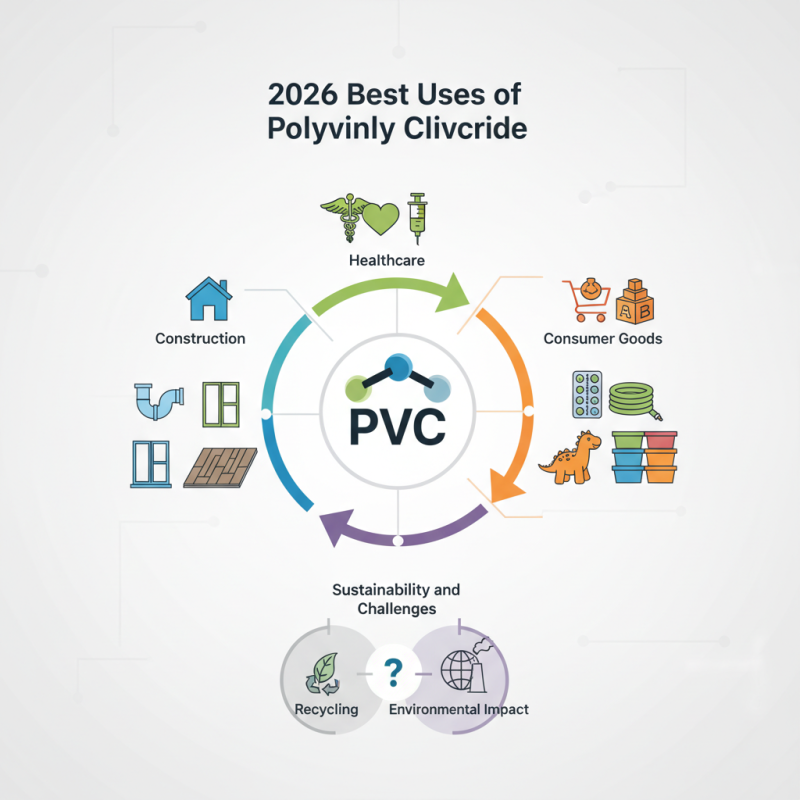
Polyvinyl chloride (PVC) is a versatile material widely used in various aspects of our daily lives. According to a 2022 industry report, the global polyvinyl chloride market is projected to exceed $65 billion by 2026. This growth highlights its significance in sectors such as construction, healthcare, and consumer goods.
PVC is renowned for its durability and adaptability. In construction, it is commonly used for pipes, windows, and flooring. Healthcare facilities utilize polyvinyl chloride for medical devices and packaging, ensuring safety and hygiene. Moreover, the consumer goods market benefits from PVC's lightweight and cost-effective nature, especially in toys and household items.
However, the environmental impact of PVC production and disposal raises important questions. While it offers numerous benefits, we must consider its sustainability. Innovative solutions and recycling methods are essential to minimize PVC's ecological footprint. As we explore the best uses of polyvinyl chloride in everyday life, examining both its advantages and challenges becomes crucial.
Innovative Applications of Polyvinyl Chloride in Home Construction
Polyvinyl Chloride, or PVC, has a significant role in home construction. It is a versatile material, commonly used for pipes, flooring, and siding. PVC pipes are durable and resistant to corrosion, making them ideal for plumbing. They can last for decades, reducing the need for constant replacements. However, installation requires care. Improper handling can lead to leaks over time.
In flooring, PVC offers a range of designs. From wood-like finishes to colorful tiles, it mimics various materials. This versatility allows homeowners to achieve desired aesthetics without spending a fortune. Yet, some cheaper options may wear down quickly, raising concerns about longevity. Choosing quality products is vital to avoid frequent repairs.
PVC is also making waves in insulation. It helps improve energy efficiency by reducing heat transfer. This application is promising but not without its issues. Some installations may not meet performance expectations if done incorrectly. Homeowners should seek professional advice to ensure proper use in insulation projects.
2026 Best Uses of Polyvinyl Chloride in Everyday Life
| Application |
Description |
Advantages |
Environmental Impact |
| Pipes and Fittings |
Used for plumbing, drainage, and irrigation systems. |
Durable, corrosion-resistant, lightweight. |
Recyclable and can reduce water loss. |
| Window Frames |
Non-corrosive frames ideal for insulation. |
Energy-efficient, low maintenance. |
Long lifespan minimizes waste. |
| Flooring |
Durable and versatile for residential and commercial uses. |
Resistant to stains and scratches. |
Can be made from recycled materials. |
| Wall Coverings |
Used for protective wall panels in various settings. |
Easy to clean and maintain, available in various designs. |
Long-term use reduces need for frequent replacements. |
| Electrical Insulation |
Used in wiring and cable insulation. |
Excellent electrical resistance and safety performance. |
Non-toxic and commonly recycled after use. |
Versatile Uses of PVC in Electrical Wiring and Insulation
Polyvinyl Chloride (PVC) is a common material in electrical wiring and insulation. Its lightweight nature makes it an ideal choice for various applications. According to a 2021 industry report, PVC accounts for nearly 40% of the global insulation market. This reveals its vital role in electrical safety and efficiency.
PVC's resistance to heat and flame is another key advantage. It can withstand high temperatures without melting. This property helps prevent electrical hazards. Moreover, PVC's insulating capabilities prevent energy loss. Efficiency is critical in modern electrical systems. In fact, energy loss in poorly insulated wires can reach up to 30%.
Tips: Always use PVC with a recognized safety standard. Check for any damage before installation. Safe handling protects both you and the environment. Every small oversight can lead to significant issues. Stay informed about the materials you use.
The environmental implications of PVC are complex. While PVC is recyclable, not all products are made from recycled material. This raises questions about sustainability. There are alternative materials available, but often at a higher cost. Balancing budget with safety can be challenging for many projects.
2026 Best Uses of Polyvinyl Chloride (PVC) in Everyday Life
Polyvinyl Chloride in Everyday Consumer Products and Packaging
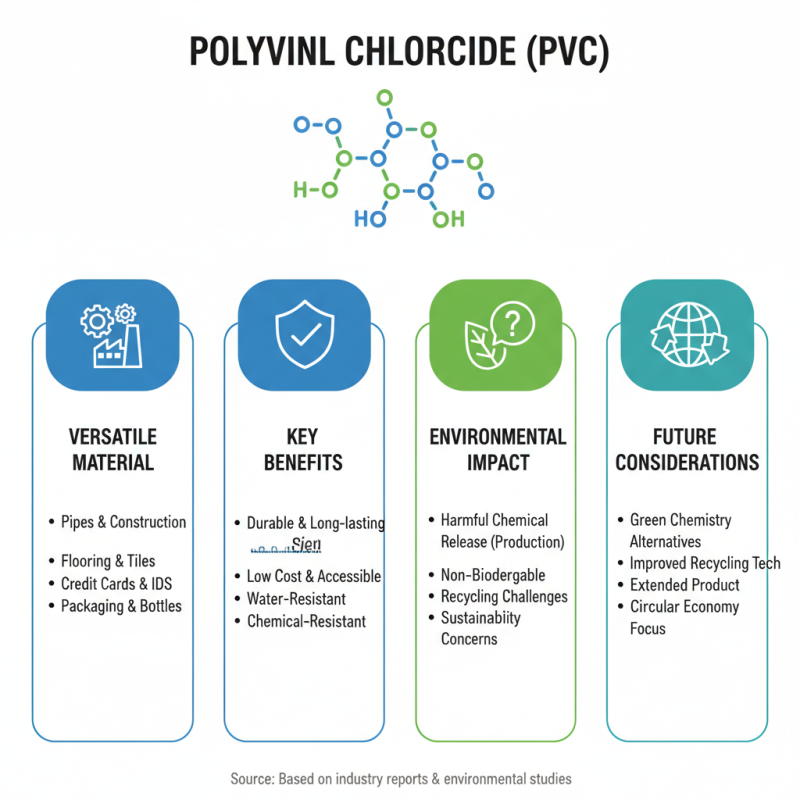
Polyvinyl Chloride, or PVC, is a versatile material found in many consumer products and packaging. You might find it in everyday items like pipes, flooring, and even credit cards. PVC’s durability and low cost make it a popular choice for manufacturers. However, it’s important to consider its environmental impact. The production of PVC can release harmful chemicals, raising concerns about sustainability.
In packaging, PVC is often used for food wraps and containers. Its flexibility allows it to securely seal products while providing visibility. But not all PVC is recyclable. This creates waste that can linger in landfills for years. This contradiction challenges us to think critically about the convenience PVC offers versus its long-term effects on the environment.
Despite these drawbacks, PVC plays a crucial role in keeping our products safe and fresh. Many consumers may not realize its presence in various items. While it serves practical purposes, reflecting on our dependence on this material is essential. Striking a balance between utility and environmental responsibility remains a constant challenge.
Sustainable Practices: Recycling and Reusing PVC Materials
Polyvinyl Chloride, or PVC, is a versatile material. Its use in everyday life is growing, but so is the need for sustainability. Recycling and reusing PVC materials can significantly reduce waste. Many items made from PVC can be repurposed. Consider old PVC pipes. Instead of throwing them away, they can become unique garden decorations. Creative minds can turn waste into art.
Recycling PVC is not always straightforward. It often requires specialized processes that not all recycling centers offer. This creates a challenge for consumers wanting to act sustainably. It is important to look for local programs. Some community initiatives accept PVC items. They can properly process them for reuse.
Another option is upcycling. Old PVC products can find a new life. Think of a worn-out PVC bag transformed into a stylish wallet. Simple ideas can help close the loop on plastic waste. However, awareness is key. Many people still view PVC as disposable. Educating ourselves and others can shift this mindset. Every small action contributes to a healthier environment.
Health and Safety Considerations in PVC Usage for Daily Life
Polyvinyl Chloride (PVC) is widely used in various everyday applications. However, health and safety issues are essential to consider. Studies reveal that certain additives in PVC can pose risks. For example, phthalates, often used as plasticizers, may lead to endocrine disruption. The American Academy of Pediatrics emphasizes that these chemicals can adversely affect children's health.
PVC products are everywhere—from pipes to toys and even flooring. In 2021, research showed that over 55% of PVC used in toys contained phthalates. Safety guidelines suggest minimizing exposure, especially for vulnerable populations like infants. Without proper regulation, consumers may unknowingly use hazardous items in their homes.
Awareness is growing about the environmental impacts too. PVC production releases harmful substances. The U.S. Environmental Protection Agency has identified dioxins as a concern, as they can accumulate in the food chain. Manufacturers face challenges in developing safer alternatives while maintaining cost-effectiveness. More research is vital to ensure PVC's safety in everyday life and address these ongoing concerns.