No Job is Too Big or Too Small!

Best Uses of PP Plastic in Everyday Life?

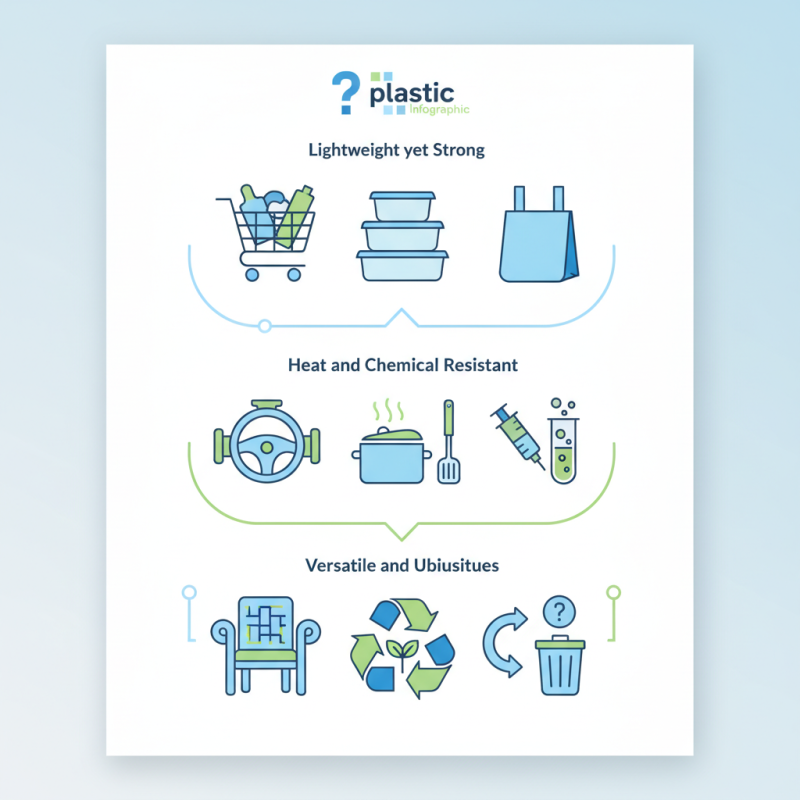
PP plastic, or polypropylene, is a versatile material used in countless everyday items. Its unique properties make it a popular choice for various applications. For instance, PP plastic is lightweight yet strong, making it ideal for packaging and containers. We often encounter it in grocery bags, food containers, and everyday consumer products.

Moreover, PP plastic is resistant to heat and chemicals. This quality allows it to be used in automotive parts, kitchenware, and medical supplies. However, as we embrace its benefits, we must also reflect on its environmental impact. While PP plastic can be recycled, improper disposal remains a concern. Striking a balance between usage and sustainability is essential as we navigate its role in daily life.

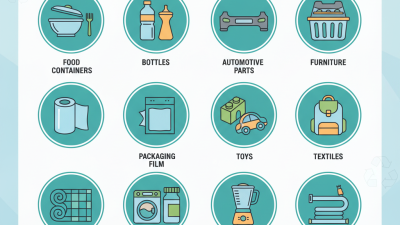
The best uses of PP plastic illustrate how seamlessly it integrates into our routines. From furniture to textiles, it is present in surprising places. Recognizing these details can enhance our appreciation for this extraordinary material. But we should also consider our choices and their consequences.
Best Uses of PP Plastic in Everyday Life?

Best Uses of PP Plastic in Everyday Life: An Overview

PP plastic, known as polypropylene, plays a significant role in our daily lives. It's lightweight yet durable. According to a report by Grand View Research, the global polypropylene market is expected to reach $200 billion by 2025. This reflects the material's growing popularity in various applications.

One common use of PP plastic is in food containers. These containers are microwave-safe and are often used for meal prep. They help reduce food waste and are generally recyclable. However, there’s a downside. Many consumers still throw them in the trash instead of recycling them. This behavior contributes to plastic pollution. It's essential to remind ourselves about proper disposal methods.

Another notable application is in automotive parts. PP plastic is valued for its resistance to chemicals and temperatures. A study from Plastics News reported that the automotive industry consumes about 30% of the total polypropylene produced. While lighter cars help improve fuel efficiency, achieving a circular economy in this sector remains a challenge. The lack of recycling facilities for automotive plastics raises concerns about sustainability.
Understanding Polypropylene: Properties and Benefits

Polypropylene (PP) is a versatile plastic widely used in daily life. It is popular due to its exceptional properties. For instance, PP boasts a high melting point of around 160°C. This feature allows it to be used in microwave-safe containers. Furthermore, it has excellent resistance to moisture and chemicals. Studies show that over 30 million tons of polypropylene are produced annually for consumer goods.

The benefits of PP extend to its recyclability. Approximately 1.5 million tons of PP are recycled each year, contributing to a healthier environment. It is lightweight yet durable, making it an ideal choice for packaging materials. Many everyday items, such as food containers and carpets, utilize polypropylene. Yet, challenges exist in increasing the recycling rates of this plastic.

Despite its numerous advantages, some drawbacks warrant attention. The production process of PP can generate harmful emissions. Most consumers are unaware of proper disposal methods. Increased public education is necessary to improve recycling efforts. Collectively, these factors highlight the importance of understanding polypropylene's impact on our environment.

Best Uses of PP Plastic in Everyday Life

Common Household Items Made from PP Plastic

Best Uses of PP Plastic in Everyday Life?

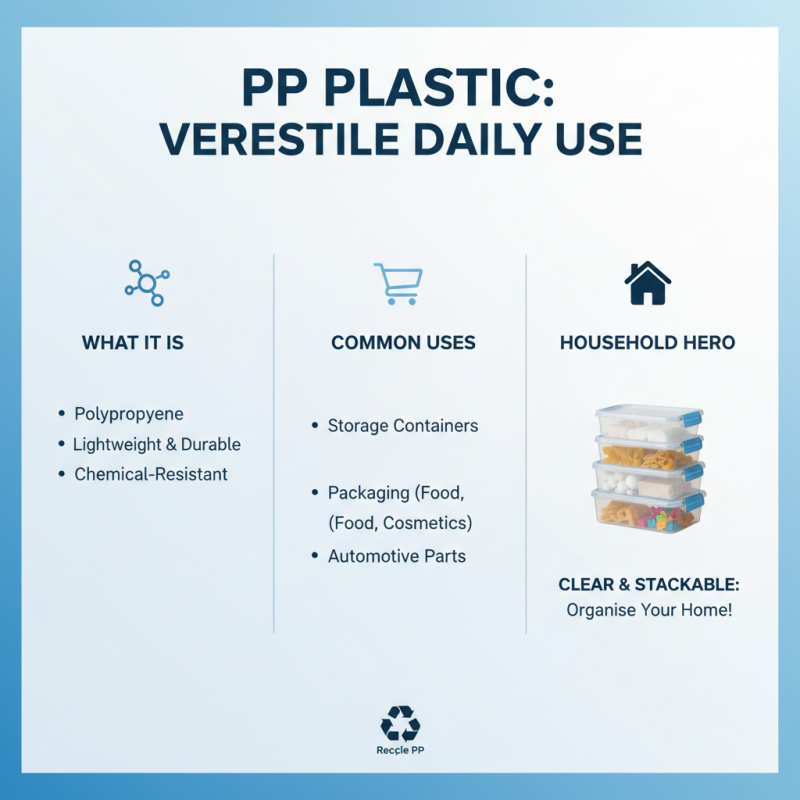
PP plastic, or polypropylene, is widely used in our daily lives. It's lightweight, durable, and resistant to chemical reactions. Many household items are made from this versatile material. For instance, storage containers are often crafted from PP plastic. They come in various sizes, perfect for organizing your kitchen or bathroom. These containers are typically clear, allowing easy visibility of contents. They can stack neatly, saving you space.

Another common use of PP plastic is in food packaging. Many food containers, like those for leftovers, use this material. It helps preserve freshness while being microwave-safe. This convenience makes heating up meals simple. However, not all PP items are recyclable. It’s essential to check local recycling guidelines.

Additionally, many kitchen utensils are made from polypropylene. Items such as measuring cups and cutting boards are durable and easy to clean. These tools often come in vibrant colors, bringing life to your kitchen. However, some of these products can scratch easily, which may compromise their longevity. It's crucial to handle them with care.

PP Plastic in Packaging: Efficiency and Sustainability

PP plastic, or polypropylene, is a versatile material widely used in packaging. Its lightweight nature makes it ideal for various applications. From food containers to bottles, PP plastic is everywhere. It protects products effectively while being cost-efficient for manufacturers. This makes it a favorite in the packaging industry.

Sustainability is a growing concern. While PP plastic can be recycled, its actual recycling rates are modest. Many people are unaware of how to dispose of it properly. Proper education on disposal methods is crucial for reducing waste. Innovations in biodegradable alternatives are promising, but they still need further development.

Despite its advantages, the environmental impact should be considered. Like many plastics, production can harm ecosystems. Efforts to improve sustainability practices are essential. Businesses and consumers must work together to promote better habits and reduce plastic waste in our daily lives.

Best Uses of PP Plastic in Everyday Life

Use Case Description Benefits
Food Packaging Used for containers, bottles, and films. Lightweight, moisture-resistant, and recyclable.
Textiles Incorporated in clothing, carpets, and upholstery. Durable, colorfast, and easy to wash.
Automotive Parts Manufactured for dashboards, interiors, and containers. Lightweight, strong, and offers design flexibility.
Household Items Used in storage bins, kitchenware, and pros. Affordable, versatile, and easy to clean.
Medical Supplies Found in syringes, IV bags, and containers. Non-toxic, sterile, and cost-effective for mass production.

Innovative Applications of PP Plastic in Healthcare and Industry

Polypropylene (PP) plastic has become a key material in healthcare and industry. Its properties make it highly versatile. According to a report from the Plastics Industry Association, PP plastic comprises about 25% of total plastic usage in the sector. This number highlights its importance.

In healthcare, PP plastic is widely used for medical supplies. Syringes, surgical instruments, and containers often utilize this material. It is favored for its chemical resistance and durability. Recent studies show that using PP in the medical field can reduce the risk of contamination. That’s crucial for patient safety. However, there are concerns. The production of PP can result in environmental challenges. Tackling these issues remains a work in progress.

In industry, PP plastic serves in packaging and automotive parts. Approximately 18% of PP is used in packaging, delivering both light weight and strength. This efficiency helps reduce costs and waste. Yet, the recyclability of PP is often questioned. Recycling rates are lower than for other plastics. Improving these rates must be a priority as more companies adopt PP plastic. The balance between innovation and environmental responsibility is a crucial challenge for the future.