China Best Injection Molding Small Parts Manufacturer?
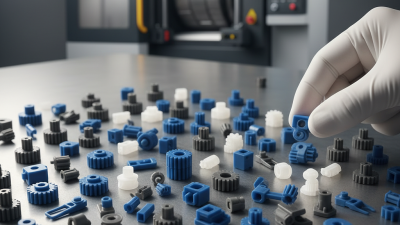
Choosing the China best injection molding small parts manufacturer requires more than comparing unit prices. The “best” supplier depends on tolerance, resin, annual volume, tooling life, and inspection discipline. A 0.3-gram medical connector may need cleaner molding than a larger automotive clip. Small defects become serious when walls measure only 0.4 millimeters.
The market is substantial. Grand View Research reports that the global injection molded plastics market was valued at approximately $387.38 billion in 2023. It also expects continued growth through 2030. China remains a major manufacturing base, supported by dense supplier networks, skilled moldmakers, and strong export infrastructure. However, market size does not prove individual capability. That point is easy to overlook.
John Bozzelli, a recognized scientific-molding consultant and founder of Injection Mold Consulting, has stated, “Scientific molding is a method of developing a process based on data, not on guesswork.” His principle matters for injection molding small parts. A reliable manufacturer should document mold-flow decisions, drying conditions, cavity balance, first-article results, and dimensional capability. ISO 9001 certification helps, but it cannot replace process evidence.
Look for measurable experience. Ask for Cpk data, resin traceability, mold-maintenance records, and sample parts from comparable geometries. Check whether the supplier controls flash around ejector pins and gates. Tiny flash can stop an assembly line.
Price still matters. It should not lead.
Even experienced buyers can choose poorly when communication is vague. A stronger evaluation combines engineering review, factory audits, transparent sampling, and realistic production trials. China offers excellent manufacturers, but “best” must be proven against your drawings, materials, and inspection requirements.
What Makes a China-Based Injection Molding Small Parts Manufacturer the Best?
What Makes a China-Based Injection Molding Small Parts Manufacturer the Best?
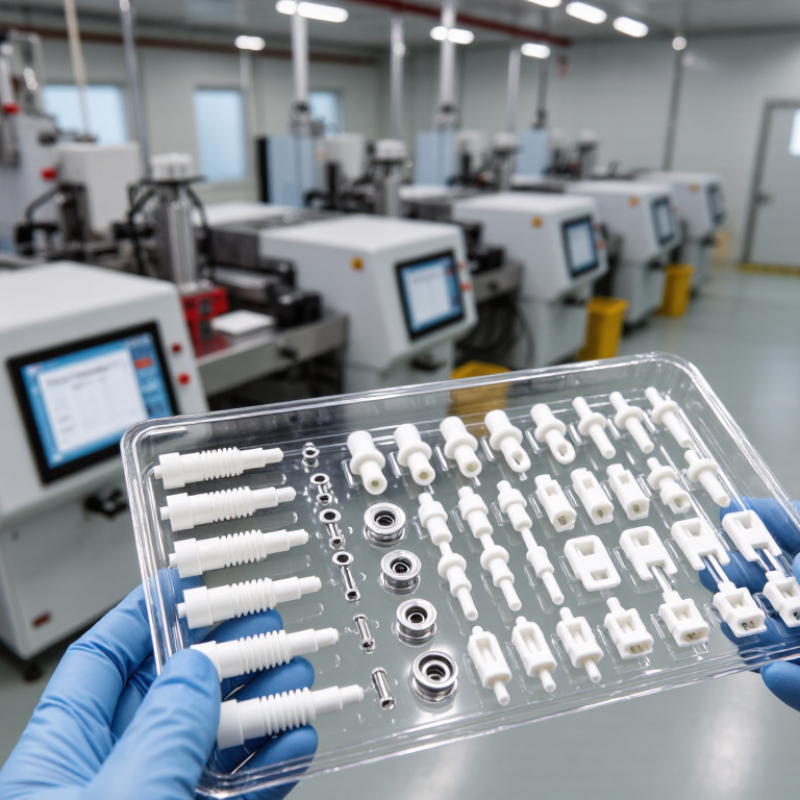
The best manufacturer combines stable molding, practical engineering, and clear communication. Small parts often reveal weaknesses quickly. A thin clip may warp, a tiny gear may show flash, and a connector housing may fail during assembly. An experienced supplier checks wall thickness, draft angles, gate locations, and ejection marks before cutting steel. They should also recommend suitable materials based on heat, wear, flexibility, and production volume.
Quality must be visible, not promised. Ask for first-article inspection records, material certificates, dimensional reports, and sample approval procedures. A reliable factory measures critical features with calibrated equipment. It should also control moisture, machine settings, mold temperature, and packing conditions. Communication matters just as much. Engineering questions should receive specific answers, drawings, and revision notes, not vague assurances. No supplier is perfect. However, responsible teams admit risks early and correct them with evidence.
Tips: Request a trial run before mass production. Inspect ten to thirty samples, not only one. Compare actual dimensions with the drawing, especially holes, snap fits, and sealing surfaces. Confirm who owns the mold, how changes are documented, and how rejected parts are handled. A useful supplier may suggest a cheaper cycle time, but cost should never replace process control. Small savings can become large assembly problems. Take photos during inspections. Keep decisions in writing.
What Makes a China-Based Injection Molding Small Parts Manufacturer the Best?
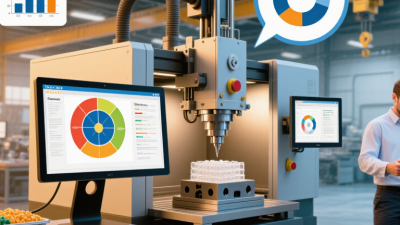
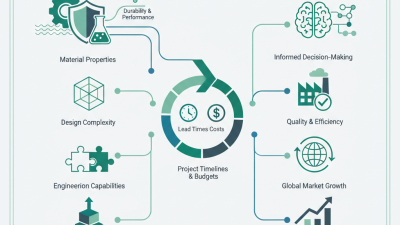
Recommended evaluation weights for small-part injection molding suppliers. Quality consistency and dimensional control receive the highest priority, followed by delivery reliability, engineering capability, traceability, and cost competitiveness.
Which Quality Control Standards and Certifications Should Be Considered?
For small injection-molded parts, quality control begins before the mold reaches the machine.
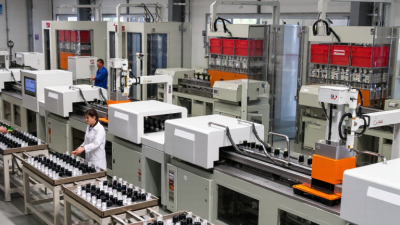
An experienced manufacturer should verify resin grades, material certificates, color limits, and drying records. Small parts expose large weaknesses. Ask for lot traceability from incoming material to packed components. Mold temperature, injection pressure, cooling time, and cycle consistency also need recorded control.
ISO 9001 is a useful baseline for documented quality systems and corrective actions. Medical components may require ISO 13485, while automotive projects can require IATF 16949. These certifications must match the factory’s actual production site and business scope.
For restricted substances, request current RoHS and REACH test reports from qualified laboratories. Do not accept an outdated declaration. Certification alone is not enough.
A reliable supplier should provide first-article inspection, dimensional reports, visual standards, and functional testing records. Check critical dimensions with calibrated gauges or coordinate measuring equipment. Review sampling plans, defect classifications, and retention periods for inspection data.
Paper is not proof. A factory may hold a valid certificate yet show weak process discipline. That assumption can fail. Request an audit, inspect the production floor, and compare records with real parts. Even capable teams can miss flash, sink marks, short shots, or warped features. Clear acceptance limits and fast corrective-action feedback reduce that risk.
How Do Pricing, Tooling, Lead Times, and Minimum Orders Compare?
China Best Injection Molding Small Parts Manufacturer?
Pricing depends on resin, part weight, tolerance, cavity count, and annual volume. A 2024 market analysis by Grand View Research valued the global injection-molded plastics market at about $265 billion in 2023. It also forecasts roughly 4.6% annual growth through 2030. That growth increases capacity, but it does not make every quote competitive. For small parts, tooling may cost $2,000 to $15,000 for a basic mold. Complex slides, tight tolerances, and hot-runner systems can raise the figure sharply. The cheapest quote is not always the lowest total cost.
Lead times commonly range from 20 to 45 days after design approval. Mold fabrication often takes 15 to 30 days, followed by sampling and corrections. A 2023 industry outlook from the Plastics Industry Association reported continuing pressure from labor, energy, and material costs. Those pressures can affect delivery promises. Ask whether the quoted schedule includes mold trials, inspection, packaging, and shipping. Many buyers miss that detail.
Minimum orders vary widely. Some suppliers accept 500 pieces for trial production, while automated runs may require 5,000 or more. A practical request should include the CAD file, resin grade, monthly demand, tolerance table, and inspection standard. I would also request a sample report and tool-maintenance terms. Be cautious here. A perfect promise on price and timing may hide weak process control, although experienced buyers can still misjudge a supplier after one successful sample.
China Best Injection Molding Small Parts Manufacturer? — How Do Pricing, Tooling, Lead Times, and Minimum Orders Compare?
| Sourcing Market |
Typical Unit Price
(10,000+ pcs) |
Prototype or Production Tooling |
Tooling Lead Time |
First Production Lead Time |
Typical MOQ |
Best Fit |
| China |
US$0.03–$0.80 |
US$1,500–$12,000 for aluminum or pre-hardened steel molds; complex multi-cavity tools may cost more. |
3–8 weeks |
2–5 weeks after approved samples |
1,000–10,000 pcs |
Cost-sensitive projects, export production, multi-cavity tooling, and medium-to-high volumes. |
| Vietnam or Thailand |
US$0.05–$1.00 |
US$2,000–$15,000, depending on steel grade, cavity count, and mold complexity. |
4–10 weeks |
3–6 weeks after approval |
2,000–10,000 pcs |
Manufacturing diversification and projects requiring competitive Asian production costs. |
| United States |
US$0.12–$1.50 |
US$5,000–$35,000 or more for production tooling; engineering-grade prototype tools are commonly higher per part. |
5–12 weeks |
2–6 weeks after approval |
500–5,000 pcs |
Fast communication, domestic supply, regulated applications, and lower logistics complexity. |
| Western Europe |
US$0.15–$1.80 |
US$6,000–$40,000 or more, particularly for tight tolerances, certified materials, and complex tooling. |
6–14 weeks |
3–7 weeks after approval |
500–5,000 pcs |
High documentation requirements, local supply, and precision-focused applications. |
| India |
US$0.05–$0.90 |
US$1,500–$12,000, with final pricing influenced by mold steel, surface finish, and cavity count. |
4–10 weeks |
3–7 weeks after approval |
1,000–10,000 pcs |
Value-oriented production and projects supported by regional engineering or assembly operations. |
Data basis: The figures are indicative market ranges for small injection-molded thermoplastic parts generally below approximately 50 g, using standard resins, conventional tolerances, and non-certified tooling. Actual quotations depend on part weight, resin, annual volume, cavity count, mold steel, surface finish, tolerance, secondary operations, packaging, freight, duties, and quality requirements.
What Support Should Customers Expect from Design to Final Production?
China Best Injection Molding Small Parts Manufacturer?
Choosing a small-parts manufacturer means evaluating support, not only machine capacity. Grand View Research valued the global injection molding market at approximately USD 262.2 billion in 2023. Its forecast also indicates steady growth through 2030. This growth increases pressure on suppliers to control details. Experienced teams should review wall thickness, draft angles, shrinkage, gate locations, and ejection risks before tooling. A practical supplier provides DFM feedback, material recommendations, mold-flow analysis, and clear tolerance discussions. Engineers should also explain trade-offs instead of promising every feature without cost.
During sampling, customers should receive dimensional reports, appearance records, and material certificates. Small parts often hide large problems. A tiny flash can block assembly. A slight sink mark can weaken a snap-fit. Production control should include first-article approval, in-process inspection, traceability, and documented corrective actions. The American Society for Quality commonly identifies a Cpk value of 1.33 as a capable-process benchmark, although product risk may require stricter control. No process is perfect. Our own mold reviews sometimes reveal assumptions that looked reasonable but failed under real assembly pressure.
Tips: Ask for a tolerance review before mold release. Confirm resin grade and color reference in writing. Request sample parts from every cavity. Check critical dimensions after conditioning. Also ask how rejected parts are isolated. These simple questions expose weak systems early.