How to Choose the Right CNC Lathe Machine for Your Needs?
Choosing the right Cnc Lathe Machine can significantly impact your production efficiency. As John Smith, a leading expert in CNC technology, once said, "Selecting the right lathe is crucial for precision and performance." Understanding your specific needs is essential.
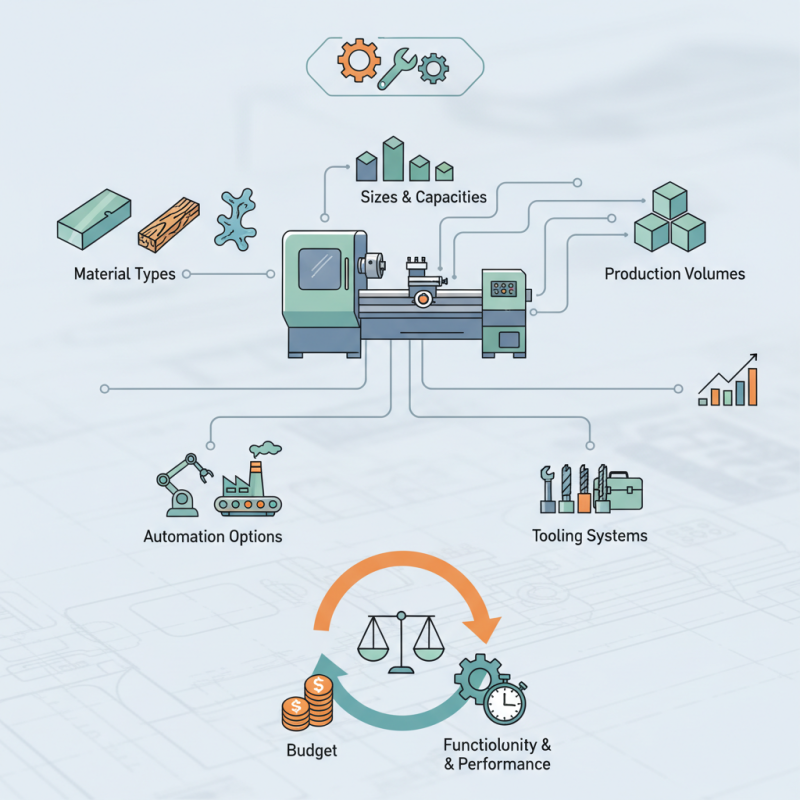
CNC lathe machines come in various sizes and capabilities. You need to consider factors like material types, sizes, and production volumes. A machine that fits one shop may not suit another. Mistakes can lead to costly delays.
Many users overlook essential features. They may ignore automation options or tooling systems. This oversight can diminish productivity. Ensuring that your CNC lathe aligns with your goals is vital. Finding balance in functionality and budget requires careful thought. Every choice matters when investing in a CNC lathe machine.
Understanding CNC Lathe Machines: An Overview
CNC lathe machines play a vital role in modern manufacturing. They are designed to automate the turning process. This allows for greater precision and efficiency compared to manual methods. By understanding these machines, users can make informed decisions.
A CNC lathe uses computer programming to control the cutting tools. Users can create complex shapes with high accuracy. Different models offer various features, such as spindle speed and tooling options. It’s crucial to evaluate these features based on specific project needs. Some machines may not have all the necessary capabilities, leading to potential limitations.
When selecting a lathe, consider the materials you will work with. Some machines excel with metal, while others are better for plastics. Engaging with industry professionals can provide valuable insights. They can guide you in understanding the pros and cons of different models. Yet, feedback may vary.
Don’t hesitate to experiment. Finding the right machine often involves trial and error. Adjusting your choices based on project outcomes is essential for growth.
Identifying Your Specific Machining Needs and Applications
When selecting a CNC lathe machine, it’s crucial to identify your specific machining needs and applications. Consider the types of materials you’ll work with. Different materials require different setups and tooling. If you plan to machine metals, you need a robust machine with high torque and rigidity. For softer materials like plastics, a less powerful machine may suffice.
Your production volume will also impact your decision. High-volume production often requires features like automatic tool changers and faster spindle speeds. Multi-tasking machines can greatly improve efficiency for complex parts. Reflect on your workspace too. Some machines require extensive setup space, while others are more compact.
Lastly, think about future needs. Investing in a versatile model can save you time and money later. However, ensure it doesn’t complicate your workflow. It can be tempting to opt for high-end features, but unnecessary complexity may just lead to frustration. Analyze your current processes and be honest about what you truly need. Avoiding over-specification can lead to better, more manageable operations.
Key Features to Consider When Selecting a CNC Lathe
When selecting a CNC lathe machine, several key features are crucial. The size of the work area plays a significant role. A larger workspace enables the machining of bigger parts, which is essential for various projects. According to industry reports, companies often face limitations due to inadequate work area dimensions. Choosing a machine that fits your production needs can prevent costly delays.
Another critical aspect is the spindle speed. High spindle speeds can improve efficiency and reduce machining times for many materials. Studies indicate that machines with variable spindle speeds are favored by 70% of manufacturers. This flexibility allows for adjustments depending on the material, which can lead to better surface finishes and tolerances. Users sometimes overlook this feature, leading to unexpected machining issues.
Tooling compatibility is also vital. The right machine should support various tooling options. This compatibility can streamline operations and reduce changeover times. However, many operators struggle with adjusting to different tools. Regular training and reviews are necessary to maximize the benefits of this feature. Investing in a CNC lathe without considering these elements can lead to suboptimal performance and lost productivity.
Evaluating CNC Lathe Machine Specifications and Capabilities
When choosing a CNC lathe machine, evaluating specifications and capabilities is crucial. Start with the machine's size and capacity. A larger work area allows for bigger projects, but it requires adequate shop space. Assess spindle speed too. A higher RPM means faster production. However, not every project needs high speed. Sometimes, lower speed offers better precision.
Consider the tooling options available. The versatility to use various tools can enhance productivity. Look for machines with quick tool change features. This can save valuable time. Pay attention to the rigidity and stability of the lathe. A robust frame minimizes vibrations, improving finished product quality. Remember, not all machines have the same build quality.
Don’t forget software compatibility. Advanced software can streamline operations but may require training. An easy-to-use interface is often overlooked. Some users struggle with complex programming, which can lead to mistakes. Reflect on these factors. Each needs careful consideration to avoid future inefficiencies. Take your time to analyze all aspects before making a decision.
Budgeting for Your CNC Lathe: Cost Factors and Considerations
When budgeting for a CNC lathe machine, consider several cost factors. The initial purchase price is crucial. Prices can range widely based on size and features. Smaller lathes might start at a few thousand dollars. Larger, industrial models can cost significantly more. This difference can impact your overall budget.
Don’t overlook additional costs. Maintenance and repair expenses can add up over time. Think about tools and attachments you may need. They can bring extra costs too. Installation might require professional help, which is another expense. Also, factor in the learning curve. Training your staff will take both time and money.
Reflect on your long-term needs. It’s easy to focus on immediate costs. However, a cheaper machine might not meet future demands. This could lead to purchasing a new one sooner than expected. Assessing your requirements can prevent overspending. Always seek a balance between quality and price.