No Job is Too Big or Too Small!

How to Choose an Injection Molding Tooling Supplier?

Selecting an injection molding tooling supplier can shape a project long before the first production part is made. Tool design, steel selection, machining quality, and communication all affect cost, lead time, and repeatability. A low initial quote may look attractive, but it can leave important details unclear. That matters.

A careful evaluation starts with the part itself. Share drawings, resin requirements, expected volumes, and critical dimensions, then ask how the supplier reviews them. Look for practical design-for-manufacturing feedback, clear assumptions, and a quote that explains tooling scope. Ask about tool trials, sample approval, maintenance, and support after delivery. References and examples of comparable molds can help verify a supplier’s experience. Details such as venting, cooling channels, and access for repairs deserve attention too.

The right supplier should explain trade-offs in plain language, not promise perfect results. No checklist removes every risk; even a thorough review can miss something. That is worth admitting. Still, documented milestones, realistic schedules, and prompt answers make problems easier to spot early. This guide outlines how to compare technical capability, quality controls, communication, and total cost—not just the headline price. With the right questions, buyers can choose a partner whose process fits the part, production plan, and long-term needs.
How to Choose an Injection Molding Tooling Supplier?

Define the Project Requirements and Tooling Scope

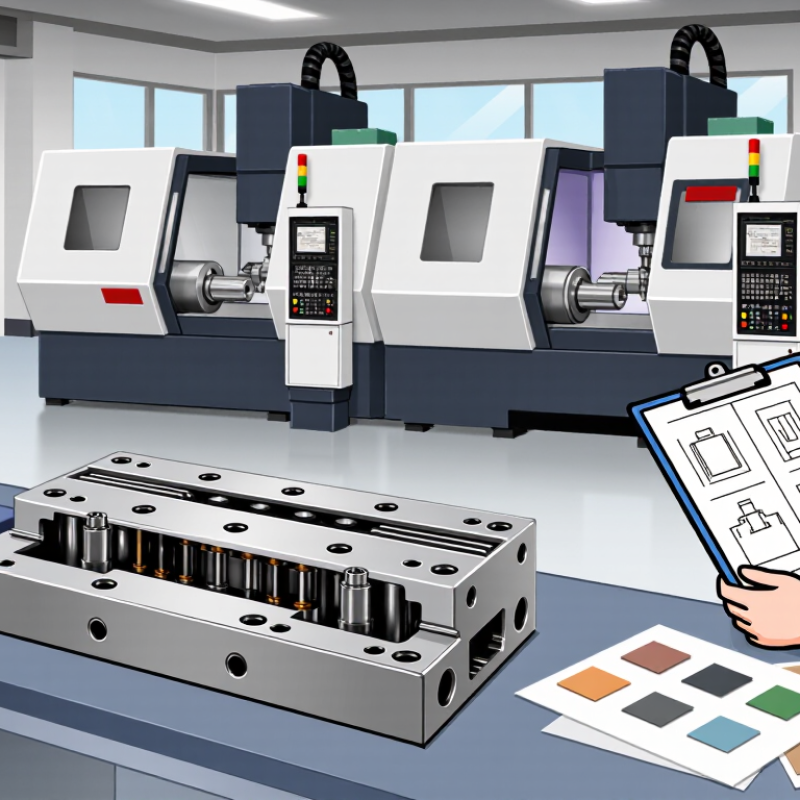
Before comparing injection molding tooling suppliers, define what the tool must produce and where its responsibility ends. Specify the part material, expected annual volume, target cycle time, and required tool life. Identify critical dimensions, cosmetic surfaces, and any features that may need side actions or inserts. A marked-up part drawing helps: circle a sealing surface, for example, and state its tolerance and inspection method. Small details matter. Avoid treating every dimension as equally critical; that can raise cost without improving the part.

Tips: Share current CAD files, revision numbers, and a sample part if available. Ask suppliers to identify assumptions in their quotes, including mold base, cavities, sampling, and maintenance. Keep it measurable. If a requirement is still uncertain, label it as an open question rather than presenting a guess as a final specification.

Also define the handoff: who owns the tool, where it will run, and what documentation comes with it. Set expectations for trial samples, dimensional reports, and approval criteria before cutting steel. A common planning miss is leaving these items until after the quote; changing them later can affect both schedule and price. The scope may feel overly detailed, but not every early decision will be right. Record what remains provisional and when it will be confirmed.

Identify and Screen Potential Tooling Suppliers

Build a shortlist around process fit, not a glossy machine list. Grand View Research estimated the global injection-molded plastics market at USD 284.7 billion in 2023, with projected annual growth of 4.7% through 2030. Market growth does not prove a shop can make your part reliably. Ask about press tonnage, mold dimensions, resin experience, tool-steel choices, and documented cycle times. Request a recent inspection report for a comparable job. Check critical dimensions, flash, sink marks, and parting lines against the drawing. Details matter.

The Plastics Industry Association’s 2024 Size and Impact report put U.S. plastics-industry shipments at USD 548.1 billion in 2022. Use market scale as context, not as a supplier score. During a technical call, ask who reviews design-for-manufacturing feedback, maintains the mold, and handles corrective actions. Request redacted records, such as a first-article report or maintenance log. Ask what happens when a press fails. Get actual lead-time examples, not only best-case estimates. A polished capability sheet is not proof. I would not reject a supplier over one unanswered question; some details need checking. Still, vague replies about scrap, maintenance, or process changes warrant a closer look.

Evaluate Technical Capability and Manufacturing Quality

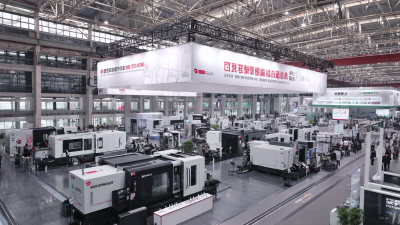
A capable injection molding tooling supplier should show how engineering decisions become measurable tool performance. Ask for evidence of mold-flow analysis, cooling-channel design, steel selection, and documented design-for-manufacturing reviews. Then check whether its machines can handle your tool’s dimensions and tolerances. Can it share calibration records, cavity measurements, and trial-shot data? Details matter: a polished sample part proves little if the supplier cannot explain how it controlled shrinkage or flash.

The scale of the market makes disciplined supplier assessment important. Grand View Research estimated the global injection molding market at USD 284.1 billion in 2023. Yet market growth does not guarantee consistent tooling quality. ISO’s 2022 Survey counted more than 1.2 million ISO 9001 certificates worldwide; certification signals a quality-management system, not a defect-free mold. Paper is not proof. Review the supplier’s inspection plan, nonconformance records, and corrective-action examples. Ask to see a recent first-article report, including critical dimensions and measurement methods.

If possible, inspect the toolroom and observe a mold trial. Look for tidy machine setups, traceable steel records, and technicians who can explain adjustments without guessing. Request a written acceptance plan covering cycle time, part dimensions, and sampling conditions. A supplier may have advanced equipment but weak process control. That distinction can be easy to miss. Be candid about uncertainties, too: resin behavior and part geometry can shift results after the first trial.

Compare Costs, Lead Times, Communication, and Support

A tooling quote should show more than the mold price. Compare steel grade, cavity count, surface finish, sampling, and maintenance; ask which changes trigger extra charges. Request a dated schedule covering design approval, machining, first trial, and corrections. A low quote can become expensive when rework or unclear exclusions appear. Ask for evidence. Review a sample inspection report and a recent project timeline, with sensitive details removed.

Capacity matters too. Deloitte and the Manufacturing Institute’s 2024 workforce report estimated that 3.8 million manufacturing jobs may be needed in the United States by 2033, with 1.9 million potentially unfilled. This is not a tooling-lead-time benchmark, but it highlights why a supplier’s staffing and backup plans deserve questions. Who owns your project when the lead engineer is unavailable? How quickly will you hear about a missed milestone? Small delays compound. Agree on response times, escalation contacts, and what support covers after delivery, including troubleshooting and spare inserts. I can still be tempted by the cheapest quote; a clear plan is a better test of value.

How to Choose an Injection Molding Tooling Supplier? — Compare Costs, Lead Times, Communication, and Support

Illustrative comparison of common supplier options for a medium-complexity, single-cavity thermoplastic injection mold.
Comparison Factor Local Prototype Toolmaker
Aluminum Tool
Domestic Production Toolmaker
P20 Steel Tool
Offshore Production Toolmaker
P20 Steel Tool
Typical Tooling Cost Approximately US$8,000–$25,000. Often suited to prototypes, bridge production, or lower-volume programs. Approximately US$20,000–$60,000. Cost varies with part size, cavity count, slides, surface finish, and validation requirements. Approximately US$10,000–$35,000. Lower quoted tooling costs may be offset by freight, import duties, travel, or extra project-management time.
Typical Tool Lead Time About 3–6 weeks after design approval for a relatively straightforward tool. About 6–12 weeks after design approval, depending on tool complexity and shop workload. About 8–14 weeks to delivery is a practical planning range; manufacturing may be comparable to domestic work, but shipping and customs add time.
Best Fit Early design validation, pilot runs, frequent design changes, or faster access to a nearby tool shop. Programs that prioritize local coordination, production tooling, and easier in-person reviews. Cost-sensitive production programs with stable designs, clear specifications, and enough schedule flexibility for international logistics.
Communication Same-time-zone meetings and in-person reviews may be easier. Confirm who owns design-for-manufacturing feedback and how often updates are provided. Direct meetings and local-language support are often convenient. Ask for a named project lead and written milestone updates. Written communication can work well, but time-zone differences may slow decisions. Agree on response times, meeting hours, and a single point of contact.
Design Review & Changes Potentially convenient for rapid iteration. Confirm what revisions are included and how changes after tool cutting are priced. Often supports structured design reviews and engineering changes. Request a documented approval process before machining begins. Can provide detailed design-for-manufacturing reviews remotely. Use marked-up CAD files, a revision log, and written approval checkpoints.
Sampling & Validation Ask whether trial shots, dimensional reports, and sample shipment are included in the quoted price. Confirm the number of sampling rounds, inspection method, and whether process or dimensional documentation is supplied. Specify sample quantities, inspection criteria, report format, and shipping responsibility before placing the order.
After-Sales Tool Support Local access can make troubleshooting and minor repairs more convenient. Confirm storage, maintenance, and response-time terms. Local repair and modification may simplify production support. Clarify warranty coverage and who pays for wear-related work. Remote support may be effective, but returning a tool for repair can add cost and downtime. Agree on spare parts, maintenance, and repair procedures.
Key Risks to Check Aluminum tools may have shorter service life than hardened production tooling; suitability depends on resin, part design, and expected volume. Higher upfront cost and a longer build schedule may be less suitable for short-lived or rapidly changing designs. Long-distance inspections, shipping delays, unclear ownership of changes, and communication gaps require careful planning.
Questions to Ask Before Award What tool life is expected for the specified resin and production conditions? Are trial shots and revisions included? What steel, hardness, and tool-life assumptions are included? What are the sampling, warranty, and maintenance terms? Who pays freight and duties? Can the tool be inspected before shipment? What documentation, warranty, and repair support are included?

Planning note: Cost and lead-time figures are indicative estimates, not supplier quotations. Actual values depend on part dimensions, resin, tolerances, mold base, cavity count, side actions, surface finish, validation scope, shipping route, and current shop capacity. Compare written quotations using the same part design, mold specifications, sampling plan, and delivery terms.

Verify Supplier Fit and Finalize the Tooling Agreement

Before signing, verify that the supplier can build your specific part, not just a similar mold. Review recent tool samples, dimensional reports, and the proposed steel grade, cavity count, and expected tool life. Ask how the supplier will measure critical features, such as a thin rib or a sealing surface. The ISO Survey 2023 counted more than one million ISO 9001 certificates worldwide, but certification alone does not prove a supplier can meet your tolerances. Request evidence from comparable projects. Keep the mold trial practical: define sample quantities, acceptance criteria, and who pays for corrections when parts miss specification. Small details matter.

Put ownership, maintenance, and change control in writing. The agreement should identify who owns the CAD files and tooling, where the mold will be stored, and how wear repairs are authorized. Tie payments to verifiable milestones, such as design approval, first tool trial, and accepted samples. Deloitte’s 2024 manufacturing outlook reported that 86% of surveyed manufacturing executives saw smart-factory solutions as a key competitiveness driver over the next five years. Ask whether the supplier can share production and quality data in a usable format; a dashboard is not a substitute for clear records. One point is easy to miss: the lowest quote may exclude trial changes or routine maintenance. Compare the full operating cost, then review the agreement line by line. A rushed signature is hard to undo.