No Job is Too Big or Too Small!

How to Choose the Best Polypropylene Plastic for Your Needs?

Choosing the right polypropylene plastic is crucial for various applications. This material accounts for about 20% of the global plastic market, highlighting its importance. As industries expand, the demand for polypropylene plastic is projected to reach 45 million metric tons by 2025 (source: Global Polymer Insights).

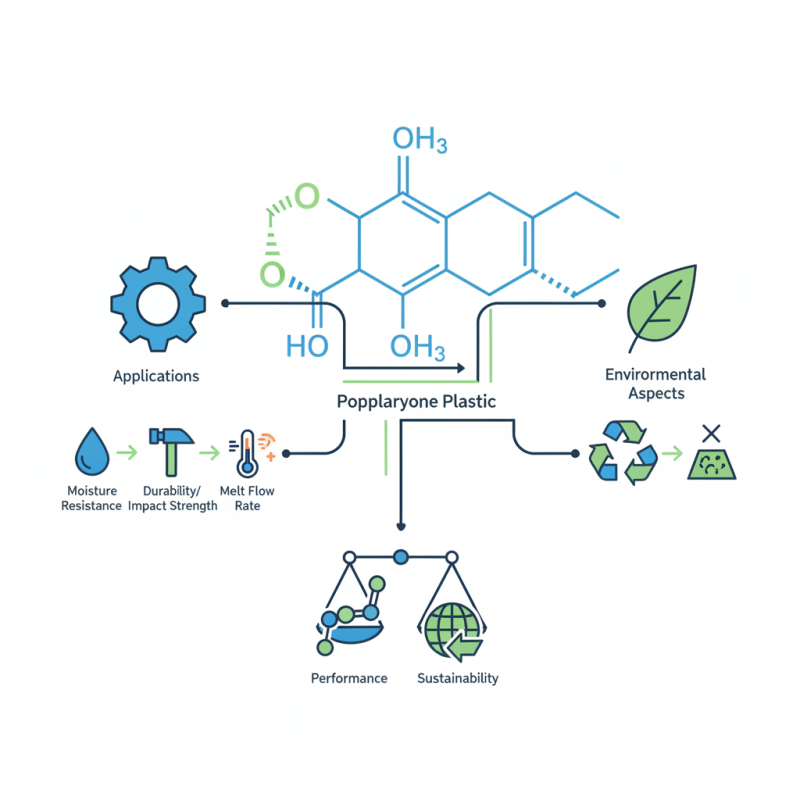
Polypropylene is known for its versatility. It is lightweight, durable, and resistant to moisture. However, selecting the best type can be challenging. The differences in grades can be subtle yet significant, impacting performance in end-use applications. For instance, factors like melt flow rate and impact strength play critical roles.

It's essential to consider not just the applications but also environmental aspects. Polypropylene is recyclable, yet many still end up in landfills. This raises questions about sustainable practices. Evaluating your needs carefully can lead to a more informed choice, ensuring the attributes of polypropylene plastic align with your project's goals. By making thoughtful decisions, users can optimize both performance and environmental impact.
How to Choose the Best Polypropylene Plastic for Your Needs?

Understanding Polypropylene Plastic and Its Types

Polypropylene is a versatile thermoplastic widely used in various applications. Understanding its types is crucial for selection. Polypropylene comes in several grades, including homopolymer, copolymer, and random copolymer. Each type has distinct properties, catering to different needs. For instance, homopolymer polypropylene is known for its high tensile strength and stiffness but is less impact-resistant. On the other hand, copolymer varieties offer improved toughness, making them suitable for applications exposed to stress and impact.

Data from the Plastics Industry Association indicates that polypropylene accounts for around 25% of all plastic materials consumed globally. Its low density and excellent chemical resistance make it ideal for packaging, automotive parts, and textiles. The flexibility in processing methods, such as injection molding and extrusion, gives manufacturers an edge in producing varied shapes and sizes. However, the environmental concerns regarding plastic waste pose challenges that need addressing.

The choice of polypropylene plastic should also consider its applications carefully. For instance, certain applications may require higher impact resistance. While random copolymer polypropylene provides flexibility, it may not always meet the strength requirements for heavy-duty uses. This kind of nuanced understanding is vital for making informed choices in your projects.
Key Properties of Polypropylene to Consider for Your Needs

When selecting polypropylene plastic, understanding its key properties is essential. Polypropylene is known for its excellent chemical resistance. This makes it suitable for a variety of applications, from packaging to automotive components. According to a report from Smithers Pira, the demand for polypropylene is projected to grow by 4% annually in the next five years. This growth reflects its adaptability and performance in different environments.

Another significant property is its impact resistance. Polypropylene can withstand physical stress without breaking. In many applications, this durability is critical. Industry experts note that polypropylene's tensile strength can reach up to 48 MPa, making it a reliable choice for demanding situations. Such strength contributes to its popularity in both consumer products and industrial uses.

Moreover, polypropylene's lightweight nature is another advantage. It is 30% lighter than many other plastics, which can reduce transportation costs. However, this feature requires careful consideration during design. Oversight in weight-based assessments can lead to inadequate performance in heavy-duty applications. It's a fine balance between choosing a lightweight solution and ensuring overall durability. Understanding these properties can help you make informed decisions suited to your specific needs.

Evaluating the Performance Characteristics of Polypropylene Grades

How to Choose the Best Polypropylene Plastic for Your Needs?

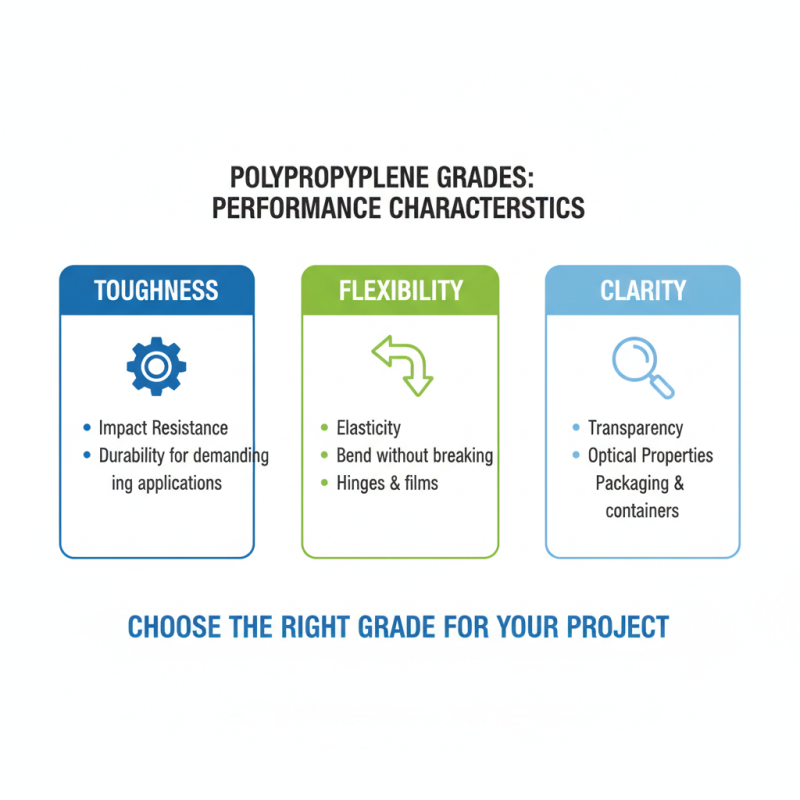
Choosing the right polypropylene plastic requires an understanding of its performance characteristics. Different grades of polypropylene exhibit varied properties. Some grades are designed for toughness, while others focus on flexibility or clarity. Knowing these details can help you select the best material for your project.

Consider the specific applications. Is the polypropylene for a food packaging project or for durable consumer goods? Each application has unique demands. Higher tensile strength may be essential for load-bearing applications. Alternatively, low-density grades might suffice for lightweight containers. Testing these properties in real-world scenarios can provide valuable insights.

Don't overlook the importance of environmental factors. Exposure to UV light or certain chemicals can degrade some polypropylene grades. Seek options that suit your intended conditions. Evaluating long-term performance is crucial. Researching case studies and feedback from industry experts can guide your decision-making process. Relying on experience and credible information ensures better outcomes, but expect some trial and error along the way.

Applications of Polypropylene in Various Industries

How to Choose the Best Polypropylene Plastic for Your Needs?

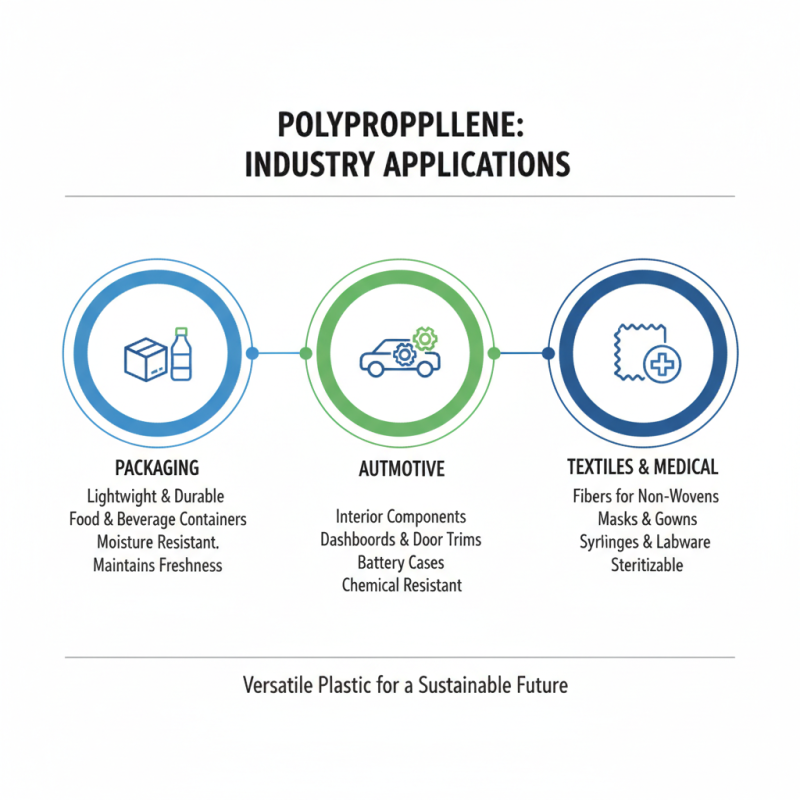
Polypropylene is a versatile plastic that finds applications across various industries. In packaging, it is widely used for its lightweight and durable qualities. Food containers made from polypropylene maintain freshness and protect contents from contamination. The plastic's resistance to moisture makes it suitable for food and beverage packaging.

In the automotive industry, polypropylene is prized for its impact resistance and low weight. Car interiors, bumpers, and panels often utilize this material to enhance safety and fuel efficiency. However, the processing of polypropylene can sometimes lead to variations in quality. This inconsistency may affect performance or durability, requiring careful selection.

Additionally, polypropylene plays a significant role in medical applications. It is used for manufacturing syringes, surgical trays, and other disposable items. Its ease of sterilization is a key advantage, allowing for safe use in healthcare settings. However, not all polypropylene types are suitable for medical use. Understanding the specifications and certifications is crucial.

Tips for Selecting the Right Polypropylene for Your Project

Choosing the right polypropylene can be a challenge. Different projects require different properties. Understanding your needs is crucial for making the right selection.

Consider the intended use of the polypropylene. Is it for packaging, automotive, or medical applications? Each use may demand unique properties. Look for clarity, flexibility, or chemical resistance. Assess the thickness, as it affects durability and weight. Some projects may require a strong, thick material, while others benefit from a lighter, thinner option.

Tips for selecting the right polypropylene:

1. Evaluate the environmental conditions. Will the material face extreme temperatures? Identify if UV stability is essential for outdoor applications.
2. Review the processing methods. Some forms of polypropylene work better with certain techniques like injection molding or extrusion.
3. Research recyclability and environmental impact. Sustainable choices are increasingly important today.

Think critically about your project needs. There’s no one-size-fits-all solution. Reflect on what works best for you. Balancing performance and cost will guide your decision.