
No Job is Too Big or Too Small!

How to Choose the Best Regenerative Oxidizer for Your Needs?

Choosing the right Regenerative Oxidizer is crucial for effective air pollution control. Many industries rely on these systems to reduce harmful emissions. However, the abundance of options can be overwhelming. The performance of a regenerative oxidizer can significantly impact operational efficiency.

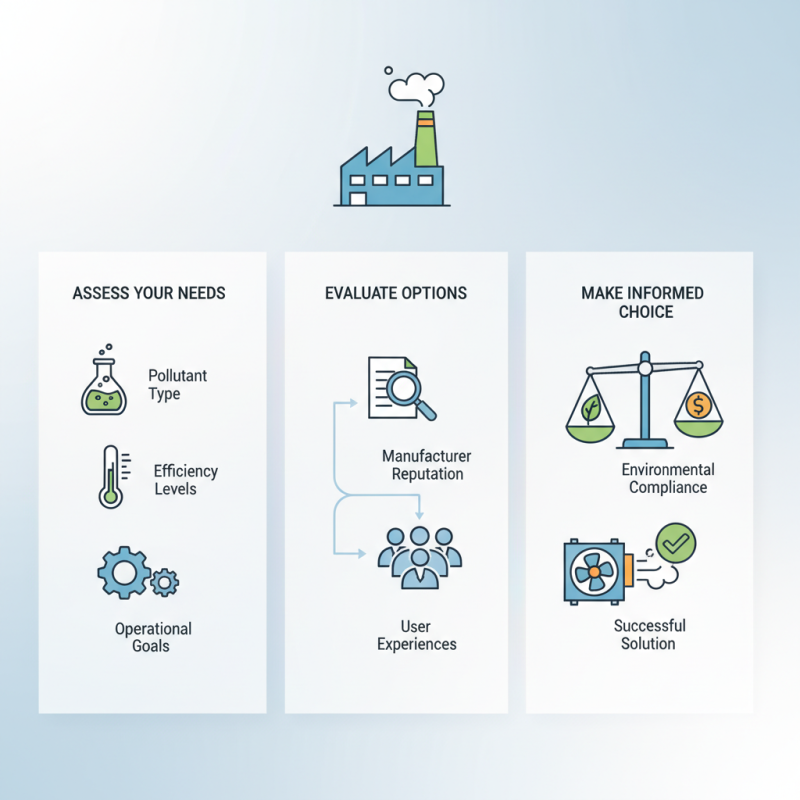
Understanding your specific needs is essential. Factors such as the type of pollutants and required efficiency levels come into play. An expert’s advice can guide you in selecting the right model. A regenerative oxidizer should align with your operational goals and compliance requirements. Yet, not all products are created equal. Some may promise high performance but fall short in real-world applications.

Evaluating different manufacturers is a wise approach. Their expertise and reputation in the market can determine the reliability of their products. Invest time in researching real user experiences. Remember, choosing a regenerative oxidizer is not just about price. It's about finding a solution that truly meets your environmental and business needs.
How to Choose the Best Regenerative Oxidizer for Your Needs?

Understanding the Basics of Regenerative Oxidizers and Their Functionality

Regenerative oxidizers are crucial for controlling air pollution. They work by oxidizing volatile organic compounds (VOCs) and other harmful emissions. This technology utilizes heat exchange to regenerate energy, making it more efficient. Understanding how these systems function helps in making informed decisions.

When choosing a regenerative oxidizer, consider the type of contaminants you need to treat. Different oxidizers target specific pollutants. Assess how the oxidizer will fit into your existing systems. This can be challenging since each facility may have unique requirements. Always remember that operation costs can vary significantly based on the oxidizer's design and capacity.

**Tips**: Evaluate your air quality standards closely. Make sure to calculate the potential energy savings over time. Look for a system that offers flexibility for future upgrades. Don't rush this decision. Taking time to research and understand your options can lead to better long-term results.

Key Factors to Consider When Selecting a Regenerative Oxidizer

Selecting the right regenerative oxidizer involves several key factors. Understanding the specific needs of your operation is vital. Different industries produce various types of emissions. Each type may require a distinct solution. The oxidizer's efficiency rating is an essential consideration. According to industry reports, an efficiency rating above 95% is ideal for most applications.

Cost is another crucial factor. While high-efficiency units may be more expensive initially, they often lead to lower operational costs over time. A study by the Environmental Protection Agency indicated that effective emissions control could reduce long-term expenses up to 30%. It's essential to perform a cost-benefit analysis to make an informed decision.

Tips: Always consult with manufacturers about maintenance needs. Depending on the design, some units require frequent servicing. Reliability is critical. Look for units with proven track records in the field. Finally, consider the size and space available for installation. A well-fitted unit maximizes efficiency. Therefore, ensure accurate dimensions before selection.

How to Choose the Best Regenerative Oxidizer for Your Needs? - Key Factors to Consider When Selecting a Regenerative Oxidizer

Factor Description Importance Level
Capacity The amount of pollutants the oxidizer can handle without requiring frequent regeneration. High
Efficiency The effectiveness of the oxidizer in converting harmful pollutants into less harmful substances. High
Cost Initial purchase price and ongoing maintenance expenses related to the oxidizer. Medium
Footprint The physical space required for installation of the oxidizer. Medium
Durability The expected lifespan and robustness of the oxidizer under operating conditions. High
Regeneration Time The time required for the oxidizer to regenerate after being in operation. Medium
Technology Type The method employed for oxidation, such as thermal or catalytic processes. High
Compliance Adherence to environmental regulations and standards relevant to your industry. High

Comparative Analysis of Efficiency Ratings in Regenerative Oxidizers

When selecting a regenerative oxidizer, efficiency ratings play a critical role. These ratings indicate how well the device can convert harmful emissions into harmless gases. An effective oxidizer eliminates pollutants while minimizing energy consumption. Understanding these ratings can be complex, but it’s essential for making informed decisions.

Different manufacturers use various metrics to assess efficiency. Factors such as temperature, flow rate, and specific applications influence performance. Some oxidizers might excel in high-temperature settings but underperform in others. This inconsistency highlights the importance of knowing your specific needs before making a choice.

Real-world performance can differ from the lab results presented in brochures. Environmental conditions and maintenance practices can affect efficiency. Therefore, consider not just the ratings but also user experiences and case studies. Gather insights from industry professionals who have firsthand knowledge of various models. By approaching this selection process thoughtfully, you can find an oxidizer that truly meets your needs effectively.

Assessing Cost-Effectiveness: Initial Investment vs. Long-term Savings

When considering the purchase of a regenerative oxidizer, understanding cost-effectiveness is essential. Many users focus on initial costs, but long-term savings often play a significant role. For instance, an inexpensive option may require frequent maintenance, driving up overall costs. Conversely, investing in a higher-quality unit can lead to fewer repairs and longer operational life.

The initial investment must be weighed against potential savings on energy and maintenance. Operational efficiency is crucial. A more effective regenerating oxidizer can consume less energy, reducing monthly utility bills. Take the time to calculate the return on investment (ROI) for different models. This can reveal which options genuinely save money over time.

User experiences provide valuable insights. While some users may praise a budget model, others might report ongoing frustrations. This feedback can shape your decision-making process. It's important to question assumptions. How much are you spending on repairs? Are these small savings worth the hassle? Reflecting on these points will help in making a more informed choice.

Industry Standards and Certifications for Regenerative Oxidizer Selection

When selecting a regenerative oxidizer, understanding industry standards and certifications is crucial. Certain certifications ensure products meet specific performance and safety criteria. One commonly referenced standard is ISO 9001, which guarantees quality management throughout the production process. This certification implies a commitment to meeting customer needs and continuous improvement.

Environmental regulations also play a significant role. Compliance with standards like EPA or local air quality guidelines ensures that the oxidizer minimizes harmful emissions. Look for products with certifications that validate their efficiency and environmental impact. Performance can vary, so proper research is essential.

Moreover, the selection process itself can be complex. Not all products labeled as “efficient” or “eco-friendly” perform equally. Consideration should be given to the specific application and operational context. Engage with experts in the field, but be aware that not all expert opinions are equal. Seeking multiple perspectives can provide a more holistic view and limit biases.