
No Job is Too Big or Too Small!
How to Choose PVC Film for Global Buyers in 2026?
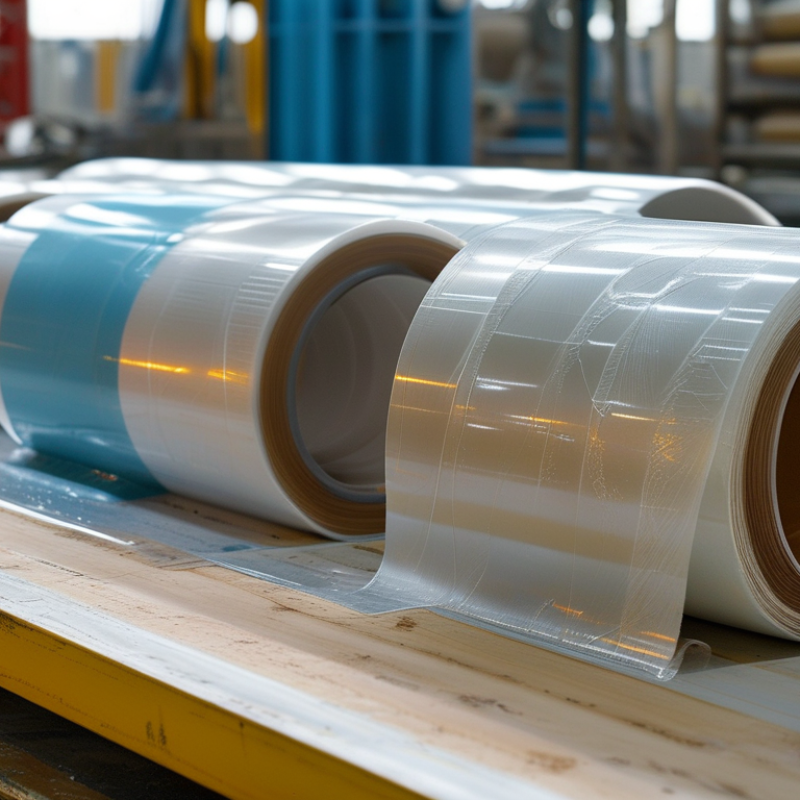
Choosing pvc film in 2026 requires more than comparing price per kilogram. Global buyers must connect product performance with application needs, regional conditions, and documented supplier capability. A clear film for food packaging may need different clarity, thickness, sealing behavior, and compliance evidence than film used for labels, furniture, or industrial protection. Small specification gaps can create large costs. A roll that feels acceptable during sampling may wrinkle, block, or tear during high-speed production.
Real purchasing experience shows that surface appearance is only one part of the decision. Buyers should review technical data sheets, test reports, production tolerances, and batch consistency. Ask how thickness is measured. Confirm whether results reflect actual production samples. Inspect winding quality, core strength, odor, and storage conditions. Climate also matters. Heat, humidity, and long ocean transport can affect handling and performance.
Do not trust impressive claims alone.
A reliable supplier should explain raw material choices, quality controls, traceability, and corrective actions. Independent testing may be appropriate when the film contacts regulated products or enters demanding markets. Requirements can differ by country, customer, and end use, so professional verification remains essential. This guide examines practical selection criteria for global buyers, including performance, compliance documentation, sustainability considerations, logistics, and total cost. It also recognizes an uncomfortable truth: no supplier comparison is perfect. Some defects appear only after months of use. Careful sampling, transparent communication, and realistic risk assessment provide stronger protection than the lowest quotation.
Define End Use: Match 20–500 μm PVC Film to Performance Needs
How to Choose PVC Film for Global Buyers in 2026?
Define End Use: Match 20–500 μm PVC Film to Performance Needs
PVC film selection should begin with the final application, not the lowest quoted price. A 20–50 μm film may suit labels, overlays, and light protective wrapping. It offers easy handling but limited puncture resistance. Thin film can fail during automated packing. That risk is often underestimated.
For liners, decorative surfaces, and flexible covers, consider 60–150 μm film. Check clarity, surface finish, tensile strength, and resistance to oils or cleaning agents. A 150–300 μm grade provides more body for folders, curtains, packaging components, and industrial covers. It may require stronger sealing equipment. At 300–500 μm, PVC film behaves more like a semi-rigid sheet. This range supports demanding covers, formed parts, and durable protective layers.
Think about temperature, light, moisture, and repeated movement. Outdoor use may need weathering resistance and suitable stabilizers. Transparent applications require low haze and consistent thickness. For printed film, surface treatment and ink adhesion deserve practical testing. Do not trust a sample alone. Measure several points across the roll.
Ask suppliers for thickness tolerance, roll length, resin information, test data, and batch records. For direct food contact, verify compliance for the destination market before purchase. A film can perform well technically yet fail a required application review. This is where many sourcing plans need a second look. Pilot trials often reveal curling, blocking, or weak seals that specifications miss.
How to Choose PVC Film for Global Buyers in 2026? - Define End Use: Match 20–500 μm PVC Film to Performance Needs
| Typical Thickness | Recommended End Use | Key Performance Requirements | Typical Material and Property Guidance | Processing Considerations | Relevant Quality Checks | Buyer Selection Guidance |
|---|---|---|---|---|---|---|
| 20–50 μm | Labels, release liners, flexible overlays, lightweight packaging components | Low basis weight, smooth surface, controlled dimensional stability, printability, and clean die-cutting. | Flexible PVC film is normally plasticized for this thickness range. Surface finish may be clear, glossy, matte, or treated for ink adhesion. | Use controlled web tension and sharp tooling. Excessive heat can cause shrinkage, blocking, or distortion. | Thickness uniformity, surface energy or ink adhesion, tensile strength, elongation, haze, gloss, and roll appearance. | Choose this range when weight and flexibility are more important than puncture resistance. Confirm compatibility with adhesives and printing inks. |
| 50–100 μm | Decorative laminates, stationery covers, identification products, and light-duty protective films | Good surface appearance, moderate tear resistance, stable color, and reliable bonding or lamination performance. | Available in flexible and semi-rigid grades. Plasticizer level, surface treatment, and pigment loading strongly affect flexibility and print quality. | Suitable for gravure, flexographic, screen, or digital printing when the surface is correctly prepared. Lamination temperature must suit the adhesive system. | Thickness, tensile and elongation, adhesion or peel strength, color difference, gloss, haze, and blocking resistance. | Select a coated or treated surface for demanding graphics. Request a sample roll if the film will be laminated or formed. |
| 100–180 μm | Pressure-sensitive tape backings, signage, wall coverings, furniture foils, and general-purpose protective overlays | Balanced flexibility, tear resistance, dimensional stability, printability, and resistance to handling damage. | Typical constructions include flexible PVC with stabilizers and plasticizers; semi-rigid grades provide greater stiffness and shape retention. | Suitable for slitting, laminating, embossing, and thermoforming within the supplier's recommended temperature range. Avoid excessive roll pressure. | Thickness profile, tensile strength, elongation, tear resistance, shrinkage after heating, adhesion, embossing definition, and weathering where required. | Use this range for products exposed to repeated handling. Specify whether the film must be removable, permanent, outdoor-rated, or flame-retardant. |
| 180–250 μm | Durable labels, vehicle graphics, decorative surface films, folders, covers, and medium-duty protective applications | Higher puncture and tear resistance, reliable conformability, good dimensional stability, and resistance to abrasion and moisture. | Flexible PVC generally offers good conformability; lower-plasticizer or semi-rigid formulations provide improved stiffness and reduced stretch. | Confirm forming radius, adhesive compatibility, and lamination pressure. Embossing and surface texture can change optical and mechanical properties. | Tensile and tear strength, puncture resistance, dimensional change, peel adhesion, abrasion resistance, water resistance, and accelerated aging. | A practical range for products requiring both visual quality and durability. Specify the intended service temperature and exposure period. |
| 250–350 μm | Heavy-duty covers, industrial curtains, flexible partitions, protective sheets, and robust technical laminates | Strong tear and puncture resistance, improved impact protection, weldability, dimensional stability, and long-term flexibility. | Calendered or extruded PVC constructions may be reinforced or laminated. Formulation can include plasticizers, heat stabilizers, pigments, and flame-retardant additives. | Check welding, high-frequency sealing, sewing, and adhesive-bonding requirements before final selection. Thick films require careful cooling and roll handling. | Thickness, tensile, tear, puncture, seam or weld strength, flex cracking, low-temperature flexibility, flame performance, and migration where relevant. | Choose this range when mechanical protection is critical. Define whether the film will be folded, welded, tensioned, or repeatedly flexed. |
| 350–500 μm | Industrial barriers, truck and container covers, heavy-duty tarpaulins, protective membranes, and long-life technical products | Maximum protection within this range, high tear and puncture resistance, weatherability, weld strength, and resistance to repeated handling. | Usually selected as a flexible, reinforced, or laminated PVC structure. Fabric reinforcement can substantially increase tensile and tear performance. | Plan for higher forming force and slower heat transfer. Validate welding parameters, edge finishing, roll diameter, and storage conditions. | Thickness, tensile and tear strength, puncture, flex cracking, hydrostatic or water resistance, UV and weathering, weld strength, and flame performance. | Select this range for demanding mechanical environments. For outdoor use, request documented UV stabilization and weathering data rather than relying only on appearance. |
| Any range: 20–500 μm | Medical, food-contact, toy, electrical, or regulated-market applications | Controlled extractables, odor, migration, cleanliness, biocompatibility or food-contact suitability, and traceable production quality. | PVC formulation and additive package must be selected for the applicable regulatory environment. Thickness alone does not establish compliance. | Keep the material protected from contamination. Confirm sterilization, sealing, printing, and converting compatibility with the finished-product process. | Regulatory migration or extractables testing, odor, cytotoxicity or biocompatibility where applicable, heavy metals, residual substances, and lot traceability. | Define the destination market and final product category before ordering. Require current test reports and a written declaration for the intended use. |
Related Posts
-
How to Choose the Right PVC Film for Your Packaging Needs
-
How to Choose the Right PVC Film for Your Packaging Needs
-

Best PVC Film for Packaging and Industrial Use?
-

Innovative Injection Moulding Process Examples That Drive Global Procurement Efficiency
-

Top 5 Tips for Successful PVC Injection Molding Techniques?
-

Top 10 Tips for the Injection Moulding Process Success?