
No Job is Too Big or Too Small!

How to Choose the Right Carbon Fiber Pipe for Your Project?

Choosing the right Carbon Fiber Pipe can be daunting. With various options available, it's important to know what matters most. According to Dr. Emily Carter, a renowned materials engineer, "Selecting the correct Carbon Fiber Pipe is crucial for optimizing performance in any application." Her expertise sheds light on the critical factors to consider.

When evaluating Carbon Fiber Pipes, consider weight, strength, and flexibility. For instance, a lightweight pipe may suit aerospace projects, while a robust option is essential for industrial applications. Each project has unique demands, making it vital to align materials with specific goals.

In this industry, there are many choices. Sometimes, it can be easy to overlook critical specifications. Many professionals encounter challenges when they focus solely on cost rather than performance. Thus, a balanced approach is necessary. Careful consideration will not only enhance the quality of your project but will also ensure long-term reliability.
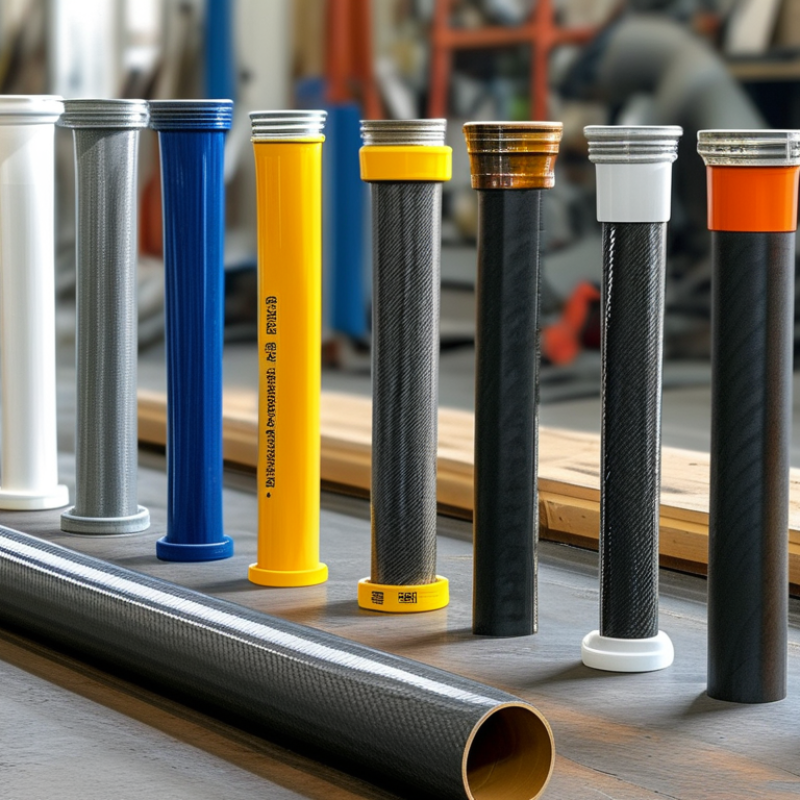
How to Choose the Right Carbon Fiber Pipe for Your Project?

Understanding Carbon Fiber Pipe Properties and Specifications

When selecting a carbon fiber pipe, understanding properties and specifications is essential. Carbon fiber pipes are known for their high strength-to-weight ratio. They often exhibit tensile strengths exceeding 600 MPa. This makes them favorable for various applications, including automotive and aerospace projects.

Flexural strength is another key property. Many carbon fiber pipes can withstand bending without losing integrity. For example, some reports indicate that flexural strengths can reach up to 1,200 MPa. This characteristic is crucial when the pipe experiences stress in its service environment.

Tip: Always consider the specific mechanical properties required for your project. Knowing the diameter and length of the pipe is equally important as the material strength specifications.

Additionally, the resin type used in manufacturing affects the overall performance. Epoxy resins are commonly used to enhance durability under extreme conditions. Some projects may require resistance to chemicals or high temperatures. Being aware of these requirements can avoid future issues.

Tip: Conduct a thorough needs analysis before the selection process. Reflecting on both short-term and long-term project goals will guide you in making a better decision.

Determining the Right Size and Dimensions for Your Needs

Choosing the right size and dimensions for carbon fiber pipes is crucial for any project. A study by the Composites Manufacturers Association shows that 70% of structural failures in projects occur due to improper sizing. Accurate dimensions ensure optimal performance, weight reduction, and cost efficiency.

When selecting pipe sizes, consider the application. Will it endure high pressure or temperature? The American Society for Testing and Materials (ASTM) recommends specific dimensions based on load requirements. For instance, a pipe designed for aerospace applications may need a smaller outer diameter but thicker walls for added strength.

It’s important to account for tolerances and environmental factors. Temperature changes can affect pipe dimensions. Regular adjustments might be necessary. Ironically, many projects face overruns due to miscalculating the actual needs. In precise fields, even a minor error can lead to significant delays and costs.

Evaluating Different Types of Carbon Fiber Pipe Applications

When selecting a carbon fiber pipe, understanding its applications is essential. Different projects require specific characteristics from the material. For example, aerospace applications demand high strength-to-weight ratios. Conversely, automotive applications prioritize durability and flexibility. Each application has unique performance criteria that must be met.

Tips: Always consider the environment in which the pipe will be used. Factors like temperature and exposure to chemicals can significantly affect performance. Choosing the wrong type can lead to failure or increased costs.

In marine settings, for instance, carbon fiber pipes are often subjected to corrosive environments. Using a pipe designed for this application can enhance longevity. However, it's crucial to evaluate the limitations. A pipe that works well in one scenario might not perform adequately in another.

Transparent communication with suppliers can uncover hidden details about pipe performance. Understanding the nuances of different carbon fiber types can prevent costly mistakes. Rely on trusted resources to guide your decision-making process.

Comparing Costs and Budget Considerations for Carbon Fiber Pipes

When budgeting for carbon fiber pipes, several factors come into play. The cost can vary significantly based on material quality, thickness, and length. High-performance pipes suitable for demanding applications tend to be pricier than standard options. Understanding the specific requirements of your project is essential. You might face trade-offs between budget constraints and performance needs.

Additionally, consider maintenance and longevity. Carbon fiber pipes often offer durability and resistance to corrosion. While the initial investment may be higher, the potential savings on maintenance can offset costs over time. However, not all applications warrant this investment. Thorough research into your project's needs can reveal whether opting for a carbon fiber solution is truly worthwhile.

Tracking fluctuations in material prices is crucial. The market can be unpredictable, and it may affect your budget. Engaging with suppliers for quotes can help establish a clearer financial picture. Reflect on how these factors align with your project's goals. A well-informed decision will ultimately drive success, but it requires careful consideration of costs and benefits.

Assessing Vendor Reliability and Quality Assurance Practices

When selecting a carbon fiber pipe, vendor reliability is crucial. Industry reports indicate that as much as 30% of composite material failures stem from poor vendor practices. It is vital to assess a vendor’s quality assurance protocols. Vendors should have well-defined procedures in place to monitor material integrity throughout the production process.

One important aspect is the testing and certification of materials. Not all vendors conduct thorough tests. A reliable vendor typically adheres to standards like ISO 9001, which ensures consistent quality. Furthermore, reviewing past projects can provide insight into a vendor’s reliability. Many projects have faced delays and failures due to vendor non-compliance with industry standards.

In addition, communication with vendors can reveal their approach to quality assurance. Engaging with them about their processes can help. A study showed that vendors who maintain open communication channels have a 25% higher satisfaction rate among clients. However, keep in mind that not all discussions about quality lead to clear answers. It's essential to weigh vendor responses critically.

How to Choose the Right Carbon Fiber Pipe for Your Project? - Assessing Vendor Reliability and Quality Assurance Practices

Parameter Description Importance Level Rating (1-5)
Material Quality Assess the composition and type of carbon fiber used. High 5
Manufacturing Process Evaluate the processes used in production and their impact on durability. Medium 4
Vendor Certification Check for ISO certification or other quality assurance certifications. High 5
Customer Reviews Look for feedback from previous clients regarding performance and reliability. High 4
Technical Support Availability of technical assistance and service post-purchase. Medium 3
Warranty Offered Extent and terms of warranty can reflect product reliability. Medium 4