
No Job is Too Big or Too Small!

How to Choose Steel Castings for Pumps Efficiently?

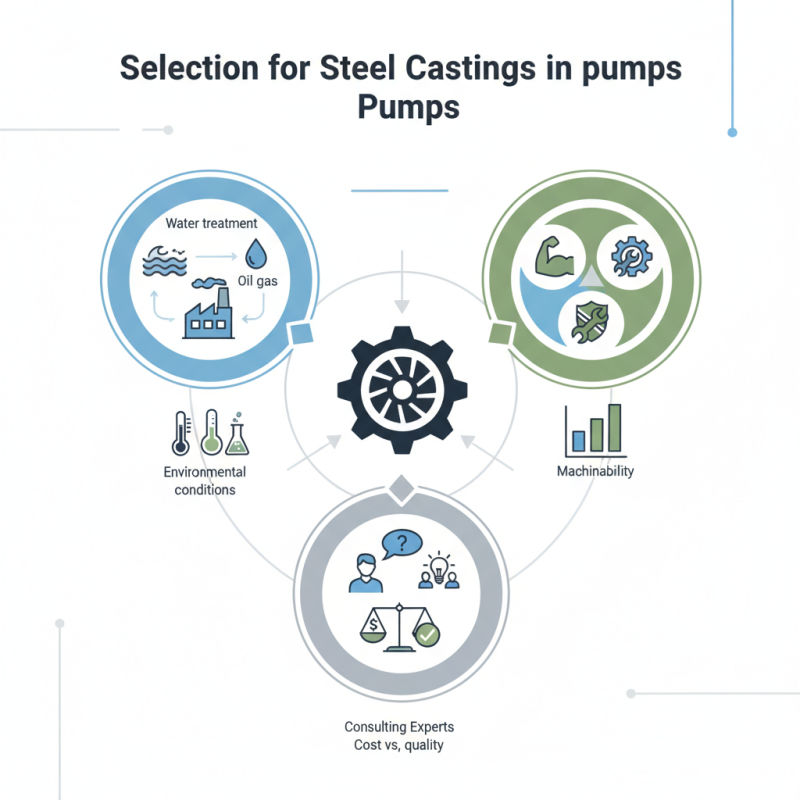
Choosing the right steel castings for pumps is essential for their efficiency and longevity. Steel Castings Pumps play a vital role in various industries, from water treatment to oil and gas. Each application demands specific characteristics, making the selection process crucial.

Understanding the properties of steel castings is foundational. Strength, corrosion resistance, and machinability are key aspects to evaluate. Consider the environmental conditions where the pumps will operate. This information can guide the selection process and prevent costly failures.

However, the decision-making process is often complex. Many overlook the nuances of different alloys. Such oversights can lead to suboptimal performance. It’s important to consult with experts in the field. Their insights can provide clarity and prevent common pitfalls. Balancing cost and quality remains a challenge, highlighting the need for thorough research.
How to Choose Steel Castings for Pumps Efficiently?

Understanding the Role of Steel Castings in Pump Efficiency

Steel castings play a crucial role in the efficiency of pumps. When selecting steel castings, it's vital to understand their impact on performance. Quality castings allow pumps to run smoothly and with less energy consumption. They help in minimizing wear and tear, extending the pump's lifespan. Choosing the right material can lead to significant savings on maintenance.

The design of the steel casting must match the pump's intended function. Each pump application has unique pressure and flow requirements. An improper casting can lead to inefficiencies, even failure in extreme cases. Factors like thermal properties and corrosion resistance should be taken into account. If overlooked, these issues could lead to unexpected downtime and repairs.

It’s essential to consider the manufacturing process of steel castings. Methods such as sand casting or investment casting each have their advantages and drawbacks. We must reflect on how these processes affect the final product's quality. Moreover, sourcing from reputable suppliers is non-negotiable. Not all foundries uphold the same standards. Quality matters in long-term efficiency, as inferior castings could compromise performance.

How to Choose Steel Castings for Pumps Efficiently?

Casting Type Material Properties Application Benefits Considerations
Gray Iron Excellent machinability, good wear resistance Centrifugal pumps, submersible pumps Cost-effective, good vibration dampening Limited tensile strength, susceptible to corrosion
Ductile Iron High strength, excellent ductility High-pressure pumps, wastewater management Greater toughness, higher fatigue resistance Higher cost compared to gray iron
Steel Alloys High tensile strength, corrosion resistance Chemical processing, high-temperature applications Durability, suitable for harsh environments More expensive, requires careful welding
Carbon Steel Good strength, low cost General industrial pumps, low-pressure applications Economical solution May rust, limited corrosion resistance
Stainless Steel Excellent corrosion resistance, high strength Food processing, pharmaceutical industries Hygienic, low maintenance Higher cost, inferior machinability

Identifying Key Material Properties of Steel for Pump Applications

Choosing the right steel casting for pumps requires a thorough understanding of material properties. Key properties, such as tensile strength, corrosion resistance, and hardness, play vital roles in performance. Pumps often operate under challenging conditions, making these attributes crucial. A tensile strength of at least 350 MPa is typically recommended for standard applications. Corrosion resistance can greatly impact the longevity of the pump, especially in harsh environments.

Different steel grades provide varying benefits. For instance, carbon steels are commonly used due to their affordability and ease of machining. However, they may lack the corrosion resistance needed for some applications. Alloy steels offer better performance under stress but can increase costs. It's essential to consider the specific environment where the pump will operate. Testing the steel against actual operating conditions can reveal its true reliability.

While selecting materials, reflection on past choices is important. An unsuitable material can lead to pump failure and costly downtimes. Evaluating the right balance between cost and performance is often a complex task. Continuous learning from previous experiences can help in making informed decisions. Engaging with industry experts can provide valuable insights that enhance the selection process.

Evaluating Different Types of Steel Casting Processes

When evaluating different steel casting processes for pumps, several factors come into play. The most common methods include sand casting, investment casting, and die casting. Each process has its own strengths and weaknesses. For instance, sand casting is cost-effective and versatile but may yield less precise dimensions. On the other hand, investment casting offers high accuracy and smooth finishes, but at a higher price point. According to the American Foundry Society, estimated costs for investment casting can exceed $3.00 per pound, while sand casting averages around $1.00 per pound.

Material choice is crucial in this evaluation. Steel quality affects durability and performance in pump applications. Selecting low alloy steel can enhance strength, but it may reduce ductility. Reports show that steel castings must meet specific mechanical properties to endure pressure and corrosion. Many manufacturers prefer ASTM A216 WCB steel for its reliable performance. However, it’s vital to analyze the intended operational environment.

Finally, it’s vital to keep in mind the limitations of each process. Some methods may lead to longer lead times. While striving for precision, manufacturers might encounter unexpected failures. Regular assessments of production processes can identify these issues early. Understanding these dynamics is essential for selecting the right steel casting for pumps efficiently.

Assessing Cost-Effectiveness and Quality Assurance in Steel Castings

Choosing steel castings for pumps involves a careful assessment of cost-effectiveness and quality assurance. The material's composition significantly impacts performance and longevity. A thorough understanding of steel grades is essential. Different alloys present varied levels of corrosion resistance and strength. Pump manufacturers often benchmark performance against industry standards. This practice can help in identifying the right casting for specific applications.

Cost-effectiveness does not solely hinge on the purchase price. Consider the long-term operational costs associated with maintenance and potential failures. Investing in higher-quality steel castings can lead to reduced downtime. However, be cautious of overestimating initial savings. Sometimes cheaper options result in catastrophic failures, leading to higher overall costs. Accurate comparisons require a clear view of total lifecycle expenses.

Quality assurance is paramount. Inspectors should examine the foundry processes and certifications. Engaging with certified suppliers can mitigate risks. Nonetheless, reliance on certifications alone is not foolproof. Regular audits and real-time monitoring can provide insights into manufacturing consistency. Inconsistent quality may go unnoticed until a failure occurs, which emphasizes the importance of proactive measures.

Cost-Effectiveness and Quality Assurance in Steel Castings for Pumps

Selecting the Right Supplier for Steel Castings in Pump Manufacturing

Choosing the right supplier for steel castings in pump manufacturing is crucial. Quality and reliability directly impact pump performance. The supplier’s experience in the industry can be a good gauge of their competence. A long track record often means proven results. However, it’s essential to look beyond just years in business.

Once a few suppliers are shortlisted, investigate their facilities. Are they equipped with modern technology? This can indicate their commitment to quality. Additionally, check their testing processes. A supplier should perform rigorous inspections to ensure the castings meet all specifications. Reviews and testimonials can provide insight into their service quality.

Tip: Establish clear communication with potential suppliers. This ensures they understand your specific needs. Don't hesitate to inquire about their sourcing of raw materials. Transparency is a sign of a reliable partner. A great supplier will also offer ongoing support and advice throughout the manufacturing process. Keep in mind that pricing should not be the sole deciding factor. Balancing cost with quality is critical.