
No Job is Too Big or Too Small!

How to Choose the Best Grounding Accessories in 2026?

Choosing the right Grounding Accessories in 2026 requires more than comparing prices or metal finishes. A grounding clamp may look solid in a product photograph, yet fail when corrosion, vibration, or poor contact increases resistance. The real question is practical: can the accessory maintain a dependable path under normal and fault conditions?

Electrical grounding specialist Dr. Andrew R. Hileman has emphasized that “a grounding system is only as effective as its weakest connection.” This principle remains useful. It directs attention toward clamps, bonding jumpers, grounding rods, connectors, inspection points, and protective coatings as one connected system. Each part matters.

This guide will examine how to select Grounding Accessories for residential, commercial, industrial, and renewable-energy installations. It will consider conductivity, mechanical strength, corrosion resistance, installation environment, compatibility, testing requirements, and recognized standards. Copper, stainless steel, galvanized steel, and alloy components do not perform identically in wet soil or chemically aggressive locations. Small differences become important.

Experience also teaches a less comfortable lesson: the most expensive accessory is not always the safest choice. A cheap connector is not automatically unsuitable either. Product claims need verification. Certifications, test data, installation instructions, and supplier reliability deserve careful review.

Some choices remain imperfect. Soil conditions can change. Installation quality can vary. Even a well-designed system requires inspection.

The following outline offers a clear method for comparing Grounding Accessories in 2026. It focuses on evidence, field conditions, and long-term performance rather than marketing language. Safety comes first. Reliability must be demonstrated.
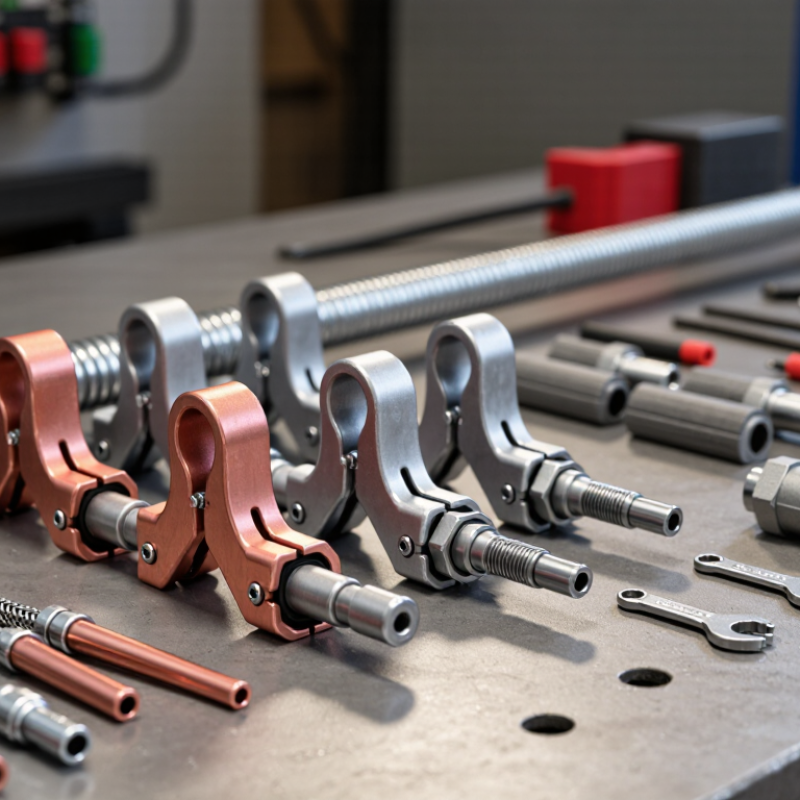
How to Choose the Best Grounding Accessories in 2026?

Understanding Grounding Accessories and Their Safety Functions

How to Choose the Best Grounding Accessories in 2026?

Understanding Grounding Accessories and Their Safety Functions

Grounding accessories create a controlled path for unwanted electrical current. Their purpose is simple, but their safety role is critical. When a fault occurs, a low-resistance path can help protective devices operate quickly. It can also reduce dangerous touch voltage near equipment. Bonding jumpers connect metal parts to maintain equal electrical potential. Grounding clamps secure conductors to rods, pipes, or structural steel. Earth bars organize multiple connections in one accessible location. Small details matter.

Choose components according to the system design, conductor size, environment, and maintenance plan. Check the accessory’s current capacity and material compatibility before installation. Outdoor copper connections may face moisture, soil chemicals, and corrosion. Indoor steel parts may require different protection. Compatibility matters. Use products tested against applicable electrical standards and follow installation instructions carefully. Proper torque is essential. Loose connections can heat under fault current and remain unnoticed for months. That risk deserves more attention than it often receives.

Safety also depends on inspection after installation. Look for corrosion, cracked insulation, loose hardware, and damaged labels. Measure continuity with suitable test equipment, not with visual checks alone. Do not assume a new connection is automatically reliable. A clean-looking clamp can still have poor contact beneath its surface. Keep records of test results, tightening checks, and environmental changes. One honest limitation remains: no checklist can predict every failure. Qualified professionals should review unusual installations, especially where lightning protection, sensitive electronics, or high fault currents are involved.

Assessing Site Requirements, Electrical Loads, and Environmental Conditions

How to Choose the Best Grounding Accessories in 2026?

Grounding accessories should match the site, not merely the equipment catalog. Begin with soil resistivity, available space, and the required grounding electrode system. Rocky soil may require deeper or alternative electrodes. Moist soil can improve conductivity but often increases corrosion risk.

Review the electrical load and prospective fault current. Grounding conductors, clamps, and bonding jumpers must withstand expected fault energy without loosening or overheating. Confirm conductor sizes against current electrical codes and project specifications. A small connection error can leave metal enclosures dangerously energized. It happens more often than expected.

Environmental conditions deserve equal attention. Coastal air, fertilizer, chemicals, standing water, and freeze-thaw cycles can damage exposed components. Select materials with suitable corrosion resistance and verify compatibility between connected metals. Direct burial accessories need strong mechanical protection. Outdoor installations also need secure covers and reliable water-shedding details.

Tips: Measure soil conditions when possible. Inspect existing bonds before adding new parts. Check torque values during installation. Photograph hidden connections. Ask a qualified electrical professional to verify the design.

Do not assume a larger accessory is automatically safer. Oversized parts may not fit correctly or create poor contact pressure. I have seen well-intended installations fail because the site assessment was rushed. Recheck the design after construction changes, especially when machinery, generators, or protective devices are added. Test continuity and grounding performance using appropriate instruments, then record the results for future inspections.

Comparing Grounding Materials, Designs, and Performance Standards

How to Choose the Best Grounding Accessories in 2026?

Comparing Grounding Materials, Designs, and Performance Standards

Grounding accessories must match the conductor, soil, climate, and installation method. Copper offers strong conductivity, but it can suffer from galvanic corrosion near dissimilar metals. Stainless steel performs well in harsh or coastal environments. Galvanized steel may reduce cost, yet its protective coating can weaken after cutting or repeated tightening. Small details matter.

Design affects long-term reliability. Select clamps with stable contact pressure, clear torque requirements, and enough adjustment for conductor movement. Smooth contact surfaces help reduce resistance. Drainage paths can limit trapped moisture. In field inspections, loose fasteners and poorly prepared surfaces appear more often than dramatic material failures. Do not guess.

Performance standards provide a useful comparison, not an automatic guarantee. Check whether accessories meet relevant requirements such as IEC 62561, IEEE 80, or local electrical codes. Review test conditions, including fault current, duration, corrosion exposure, and mechanical loading. A certificate without traceable test data deserves careful questioning. Soil resistivity testing should guide electrode and connection choices.

I would also verify installation instructions before purchasing. A technically excellent connector can underperform when installers lack the correct torque tool or surface preparation method. One practical weakness remains: laboratory testing cannot reproduce every soil condition. Reinspect accessible connections after installation, especially where moisture, vibration, or construction damage is likely. Reliability is built through material selection, controlled installation, and honest review of what the data cannot prove.

Selecting Compatible Accessories for Reliable Grounding Systems

How to Choose the Best Grounding Accessories in 2026?

Selecting compatible accessories is essential for a reliable grounding system. Every clamp, connector, rod, and bonding jumper must match the conductor material and size. Mixing incompatible metals can create corrosion and increase resistance over time. Check the manufacturer’s technical data, installation limits, and applicable electrical standards before purchasing. A low price is not useful if the part cannot withstand moisture, vibration, or fault current.

In field inspections, I look for more than visible tightness. The connection should have clean contact surfaces, correct torque, and protection against water entry. For example, a grounding clamp installed beside a damp foundation needs corrosion-resistant construction and stable mechanical pressure. Rod couplers must fit the rod diameter precisely. Cable lugs should match both the cable material and termination method. Small mismatches matter.

Measure twice.

I once overlooked a slightly oversized connector during a routine review. It passed a basic visual check but required replacement after testing. That mistake reinforced a practical lesson: compatibility should be verified before installation, not after failure. Keep records of conductor sizes, accessory materials, torque values, and test results. An independent inspection can reveal weak bonding points that installers may miss. Local codes may also require specific testing methods or qualified personnel. Field conditions are rarely perfect, so allow for thermal movement, soil changes, and future maintenance access.

How to Choose the Best Grounding Accessories in 2026?

Protective conductor sizing for selecting compatible grounding lugs, clamps, terminals, and bonding accessories

The chart applies the simplified protective-conductor sizing method from IEC 60364-5-54: the protective conductor is equal to the phase conductor up to 16 mm², 16 mm² for phase conductors from 16 to 35 mm², and half the phase-conductor area above 35 mm². Choose accessories that match the conductor material, cross-sectional area, installation environment, and applicable local regulations.

Checking Installation Quality, Maintenance Needs, and Long-Term Value

How to Choose the Best Grounding Accessories in 2026?

Checking Installation Quality, Maintenance Needs, and Long-Term Value

Grounding accessories should be judged after installation, not only at purchase. During a site inspection, I check clamps, lugs, bonding straps, and rods for proper alignment. Contact surfaces must be clean, tight, and free from paint or heavy oxidation. Use calibrated torque tools where manufacturers provide torque requirements. Then test electrical continuity with suitable instruments. A visual check alone can miss hidden resistance. Small details matter.

Maintenance needs depend on soil, moisture, pollution, and mechanical exposure. Inspect outdoor connections for rust, cracked insulation, loose hardware, and water entry. In coastal or industrial areas, inspections may need to happen more often. Keep clear records of test readings and repairs. Photos help compare changes over time. I have seen systems pass an early inspection, then deteriorate because nobody recorded the original condition.

Long-term value comes from stable performance and accessible maintenance. A low-cost accessory may become expensive when corrosion requires repeated replacement. Choose compatible metals, durable protective finishes, and parts that technicians can reach safely. Follow applicable electrical standards and installation instructions. Avoid mixing materials without checking galvanic corrosion risks. One practical mistake is selecting oversized components without considering connection space. Bigger is not always better. Review the design with a qualified electrical professional before installation, especially when fault-current requirements are uncertain.

How to Choose the Best Grounding Accessories in 2026? - Checking Installation Quality, Maintenance Needs, and Long-Term Value

A practical comparison of common grounding accessories. Actual performance depends on soil resistivity, conductor sizing, corrosion exposure, local electrical codes, and the complete grounding-system design.

Grounding Accessory Typical Materials Installation Quality Checks Maintenance Needs Typical Service-Life Considerations Long-Term Value Indicators Best Use Case
Grounding Electrode Rod Copper-bonded steel, galvanized steel, or stainless steel Verify the rod diameter and length against the design; drive it vertically where practical; protect the conductor connection from mechanical damage; confirm continuity and measure the completed electrode system with an approved test method. Inspect exposed connections for looseness, corrosion, and physical damage. Re-test after major electrical work, lightning events, or changes to the site. Strongly affected by coating thickness, soil chemistry, moisture, stray current, and mechanical damage. Stainless steel is generally preferred for highly corrosive environments when compatible with adjacent metals. Evaluate corrosion resistance, mechanical strength, availability, installation depth, and whether additional electrodes or bonding are required to meet the project target. Residential, commercial, utility, and industrial earthing systems where a driven electrode is permitted by local requirements.
Grounding Electrode Clamp Bronze, brass, stainless steel, or listed corrosion-resistant alloys Use a clamp listed for the electrode and conductor combination. Ensure clean contact surfaces, correct conductor placement, proper tightening, and protection from accidental loosening. Do not bury a connection unless it is approved for direct burial. Check for corrosion, thermal damage, soil movement, and loss of mechanical tightness. Accessible connections should be included in periodic visual inspections. Service life depends on alloy compatibility, coating quality, moisture exposure, and the quality of the mechanical connection. Mixed-metal contact can accelerate galvanic corrosion. A reliable listed connection often provides better lifecycle value than a low-cost clamp that requires frequent replacement or rework. Connecting grounding conductors to rods, pipes, structural steel, or other permitted electrodes.
Grounding Lug and Bonding Connector Tinned copper, copper alloy, aluminum-compatible alloy, or stainless steel Confirm compatibility with the conductor and equipment enclosure. Remove paint or oxidation only where required by the installation method; use the specified hardware and tightening torque; verify low-resistance continuity after assembly. Inspect panels, switchboards, cabinets, and equipment bonds during scheduled maintenance. Look for discoloration, overheating, corrosion, and loose hardware. Normally durable when correctly sized and protected. Exposure to vibration, heat, chemicals, and repeated maintenance can reduce connection reliability. Prioritize correct conductor range, vibration resistance, corrosion protection, clear markings, and easy access for inspection. Bonding equipment enclosures, doors, cable trays, panels, machinery, and structural components.
Exothermic Connection Weld metal, graphite mold, and compatible copper or steel conductors Confirm that the mold and weld material match the conductor sizes and metals. Keep surfaces clean and dry, follow the approved firing procedure, and visually inspect the completed joint for a complete, solid connection without cracks or excessive porosity. Usually requires little routine maintenance after a sound installation. Inspect during system audits for mechanical damage, exposed corrosion, or conductor deterioration. A properly completed connection can provide a permanent, low-maintenance joint, but installation quality depends heavily on preparation, mold condition, and operator training. Higher initial labor and safety requirements may be justified where buried joints, vibration, fault current, or long service intervals make mechanical retightening impractical. Permanent buried joints, grid intersections, high-current bonding, and locations where mechanical connections are difficult to access.
Grounding Inspection Pit Polymer concrete, high-strength plastic, concrete, or masonry Install with a stable base and drainage provisions; keep the cover flush and accessible; prevent standing water where possible; label the pit and ensure the connection can be safely inspected without disturbing the electrode. Remove debris, check the cover and frame, inspect the visible connection, and verify that water, soil settlement, or traffic has not damaged the assembly. Durability depends on UV exposure, vehicle loading, freeze-thaw cycles, chemical exposure, and drainage. Covers in traffic areas require an appropriate load rating. A well-designed pit reduces inspection labor and helps identify corrosion or loose connections before they affect system performance. Sites requiring accessible testing points, such as commercial facilities, substations, data centers, and lightning-protection systems.
Ground Enhancement Material Conductive concrete, bentonite-based compounds, graphite blends, or other approved conductive backfill Use only where permitted by the design and local requirements. Follow the specified moisture, mixing, placement, and compaction procedure. Confirm that the material will not create unacceptable corrosion or environmental effects. Check for drying, washout, settlement, exposure, and changes in soil conditions. Re-test the electrode system rather than assuming the backfill maintains a fixed resistance value. Performance varies with moisture retention, soil chemistry, freeze-thaw conditions, and installation quality. Some products require periodic assessment in dry or corrosive locations. Compare installed cost with drilling, additional electrode length, parallel electrodes, or a larger grounding grid. Do not select material based only on an advertised resistance reduction. High-resistivity soil or restricted sites where conventional electrode expansion is difficult or expensive.
Grounding Conductor and Flexible Bonding Strap Bare copper, tinned copper, copper-clad steel, or flexible braided copper Verify conductor cross-sectional area, routing, bend radius, support, separation from sharp edges, and connection security. Keep the path as direct as practical and bond all required metallic parts. Inspect for abrasion, corrosion, overheating, loose fasteners, and damage caused by vibration or movement. Flexible straps should not be sharply bent or used beyond their movement rating. Depends on current duty, mechanical movement, UV exposure, chemicals, and protection from physical damage. Tinned conductors can be advantageous in humid or marine environments. Proper sizing and robust routing reduce fault risk, nuisance failures, and future replacement work. The lowest purchase price may not provide the lowest installed cost. Equipment bonding, door bonding, cable-tray bonding, moving machinery, and vibration-prone installations.
Selection reminder: Ground resistance is a property of the complete electrode system and the surrounding soil, not of one accessory alone. Acceptance testing should use the method required by the applicable code, project specification, or authority having jurisdiction. Common verification activities include visual inspection, continuity testing, connection inspection, and electrode-system resistance testing.