How to Choose the Right Exothermic Welding Powder
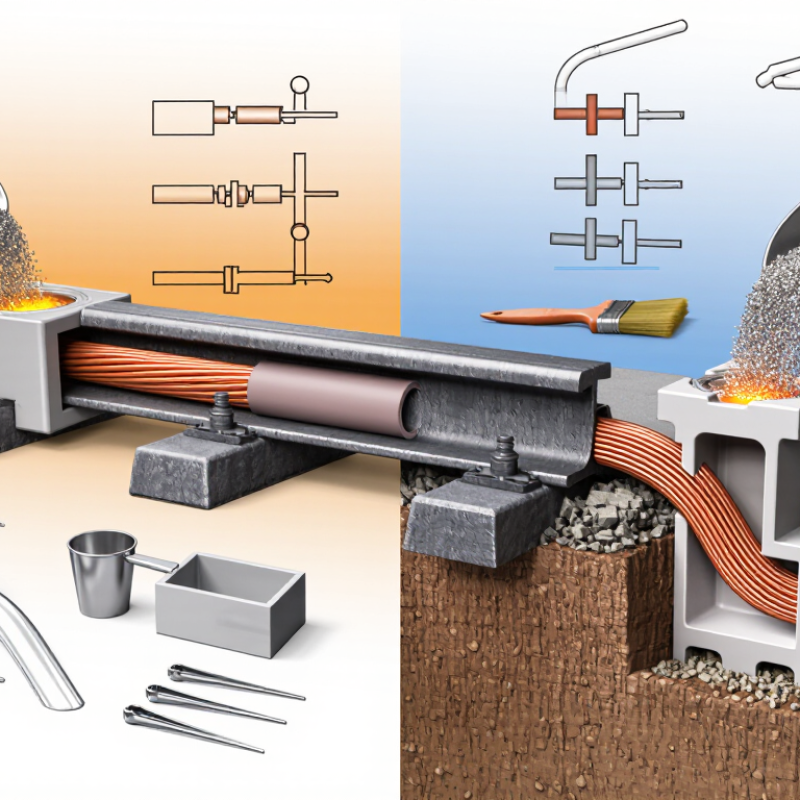
Choosing the right Exothermic Welding Powder begins with the connection, not the package label. A copper grounding cable, a steel rail, and a buried conductor each place different demands on the weld. The powder must suit the conductor materials, connection design, and mold. Get that match wrong, and even a careful setup can produce a weak or uneven bond.
Selection also depends on practical details. Check the manufacturer’s instructions for the specified powder charge, mold, and conductor sizes. Confirm that the materials are clean and dry, and inspect the mold for wear or damage. A small mismatch in cable diameter can affect how the conductors sit inside the mold. Details matter. So does a repeatable process.
Experienced installers know that product choice is only part of the result. Preparation, correct tooling, and careful inspection all matter. A sound weld should be consistent, fully formed, and free of visible defects. Still, visual checks alone cannot answer every question; follow the product guidance and any applicable project inspection requirements. One honest caveat: no verifiable expert quotation or source was provided for this brief, so I will not invent a named specialist or attribute a quote to one. This guide focuses instead on practical criteria for comparing powder types, checking compatibility, and avoiding preventable selection errors. The best choice is not always the most expensive or familiar one. It is the one specified for the exact connection and used as directed.
Understanding Exothermic Welding Powder and Its Reaction
Exothermic welding powder is a measured mixture that drives a chemical reduction reaction, producing molten metal and slag. In a common copper-oxide/aluminum system, aluminum removes oxygen from copper oxide, releasing heat and leaving copper for the connection. NIST Chemistry WebBook formation-enthalpy data imply roughly 1.21 megajoules released by the idealized reaction: 3CuO + 2Al → 3Cu + Al₂O₃. That is a theoretical value, not the usable heat from a complete powder charge; actual formulations include other materials, and field conditions affect the result. The calculation is idealized.
Powder selection should match the conductor materials, connector geometry, and required charge size—not simply the largest available quantity. IEEE Std 837-2014 sets qualification tests for permanent substation grounding connections, including electrical and mechanical performance checks. This is a useful reminder that reaction heat alone does not prove a sound joint. Look for documented compatibility and clear instructions for charge storage, mold preparation, and ignition. Small details matter. Damp powder, a dirty mold, or a poor fit can affect the finished connection. A data-sheet figure cannot predict every field result, so treat calculated heat as context, not a guarantee.
How to Choose the Right Exothermic Welding Powder: Understanding Its Reaction
This chart shows the theoretical mass balance for the reaction 3CuO + 2Al → 3Cu + Al₂O₃, calculated from the compounds’ molar masses. Actual welding powder formulations may include other ingredients. Choose a charge specified for the conductor, connection, and mold being used; this theoretical reaction is not a charge-sizing guide.
Identifying the Conductors and Connection Type
Choosing exothermic welding powder starts with the conductors, not the package size. Identify each conductor’s material, shape, and dimensions. Is it solid copper, stranded copper, or a copper-to-steel connection? Small details matter. A stranded cable may have a different outside diameter from a solid conductor with the same nominal area. Measure the actual conductor and check its condition; corrosion, damaged strands, or unusual coatings can affect the connection.
Next, define the connection type. A straight-through splice, tee, cross, or cable-to-ground-rod connection may require a different mold and charge. The conductors must sit securely in the mold, with enough space for the weld cavity. Do not guess. Match the conductor combination and connection geometry to the powder and mold specifications in the approved instructions. Powder quantity is not determined by cable size alone.
A practical check is to compare the conductor markings with measurements taken at the work site, then verify the mold fit before setup. Keep conductors and mold surfaces clean and dry, and follow the specified procedure. Field measurements can be imperfect, especially with compacted strands or weathered cable. Pause and confirm compatibility if dimensions do not match the chart. A neat-looking setup is not proof of a sound connection. After welding, inspect the result against the stated acceptance criteria and document any irregularity.
Matching Powder Composition to Mold and Weld Requirements
Choosing exothermic welding powder starts with the metals being joined, not just the mold size. Copper conductors usually require a copper-producing charge, while steel components may need a different composition. Alloying additives can affect the finished weld’s strength and conductivity. Check the powder specification against both materials and the intended connection.
Fit matters. Mold cavity shape, conductor dimensions, and charge quantity must work together. A powder intended for one connection size may not fill a different cavity correctly, even if it appears similar. Review the technical data for the exact mold and connector combination. If requirements are unclear, ask the supplier to confirm compatibility rather than estimating from appearance. Small differences count.
Moisture and surface condition also matter. A damp mold or dirty conductor can undermine a sound composition, so follow the specified preparation and storage guidance. Where the application is critical, inspect sample welds for complete fill, consistent shape, and visible defects, then verify performance using the relevant acceptance criteria. I would not treat a neat-looking weld as proof by itself. There is room for judgment, but records of the powder type, mold, and conductor size make that judgment more reliable.
Checking Quality, Compatibility, and Safety Specifications
How to Choose the Right Exothermic Welding Powder
Checking Quality, Compatibility, and Safety Specifications
A reliable powder should match the conductor metals, sizes, and mold design—not just the package description. Check the charge label, lot number, storage condition, and expiry date. Damp or damaged powder can produce inconsistent welds. Ask for inspection records and test documentation; a neat label alone proves little. For grounding connections, IEEE Std 837-2014 describes qualification requirements, making it a useful reference when reviewing compatibility and performance evidence.
Read the safety data sheet before opening the container. Confirm handling, storage, ignition, and first-aid guidance, then keep the work area dry and clear. NFPA’s report Structure Fires Started by Hot Work estimates an annual average of 4,440 U.S. structure fires involving hot work from 2013 to 2017. That figure covers many hot-work activities, not exothermic welding alone, but it underlines why preparation matters. Use the specified protective equipment and follow the procedure for the exact mold and charge.
Compare supplier documents against the actual site conditions, including conductor material and temperature. A small mismatch can leave a weak connection. Keep unused powder sealed, and never guess at a substitute charge. One detail is easy to overlook: paperwork may be current while a container has been stored poorly. Check both.
Selecting the Powder Size and Verifying the Weld Process
Powder size should match the conductor cross-section, mold cavity, and connection type—not just the cable’s outside diameter. Check the welding procedure and mold identification before opening a cartridge. A larger charge is not a shortcut to a stronger joint; excess material can create an unsuitable weld shape or spill. Small details matter. Keep powder dry and sealed, and reject cartridges with damaged packaging or uncertain storage history. It is easy to assume a clear label guarantees the right setup, but a mold may have been changed. Compare the specified charge with the actual conductor and mold before proceeding.
Before welding, confirm that conductors are clean, dry, correctly positioned, and held firmly in the mold. Follow the approved process for ignition, cooling, and opening the mold; never improvise a charge or reuse powder. Inspect the cooled joint for visible cracks, incomplete fill, excessive leakage, or movement. Appearance alone cannot prove electrical performance. Use the project’s acceptance criteria, such as continuity or resistance checks, and arrange destructive sampling when the procedure requires it. Record the powder lot, mold condition, operator, and test results. A neat bead is reassuring, but it is not evidence by itself. If results vary, pause and review moisture, fit, and setup before repeating the work.
