
No Job is Too Big or Too Small!

2026 How to Choose the Right Pu Foam Filler for Your Needs?

Choosing the right Pu Foam Filler can significantly impact your project’s success. According to industry expert Dr. Emily Carter, "Selecting the right foam isn't just a choice; it's a game-changer." This highlights the importance of making informed decisions when it comes to selecting a filler.

Pu Foam Fillers are popular in construction and insulation. Their versatility is appealing, but not all foams are created equal. Factors like density, expansion rate, and application method can influence performance. A little research can help avoid costly mistakes.

It’s crucial to understand personal needs before making a purchase. Consider project specifics, environmental factors, and compliance requirements. Missteps in choosing the wrong foam can lead to inefficiency and increased expenses. Always seek reliable sources and expert recommendations to guide your choice.
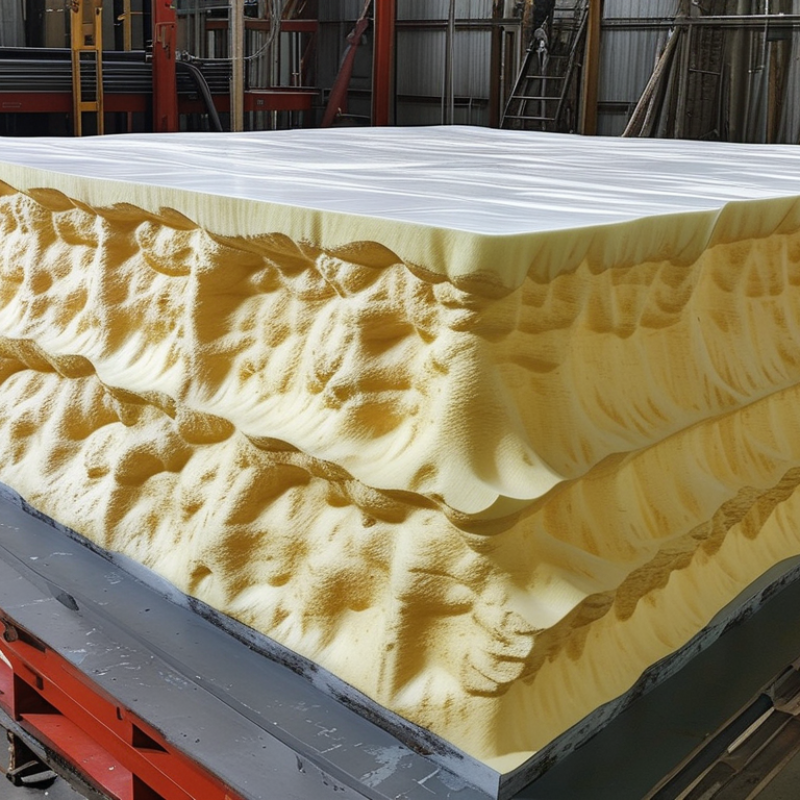
2026 How to Choose the Right Pu Foam Filler for Your Needs?

Understanding the Basics of PU Foam Fillers

PU foam fillers are essential in various applications, including construction and automotive industries. Understanding their types and properties is crucial for making informed choices. In 2021, the global polyurethane foam market was valued at approximately $58.69 billion, indicating strong demand. This growth is attributed to the versatility and insulation benefits of PU foam.

When selecting a PU foam filler, consider its density and thermal conductivity. Higher density foams provide better durability and insulation. Research shows that a 30 kg/m³ density foam is common for insulation. However, not all products perform equally. Some may off-gas harmful chemicals over time. Consumers should also check the fire safety ratings, as not all foam fillers meet stringent fire resistance standards.

Environmental factors are critical too. Many PU foams are derived from petroleum, raising concerns about sustainability. Always look for eco-friendly alternatives, such as water-based formulations. While they might be more expensive, their long-term benefits justify the cost for many applications. Keep in mind, some foams might not adhere well in humid conditions. Testing different options in your specific environment ensures optimal performance.

2026: How to Choose the Right PU Foam Filler for Your Needs?

This chart summarizes key characteristics of PU foam fillers to help you make informed choices. The data points represent average values across various types of PU foam, indicating how they can meet different needs based on density, strength, thermal insulation, sound insulation, and elongation properties.

Key Properties to Consider When Choosing PU Foam Fillers

When choosing the right PU foam filler, key properties are critical to your decision. First, consider density. Higher density foams, typically above 2 lbs/ft³, offer better durability and load-bearing capacity. This is vital for applications like insulation or structural support. Reports indicate that higher density foams reduce shrinkage and enhance thermal insulation by 20-30%.

Next, look at the compressive strength. This property defines how much force the foam can withstand without permanent deformation. A foam with a compressive strength of 30 kPa or greater is recommended for most construction applications. Materials with lower ratings might fail under pressure and cause issues.

Finally, factor in the acoustic properties. Some foams are designed specifically for sound absorption. Acoustic-rated PU foams can reduce sound transmission by up to 40%. However, using the wrong type of foam could lead to insufficient noise reduction. Reflect on the specific needs of your project to avoid costly mistakes in material selection.

2026 How to Choose the Right Pu Foam Filler for Your Needs? - Key Properties to Consider When Choosing PU Foam Fillers

Property Description Importance Typical Value
Density Indicates firmness and thermal insulation properties. High importance for load-bearing applications. 20-50 kg/m³
Thermal Conductivity Measures heat transfer through the material. Crucial for insulation purposes in buildings. 0.020 - 0.030 W/m·K
Compression Strength Ability to withstand mechanical loads. Very important for structural applications. 100 - 300 kPa
Water Absorption Sensitivity to moisture, affecting durability. Moderate importance for indoor applications. <5% saturation
Fire Resistance Resistance to flame spread and smoke generation. Essential for safety standards. Class B1 or higher

Different Applications of PU Foam Fillers in Various Industries

Polyurethane (PU) foam fillers serve diverse purposes across various industries. In construction, they provide insulation and soundproofing. According to a recent report, the global polyurethane market is expected to reach $80 billion by 2026. This growth highlights the importance of PU foam as an effective building material. Its versatile application allows for a tailored approach in meeting project requirements.

In the automotive sector, PU foam fillings are crucial for safety and comfort. They absorb impact during collisions, enhancing passenger protection. A survey revealed that 70% of new car models utilize PU foam for interior components. This statistic showcases the material's integral role in vehicle design. However, challenges persist in balancing cost and performance. Engineers often face tough decisions regarding material choices.

The furniture industry also heavily relies on PU foam for cushioning. It offers durability and comfort, making it a popular choice. A study indicated that about 60% of upholstered furniture uses PU foam fill. While it's clear that this material enhances the user experience, environmental concerns about production processes warrant reflection. The industry must focus on sustainable alternatives to reduce its ecological footprint.

Factors Influencing the Performance of PU Foam Fillers

When selecting a PU foam filler, understanding the factors that influence its performance is critical. The density of the foam plays a significant role in its insulation and cushioning capabilities. Higher density foams often provide better durability, but they may also be heavier and more expensive. In contrast, lower density options are lighter and more affordable but might not offer the same level of support.

Another essential factor is the cell structure of the foam. Open-cell foams are breathable, which makes them suitable for applications requiring ventilation. However, they may not be as effective in soundproofing. Closed-cell foams, on the other hand, resist moisture and provide better insulation. Choosing the right cell structure depends on your specific needs and environment.

Tips: Always test foam samples before making a purchase. Evaluate how each type performs in your intended setting. Be aware that not all foams are created equally. Research and compare properties to ensure your choice aligns with your project requirements. Consider your budget, as performance correlates with price. Reflect on both immediate and long-term needs to find the best fit.

Tips for Proper Installation and Usage of PU Foam Fillers

Proper installation and usage of PU foam fillers can significantly impact thermal insulation and soundproofing in your projects. Research shows that these fillers can reduce energy costs by up to 25% when applied correctly. However, many users overlook key installation tips that enhance their effectiveness. For instance, it is crucial to apply PU foam in temperatures above 60°F to achieve optimal expansion. Cold temperatures can result in under-expansion, leading to incomplete filling and reduced insulation.

Another common mistake is not shaking the canister before use. This step ensures a uniform mix of components, which can prevent issues like inconsistent application. When applying the foam, maintain a distance of about 12 inches from the surface. This helps in achieving an even spread and better adhesion. Additionally, let the foam cure for at least 24 hours before trimming or covering it. This waiting period is essential for the foam to expand fully and attain its intended properties.

Finally, safety precautions should not be ignored. Always wear gloves and safety goggles when handling PU foam. Skin contact can cause irritation, and proper ventilation is crucial to avoid inhaling fumes. While PU foam is a versatile solution, understanding the nuances of installation can lead to better outcomes. Reflecting on previous projects can offer insights into what went wrong and what went right. Proper installation is not just about applying foam; it's about ensuring durability and efficiency in your work.