What is Clear Structural Silicone Sealant and Its Uses?
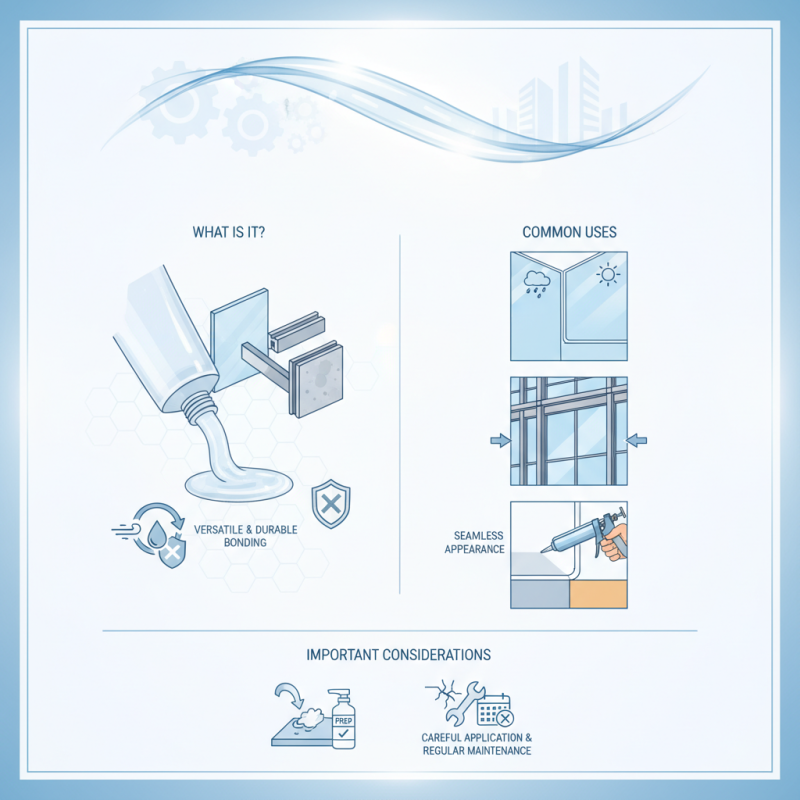
Clear Structural Silicone Sealant is a versatile and essential product in various construction and repair projects. This high-performance sealant provides exceptional bonding and durability, making it a preferred choice for both professionals and DIY enthusiasts. Its clear formulation allows it to blend seamlessly with different materials, preserving the aesthetic appeal of any application.
In building and construction, Clear Structural Silicone Sealant is often used for sealing joints in glass, metal, and other surfaces. It is especially beneficial in environments exposed to harsh weather conditions. This sealant rises to the occasion, providing reliable protection against water and air penetration. However, one must consider the preparation of surfaces for optimal adhesion. Inconsistent application may lead to future issues, such as peeling or failure to maintain a seal.
Understanding the proper applications and limitations of Clear Structural Silicone Sealant is crucial. While it proves effective in many situations, improper use can undermine its effectiveness. Therefore, careful application and regular maintenance are essential for ensuring longevity.
Definition and Composition of Clear Structural Silicone Sealant
Clear structural silicone sealant is a versatile adhesive widely used in construction and glazing. Composed primarily of silicone polymers, it offers remarkable flexibility and durability. Its resistance to UV rays, moisture, and temperature fluctuations makes it suitable for both indoor and outdoor applications. The unique formulation allows for excellent adhesion to numerous substrates, including glass, metal, and plastic.
Industry reports indicate that the demand for silicone sealants is expected to grow significantly. According to a market analysis by Freedonia Group, the global silicone sealant market reached $2 billion in 2022 and is projected to continue expanding. This growth reflects the increasing use of clear structural silicone sealants in commercial and residential structures, emphasizing their importance in modern construction.
However, using clear structural silicone sealant is not without challenges. Proper surface preparation is crucial for optimal adhesion. If surfaces are contaminated or improperly cleaned, it can lead to bond failures. Users should also be aware of the curing process, which may vary based on environmental conditions. Understanding these nuances can prevent costly mistakes and improve project outcomes.
Key Properties and Benefits of Clear Structural Silicone Sealant
Clear structural silicone sealant is a versatile material widely used in construction and manufacturing. Its key properties make it an excellent choice for various applications. One notable feature is its strong adhesion. It bonds well to glass, metal, and plastic surfaces. This allows for seamless integration in window installations or glass facades.
Another significant benefit is its flexibility. Clear structural silicone can withstand movement and thermal expansion. It performs well in fluctuating temperatures, making it suitable for outdoor environments. This resilience is crucial in areas prone to weather changes. Additionally, its UV resistance ensures longevity, preventing degradation over time.
The clarity of this silicone sealant is also noteworthy. It maintains transparency and does not yellow with age. This makes it ideal for aesthetic applications, such as securing glass panels. However, challenges may arise with application precision. Air bubbles can form during the sealing process. Attention to detail is essential to ensure a flawless finish. Thus, while clear structural silicone offers numerous advantages, careful application is vital for optimal results.
What is Clear Structural Silicone Sealant and Its Uses? - Key Properties and Benefits of Clear Structural Silicone Sealant
| Property | Description | Benefit |
| Transparency | Clear appearance that blends with surfaces | Aesthetically pleasing for glass and architectural uses |
| Durability | Resistant to weathering, UV light, and high temperatures | Long-lasting seals that reduce maintenance costs |
| Flexibility | Adapts to movement and stress in building materials | Prevents cracking and damage in structural joints |
| Chemical Resistance | Resistant to a variety of chemicals and pollutants | Reliable for use in industrial and urban environments |
| Application Versatility | Suitable for a range of surfaces including metals, glass, and plastics | Flexible options for various construction and repair projects |
| Cure Time | Typically cures at room temperature | Easy installation with predictable curing times |
Common Applications of Clear Structural Silicone Sealant in Construction
Clear structural silicone sealant is widely used in construction. Its versatility makes it ideal for various applications. High-rise buildings often use silicone to secure glass façades. It withstands temperature fluctuations, providing flexibility and durability. A study by the Adhesive and Sealant Council reveals that 32% of construction projects utilize silicone sealants for structural applications.
In façade systems, it creates a weather-tight seal, enhancing insulation. Moreover, silicone is crucial for bonding insulated glass units. In these setups, it contributes to energy efficiency. Research shows that proper sealing can reduce energy losses by up to 15%. In bathrooms and kitchens, silicone prevents water damage, safeguarding the integrity of structures.
Tips: Always ensure surfaces are clean and dry before application. Proper curing time is vital for performance. Monitor sealant condition regularly; early detection of wear can prevent costly repairs. When using clear silicone, consider the aesthetic appeal alongside functionality.
Installation Techniques for Clear Structural Silicone Sealant
Installing clear structural silicone sealant requires attention to detail. Proper surface preparation is crucial. Surfaces should be clean, dry, and free of contaminants. Use a scrub brush or a cloth with a suitable cleaner to remove dust and oils. Even small residues can compromise the sealant's adhesion.
Once prepared, the application can begin. Cut the sealant tube at a 45-degree angle for optimal flow. A caulking gun ensures even application. Aim for a consistent bead size to maintain aesthetics and performance. Press the sealant firmly into the joint, allowing it to fill gaps fully. Lightly smooth the sealant with a tool or your finger. This step can be tricky, as too much pressure may distort the seal.
Allow the silicone to cure undisturbed as per the manufacturer’s instructions. Factors like humidity and temperature can affect curing times. Be patient during this stage; rushing can lead to uneven surfaces or weak bonds. Reflect on the installation process afterward, addressing any issues noted during application. This not only improves results for future projects but enhances your skill set as well.
Maintenance and Performance Expectations for Structural Silicone Sealant
Structural silicone sealant is widely used in construction and architectural projects. Its performance is critical for durability and aesthetics. Regular maintenance helps ensure longevity. This sealant is not completely foolproof. Factors like UV exposure and temperature changes can affect its integrity over time.
Proper application techniques can greatly enhance performance. It is essential to follow guidelines during the installation process. Inadequate surface preparation can lead to adhesion failures. Application in extreme temperatures may also hinder effectiveness. Regular inspections can help identify issues early. Small cracks can be repaired quickly, preventing larger problems.
Understanding the limitations of structural silicone sealant is crucial. While strong, it may require replacements sooner than expected if not maintained properly. This sealant performs best when used in suitable conditions. Monitoring it allows for timely repairs, ensuring lasting performance. Ignoring maintenance might lead to more significant structural issues in the future.
