
No Job is Too Big or Too Small!

Why Choose CNC Machining Services for Your Global Sourcing Needs?

In today's competitive market, many companies turn to CNC machining services to meet their global sourcing needs. According to Megan Thompson, a renowned specialist in precision engineering, "CNC machining services offer unmatched accuracy, driving innovation across industries." This statement underlines the critical role of CNC machining in achieving high-quality production.

CNC machining services provide flexibility and efficiency. They allow businesses to respond quickly to market demands. Customization options enable companies to create tailored products. However, not all service providers are equal. It's essential to choose a reliable partner with a proven track record. Conducting thorough research can help identify the right expertise.

The journey of selecting CNC machining services may not be perfect. There is a learning curve, and some organizations may face initial challenges. Yet, the benefits, including cost reduction and improved turnaround times, often outweigh the drawbacks. Investing in quality CNC machining services can lead to long-term success and innovation.
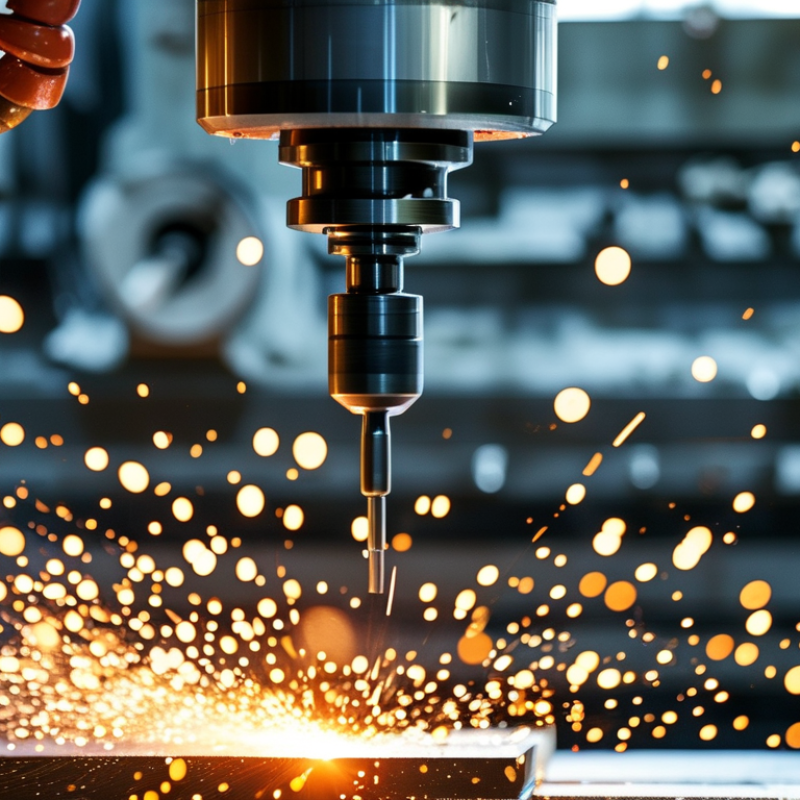
Why Choose CNC Machining Services for Your Global Sourcing Needs?

The Benefits of CNC Machining in Global Sourcing

CNC machining services are becoming increasingly popular for global sourcing needs. According to a recent industry report, the global CNC machining market is expected to grow at a CAGR of 6.3% from 2021 to 2028. This growth is driven by the efficiency and precision that CNC machining offers. The ability to produce complex parts with tight tolerances makes CNC machining a superior choice for many manufacturers.

One significant benefit of CNC machining is its adaptability. Industries ranging from automotive to aerospace rely on customized parts. A study from the American Society of Mechanical Engineers highlights that 65% of manufacturers cite customizability as a key advantage of CNC. However, sourcing from various global suppliers can introduce challenges. There is a constant need to balance cost with quality. Not all suppliers provide the same level of precision or service.

Moreover, the quick turnaround time in CNC machining enhances supply chain flexibility. Reports suggest that companies can reduce lead times by up to 40% when utilizing CNC services. This can lead to a competitive edge. However, it is essential to ensure that the selected CNC provider meets stringent quality standards. Understanding quality certifications, such as ISO 9001, is crucial. This can be a complex task, but it is necessary for maintaining the integrity of the sourcing process.

Understanding CNC Machining: A Comprehensive Overview

CNC machining is a highly precise manufacturing process that creates parts from various materials. It utilizes computer-controlled machines to perform tasks such as milling, turning, and drilling. According to a 2022 report by Grand View Research, the global CNC machining market size is expected to reach $100 billion by 2028, indicating strong demand.

The appeal of CNC machining lies in its ability to produce complex designs with high accuracy. This process minimizes human error and can operate around the clock, leading to reduced production costs. Moreover, CNC machines are adaptable to various materials, including metals, plastics, and composites. The industry is evolving, with advances in automation and robotics, enhancing efficiency further.

When sourcing CNC machining services, focus on quality certifications and process capabilities. Look for manufacturers that emphasize quality control. It helps to check for ISO certifications as they reflect adherence to international standards. Ensure the vendor supports rapid prototyping to streamline product development.

Consider engaging with multiple suppliers to gauge capabilities. Some may excel in specific areas but lack versatility. Enhance your sourcing strategy by identifying firms with a strong technical background. Their expertise can significantly influence your project's success.

Cost Efficiency: How CNC Machining Reduces Manufacturing Costs

CNC machining has emerged as a cost-effective solution for manufacturers seeking global sourcing options. According to a report by the American Machining Association, CNC machining can reduce production costs by up to 30% compared to traditional methods. This efficiency comes from the technology’s ability to streamline processes and minimize material waste. Precision machining ensures that parts are produced with exact specifications, reducing errors and rework that can accrue additional expenses.

Incorporating CNC machining also allows for higher production speed. Research indicates that CNC machines can operate continuously without fatigue, which enhances productivity. However, the initial investment in CNC technology can be daunting. Yet, many organizations report a return on investment within a year due to lower operational costs.

When choosing a CNC machining service, consider these points. Look for a provider with certifications that ensure quality and reliability. Check for customer reviews and feedback to gauge their performance. A well-chosen partner can offer tailored solutions that fit your specific needs, mitigating risks and enhancing your supply chain efficiency. Crafting a detailed project outline can also help avoid costly revisions, ultimately saving time and expense.

Quality Control: Ensuring Precision Through CNC Machining

CNC machining services have risen to prominence in global sourcing due to their ability to maintain strict quality control. The precision of CNC machining allows manufacturers to produce intricate parts with exact specifications. This high degree of accuracy ensures that components fit together seamlessly, reducing the likelihood of costly rework. Each piece can be crafted with tight tolerances, essential for industries such as aerospace and automotive.

However, ensuring quality control is not without challenges. Variations in raw materials and machine calibration can lead to inconsistencies. Regular inspections and maintenance are crucial to minimize such risks. Implementing thorough quality assurance protocols can elevate the reliability of the machining process. This often involves multiple checks throughout production, including dimensional inspections and functionality tests.

Skilled operators are vital to the success of CNC machining. Training these professionals requires time and investment. Yet, their expertise greatly impacts the final product's quality. Attention to detail during the setup and operation of CNC machines is imperative. Continuous improvement through feedback can help identify areas needing refinement. Understanding and addressing these challenges can enhance the overall reliability of CNC machining services in global sourcing.

Quality Control in CNC Machining Services

Comparing CNC Machining with Traditional Manufacturing Methods

CNC machining has gained traction in recent years, especially when compared to traditional manufacturing methods. Traditional processes often involve slower setup times and higher labor costs. For instance, a study by the American Society of Mechanical Engineers reported that CNC machining can reduce production time by approximately 75% when compared to manual machining methods. This speed is crucial for global sourcing needs, where time is often of the essence.

Moreover, CNC machining offers unparalleled precision. According to a report from the National Institute of Standards and Technology, CNC machines can achieve tolerances of up to ±0.005 inches. This level of accuracy is difficult to replicate with traditional methods. Companies looking to maintain strict quality control benefit greatly from this consistency. However, it's important to acknowledge that not every component is well-suited for CNC machining. Some complex geometries may require additional labor or more intricate setups.

The adaptability of CNC machining is also noteworthy. It can handle a variety of materials, from metals to plastics. This versatility can lead to cost savings but may pose challenges in material selection. Understanding the properties of each material is essential for optimal outcomes. In a world where sourcing strategies are continuously evolving, companies must weigh the benefits of CNC machining against the complexities it can introduce to their supply chains.