10 Essential Tips for Choosing the Right Plastic Cap for Your Needs
In the ever-evolving world of packaging, selecting the right plastic cap is crucial for ensuring product integrity and user convenience. As noted by industry expert Dr. Emily Sanders, "The right plastic cap not only protects the contents but also enhances the overall user experience." With a myriad of options available, from different materials to various designs, making an informed choice can be overwhelming.
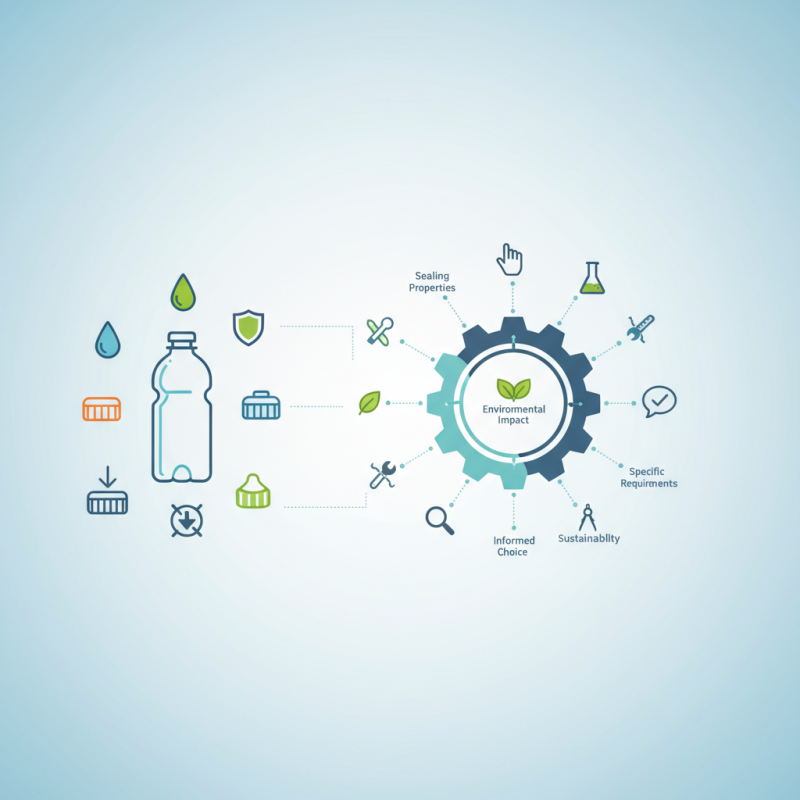
Understanding the specific requirements of your product is the first step toward selecting an appropriate plastic cap. Factors such as compatibility with the contents, sealing properties, and usability play vital roles in this decision-making process. Additionally, considering environmental impact and sustainability can further influence the choice, as more consumers demand eco-friendly packaging solutions.
By focusing on key aspects such as functionality, design, and material, you can streamline the selection process and find a plastic cap that meets your needs perfectly. This guide will delve into essential tips and considerations to help you navigate the complex landscape of plastic caps, ensuring you make the best choice for your products and customers alike.
Understanding the Different Types of Plastic Caps Available
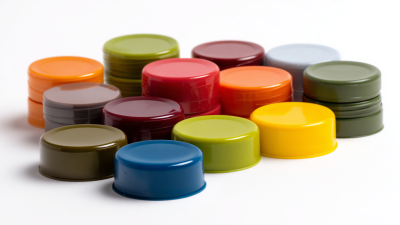
When selecting the right plastic cap for your product, it’s essential to understand the various types of plastic caps available on the market. The two primary categories include snap-on caps and screw-on caps, each serving different purposes depending on the nature of the contained substance. According to the Plastic Closure Manufacturer Association (PCMA), snap-on caps are typically favored for their convenience and ability to provide a secure seal without the need for threaded designs. In contrast, screw-on caps are often preferred for products that require a more robust closure, particularly in industries dealing with high-pressurization, such as carbonated beverages.
Furthermore, the material composition of plastic caps is a critical factor to consider. Common materials include polyethylene (PE) and polypropylene (PP), both recognized for their durability and resistance to various chemicals. Research from the American Chemistry Council indicates that PP is often used for hotter filling processes owing to its higher melting point, which helps maintain product integrity. Understanding these differences not only assists in optimizing product packaging but also contributes to regulatory compliance and sustainability efforts, as certain materials allow for easier recycling processes, which is increasingly prioritized in today’s eco-conscious market.
10 Essential Tips for Choosing the Right Plastic Cap for Your Needs
Factors to Consider When Selecting Plastic Caps for Your Product
When selecting plastic caps for your product, several critical factors come into play that can significantly influence performance and usability. Firstly, consider the material used in the cap's construction. Different plastics offer varying degrees of durability, chemical resistance, and flexibility. For instance, polypropylene is popular for its robust resistance to various chemicals, making it ideal for containers that store potentially corrosive substances. Additionally, you should evaluate the cap's compatibility with the product it will seal. This ensures a perfect fit and prevents unwanted leakage or contamination.
Another vital factor is the cap's closure mechanism. Choose between screw-on, snap-on, or flip-top options depending on your product's requirements. A secure closure can extend shelf life and support user convenience, while an easy-opening mechanism can enhance customer satisfaction. Additionally, think about the size and design of the cap in relation to your packaging. A well-designed cap contributes not only to the overall aesthetic but can also improve user experience. Finally, consider the environmental impact of your choice; opting for recyclable materials or sustainable production practices can resonate with eco-conscious consumers.
Assessing Compatibility Between Caps and Container Materials
When selecting the right plastic cap for your container, assessing compatibility between the cap and the container's material is paramount. Different plastics interact uniquely; for instance, polypropylene caps may not be suitable for certain types of polyethylene containers. Understanding the materials involved ensures that the cap will create an effective seal, preventing leakage and preserving the contents within.
One essential tip is to conduct a material compatibility test. This can involve checking the chemical resistance of the cap against the contained substance. For example, if you are packaging a corrosive liquid, opt for caps made from resistant materials that will not degrade over time.
Another crucial factor is the temperature range of both the cap and container. Ensure that the chosen cap can withstand the same thermal conditions as the container, especially if the product will be subjected to heat or cold. Additionally, consider the method of application; some caps are designed for specific sealing mechanisms, and selecting one that matches your container can greatly enhance performance.
Evaluating Cap Functionality: Sealing, Dispensing, and Safety Features
When selecting the right plastic cap for your needs, it is crucial to evaluate its functionality, including sealing, dispensing, and safety features. A cap's primary role is to provide a secure seal that preserves the integrity of the contents it protects. Consider whether the cap creates an airtight or watertight seal, as this can significantly influence the longevity and quality of the product inside. Additionally, look for caps that are designed to withstand varying temperature conditions, especially if the product will be stored in extreme environments.
Dispensing features are another essential consideration. Some applications require precision pouring or controlled dispensing, making features like spouts or flip-top designs advantageous. Assessing the flow rate and ease of use can help determine how effectively the cap meets your dispensing needs. Finally, prioritize safety features such as tamper-evident seals and child-resistant designs, which are vital for ensuring consumer protection. These aspects not only enhance user confidence but also comply with industry safety standards.
Sustainability and Environmental Impact of Plastic Cap Choices
When selecting a plastic cap for your needs, sustainability should be at the forefront of your decision-making process. The environmental impact of plastic production and disposal is a critical concern, as the plastic industry accounts for approximately 8% of global greenhouse gas emissions, according to a 2021 report from the International Energy Agency. With increasing pressure to reduce this footprint, choosing caps made from recycled or biodegradable materials can significantly mitigate environmental harm.
A key tip is to prioritize caps made from post-consumer recycled (PCR) plastics. Using PCR not only diverts waste from landfills but also reduces the demand for virgin plastic production, which is energy-intensive and polluting. According to a study published in the Journal of Cleaner Production, adopting PCR materials can lead to a reduction in carbon emissions by up to 60% compared to virgin materials. Additionally, consider caps designed for recycling, such as those that remain attached to their containers to prevent them from being discarded separately—a common source of plastic waste.
Moreover, opting for manufacturers that commit to sustainable practices can enhance the environmental benefits of your choice. Many companies are now focusing on closed-loop systems, where plastic caps are recycled back into new products, thus encouraging a circular economy. By making informed choices about the sourcing and lifecycle of plastic caps, you can play a crucial role in reducing environmental impact and promoting sustainability in packaging.
10 Essential Tips for Choosing the Right Plastic Cap for Your Needs - Sustainability and Environmental Impact of Plastic Cap Choices
| Tip Number |
Tip |
Sustainability Factor |
Impact on Environment |
| 1 |
Choose Biodegradable Materials |
High |
Reduces landfill waste |
| 2 |
Opt for Recycled Plastics |
High |
Decreases new plastic production |
| 3 |
Evaluate Cap Design for Reusability |
Medium |
Encourages sustainable consumption |
| 4 |
Consider Life Cycle Analysis |
High |
Identifies overall environmental impact |
| 5 |
Research Manufacturer Sustainability Practices |
Medium |
Supports ethical production |
| 6 |
Choose Caps with Minimal Packaging |
High |
Reduces waste and resource use |
| 7 |
Select Caps that Meet Recycling Standards |
High |
Facilitates recycling efforts |
| 8 |
Avoid Single-Use Caps |
High |
Significantly reduces plastic waste |
| 9 |
Consult with Suppliers about Alternatives |
Medium |
Promotes innovative solutions |
| 10 |
Stay Informed about New Materials |
Medium |
Enables informed decision-making |