
No Job is Too Big or Too Small!

10 Essential Tips for Successful CNC Lathe Machining?

CNC Lathe Machining is a critical process in modern manufacturing. It involves precision shaping of materials, often metal, into various components. Mastering this technique requires both skill and knowledge. Understanding the intricacies of CNC lathe machines can significantly enhance production quality. However, many new machinists often face challenges in achieving the desired results.

Working with CNC machines demands close attention to detail and a solid grasp of programming. A single error can lead to wasted materials and time. Experience plays a vital role in refining techniques and improving outcomes. Each component requires unique approaches, and there's no one-size-fits-all solution. Mistakes can happen, often when least expected. Learning from these experiences can lead to better practices.

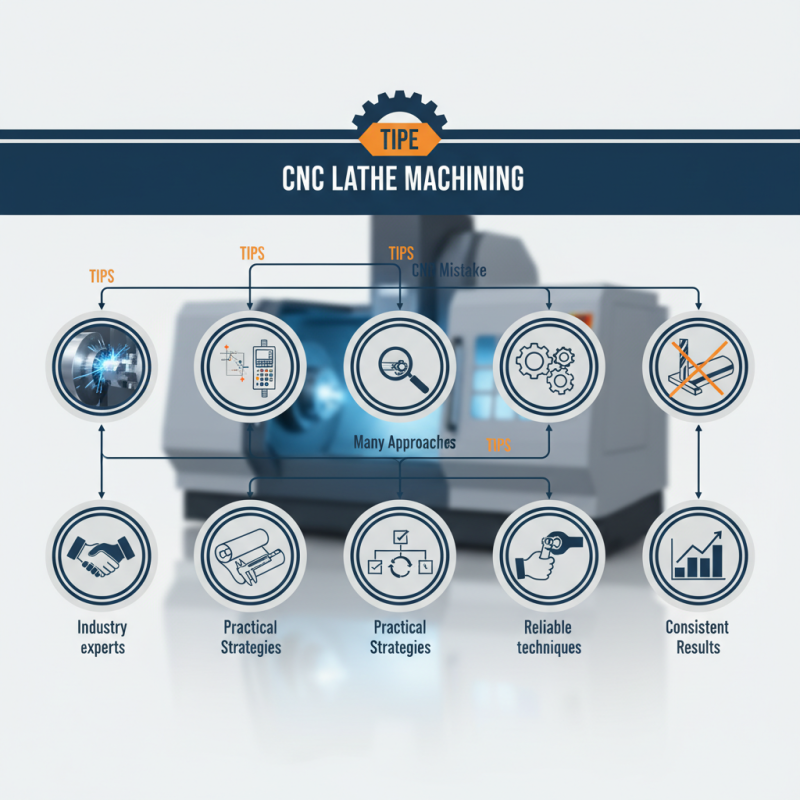
In this guide, we will explore essential tips for successful CNC Lathe Machining. These insights draw from industry experts and seasoned machinists. Emphasizing practical strategies, we aim to help you navigate the complexities of CNC lathe operation. By focusing on reliable techniques and best practices, you can elevate your machining capabilities and achieve consistent results.
10 Essential Tips for Successful CNC Lathe Machining?

Understanding the Basics of CNC Lathe Machining Techniques

CNC lathe machining is an intricate process that requires a solid understanding of basic techniques. Mastering these fundamentals is crucial for achieving precision in manufacturing. The core of CNC lathe machining lies in its ability to create symmetrical parts through controlled rotation. Operators must familiarize themselves with tool paths and cutting speeds. Small adjustments can have significant impacts on the final product.

Precision is essential, but it often comes with challenges. For example, selecting the right material can affect tool wear and finished quality. Some materials may require specific cutting techniques. Even seasoned machinists can occasionally overlook small details, leading to errors. It's important to maintain an awareness of these nuances to improve outcomes.

Continuous learning is vital in this field. As technology evolves, so do the tools and techniques used in CNC machining. Understanding the latest advancements can enhance capabilities and efficiency. Yet, this can sometimes be overwhelming. Operators are encouraged to seek education and training opportunities. Reflecting on past mistakes can also lead to significant improvements in skills and processes.

Essential Components of a CNC Lathe and Their Functions

CNC lathes are vital in modern machining, featuring essential components that drive efficiency and precision. The spindle is one such component, responsible for rotating the workpiece at varying speeds. According to industry reports, optimal spindle speed can significantly enhance surface finish and machining accuracy. For instance, a spindle exceeding 1,500 RPM can improve productivity in metalworking applications, but can also cause vibrations if not managed properly.

Another critical component is the tool holder. This interacts directly with the cutting tool and ensures stability. A poorly secured tool can lead to inaccurate cuts and damaged materials. Studies show that over 30% of machining errors are linked to inadequate tool hold. Understanding the importance of precise tool setting is crucial. Furthermore, the CNC controller interprets programmed instructions to execute machining operations. It is the brain of the CNC lathe, but without proper programming, issues such as over-travel and tool collisions can occur.

These components illustrate the intricate balance required in CNC lathe machining. While technology has advanced significantly, operators must continually review and refine their techniques. Regular training and updated knowledge are necessary to remain competitive. Each element plays a role; neglecting any can jeopardize the entire operation.

Key Factors Affecting CNC Lathe Machining Precision

CNC lathe machining precision is crucial in manufacturing. Several key factors influence this precision. Understanding these can enhance the quality of work. One vital aspect is the tool selection. The right tool must match the material and the desired finish. Using a worn or inappropriate tool can lead to inaccuracies. Regular inspection of tools is necessary for consistent results.

Another important factor is the machine calibration. Regular calibration ensures that the CNC lathe operates within desired parameters. Even minor deviations can result in significant output issues. Operators should also monitor machine performance closely. Small changes, such as vibrations or temperature fluctuations, can affect precision.

Environmental conditions play a role too. Dust, temperature, and humidity can impact machining outcomes. Maintaining a clean and controlled environment helps minimize variability. Some machinists overlook these details, which can lead to unexpected errors. Awareness and constant evaluation can aid in achieving higher precision. Understanding these factors empowers machinists to improve their processes.

10 Essential Tips for Successful CNC Lathe Machining

Best Practices for Tool Selection and Setup in CNC Lathe Operations

Tool selection and setup are crucial in CNC lathe operations. Choosing the right tool can significantly impact the quality of the finished product. Consider material compatibility first. The tool must match the workpiece material for optimal performance. Pay attention to tool geometry. Different shapes and cutting edges can affect chip removal and finish.

An improper setup can lead to inaccuracies. Double-check the tool offsets before starting. This minimizes mistakes during machining. Adjust the speeds and feeds based on the material being cut. It's not a one-size-fits-all scenario. A slower feed rate may be necessary for harder materials to prevent tool wear.

Keep a log of your setups and performance. This practice helps identify patterns in tool wear and quality. Reflect on previous projects. What worked well? What didn’t? Address these questions to improve future operations. Remember that even small adjustments can lead to better results.

10 Essential Tips for Successful CNC Lathe Machining

Tip Number Best Practice Description Impact on Machining
1 Select the Right Tooling Choose tools that fit the material and machining requirement. Ensures optimal cutting performance and part quality.
2 Proper Tool Setup Install tools securely and in the correct position. Reduces chances of tool failure and improves accuracy.
3 Consistent Speed and Feed Rates Maintain uniform speeds and feed rates based on material. Helps enhance surface finish and tool life.
4 Use Quality Coolants Utilize effective coolant to reduce heat and friction. Prevents overheating and prolongs tool longevity.
5 Regular Maintenance Implement a schedule for machine upkeep and inspections. Ensures reliability and reduces downtime.
6 Optimize Tool Path Plan efficient paths to minimize movement. Improves machining speed and reduces cycle time.
7 Monitor Machine Performance Track metrics to identify performance issues. Facilitates timely adjustments for consistent quality.
8 Implement Safety Protocols Ensure all operators are familiar with safety measures. Reduces risk of accidents and enhances workplace safety.
9 Evaluate New Technologies Stay up-to-date with advancements in machining technology. Increases competitiveness and efficiency.
10 Continuous Training of Staff Regularly update operators with training and best practices. Enhances skill set and operational efficiency.

Common Mistakes to Avoid for Optimal CNC Lathe Performance

CNC lathe machining requires precision and care. Many operators make common mistakes that can impact performance. One common issue is improper tool setup. If tools are not correctly aligned or securely mounted, it can lead to significant inaccuracies in production.

Another frequently overlooked mistake is inadequate feed rate selection. Choosing the wrong feed rate can cause excessive wear on tools and finish quality issues. Adjusting the feed rate based on material type and machining conditions can prevent these problems. An operator might push too hard, aiming for speed, but this often backfires, leading to poor results.

Regular maintenance is crucial but often neglected. Operators may forget to clean and lubricate machines regularly. This can result in operational failures and increased downtime. It's essential to develop a maintenance schedule and stick to it. Reflecting on these mistakes can lead to improved practices and better machining outcomes. Each oversight offers an opportunity to learn and enhance the precision of CNC lathe operations.