
No Job is Too Big or Too Small!
10 Essential Tips for Working with PP Plastic in Your Projects
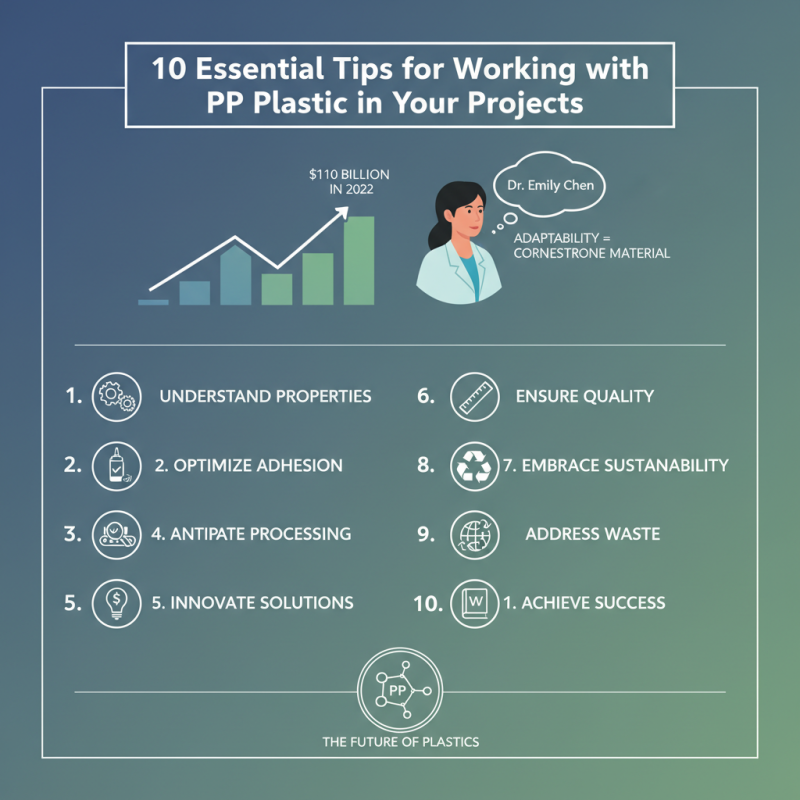
PP plastic has become increasingly popular in various industries due to its versatility, durability, and cost-effectiveness. According to a recent market report by Grand View Research, the global polypropylene market was valued at approximately $110 billion in 2022 and is expected to grow significantly. Experts like Dr. Emily Chen, a leading researcher in the field, emphasize its importance: "The adaptability of PP plastic in different applications makes it a cornerstone material in modern manufacturing."
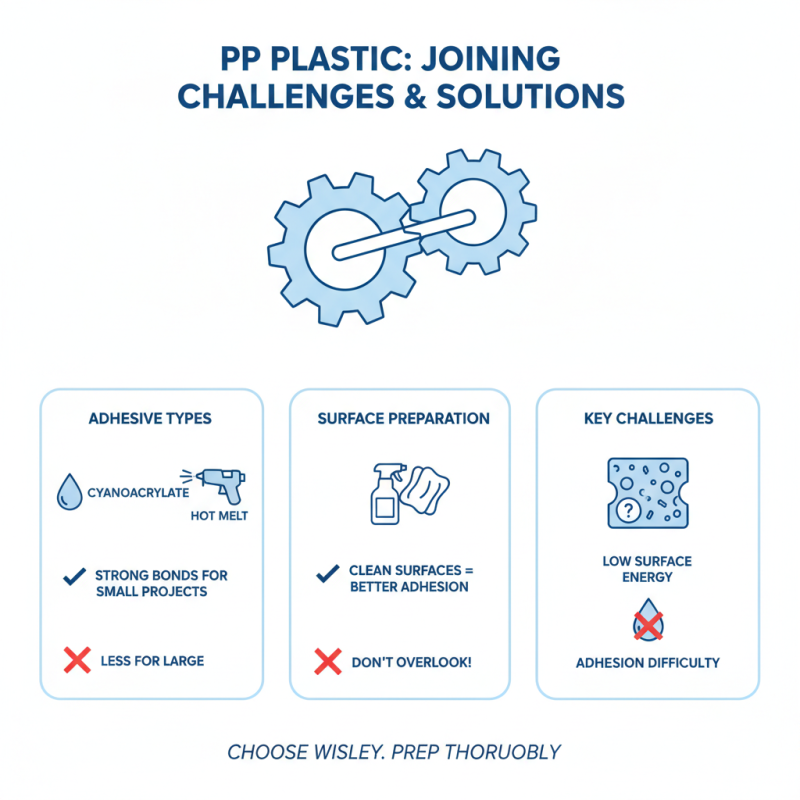
Working with PP plastic requires an understanding of its properties and best practices. It is essential for engineers and designers to grasp how to manipulate this material effectively. Issues often arise, such as difficulties in adhesion and processing challenges, which can lead to project delays. A deeper reflection on these common pitfalls can foster more innovative solutions. Being aware of the nuances ensures that projects utilizing PP plastic meet their intended goals without compromising quality.
As the demand for sustainable materials grows, the role of PP plastic will likely change. Industry challenges, including waste management and recycling, need to be addressed. Therefore, staying informed on new developments and best practices in working with PP plastic is vital for success in any project.
Understanding PP Plastic: Properties and Benefits for Projects
PP plastic, or polypropylene, offers a variety of properties that make it an attractive choice for projects. It is lightweight yet remarkably strong. According to a recent market report, PP plastic holds a tensile strength of up to 37 MPa. This strength makes it suitable for applications requiring durability, such as packaging and automotive components. The flexibility of PP also allows it to be molded into complex shapes, enhancing design possibilities.
PP plastic is resistant to moisture, chemicals, and UV light. This resistance is vital for outdoor applications. Research indicates that PP remains stable under various environmental conditions. However, one must consider its brittleness at low temperatures. This aspect can lead to unexpected fractures in colder climates. Additionally, while PP is recyclable, the lack of effective recycling processes can hinder its sustainability. Thus, while enjoying its benefits, designers must reflect on these limitations.
10 Essential Tips for Working with PP Plastic in Your Projects
| Tip | Description | Benefits |
|---|---|---|
| 1. Understand the Properties | Familiarize yourself with the thermal, chemical, and mechanical properties of PP plastic. | Improved material selection based on project needs. |
| 2. Choose the Right Grade | Select the appropriate grade of PP for specific applications. | Tailored performance characteristics for your project. |
| 3. Use Proper Processing Techniques | Adopt suitable methods for molding and fabrication. | Enhanced product quality and consistency. |
| 4. Incorporate Additives | Utilize colorants, stabilizers, and other additives as needed. | Improved aesthetics and resistance to degradation. |
| 5. Consider Environmental Impact | Plan for the recyclability and disposal of PP products. | Sustainability and compliance with regulations. |
| 6. Test for Compatibility | Ensure compatibility with other materials in the product. | Avoid potential failures in assembly. |
| 7. Monitor Temperature during Processing | Keep processing temperatures in check to avoid deformation. | Consistency in product dimensions and quality. |
| 8. Use Proper Storage Techniques | Store PP plastic away from UV light and moisture. | Extends the life and material properties. |
| 9. Perform Regular Quality Checks | Conduct inspections throughout the production process. | Early detection of defects reduces waste. |
| 10. Seek Expert Advice | Consult with professionals when in doubt about PP applications. | Ensures best practices and optimized results. |
Related Posts
-
How to Identify Polypropylene Plastic in Everyday Items?
-
Best Uses of PP Plastic in Everyday Life?
-

Why Are Plastic Profiles the Best Choice for Your Construction Projects
-
Top 10 Benefits of Plastic Molding for Your Business?
-
10 Essential Tips for Choosing the Right Plastic Cap for Your Needs
-
Top 10 Uses of PP Plastic in Everyday Life?