
No Job is Too Big or Too Small!

Top 10 Green Sand Casting Manufacturers for Global Buyers

Green Sand Cast production remains essential for buyers seeking dependable iron and steel components at competitive volumes. The World Foundry Organization’s 2021 global production census recorded approximately 109.8 million metric tonnes of castings worldwide. That figure shows the scale of the sector, but it does not separate green sand output from other casting methods. Buyers need more than a headline number.

The American Foundry Society’s Foundry Sand Facts for Civil Engineers explains how foundry sand can be reclaimed and reused, while emphasizing the need to assess its properties and suitability. In practice, results depend on details such as moisture control, grain distribution, mold preparation, and quality checks. A damp patch near a sand mixer or a poorly controlled pouring temperature can affect consistency. These details matter.

This guide compares ten manufacturers for global buyers, focusing on process capability, material range, inspection practices, production scale, and communication across time zones. It also considers whether suppliers can provide clear technical records and realistic lead times. Certifications are useful, but they do not replace evidence from samples, audits, and repeat orders. No ranking fits every project. Buyers should verify claims against their own drawings, acceptance criteria, and trial runs. That extra work can feel slow. It is often where a sound supplier choice begins.
Top 10 Green Sand Casting Manufacturers for Global Buyers

How Green Sand Casting Works and Where It Is Used

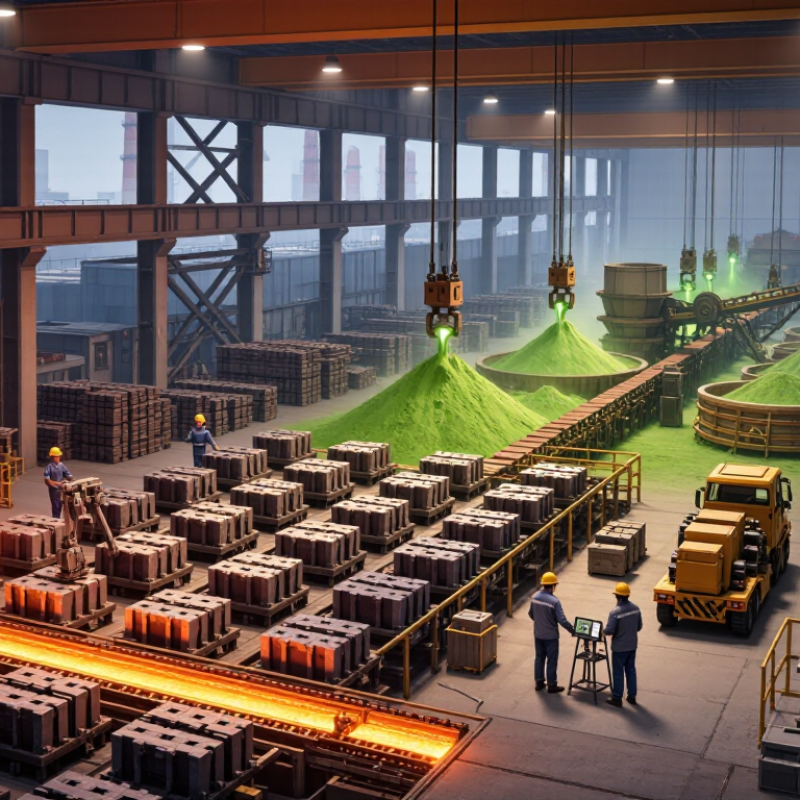
Green sand casting uses a reusable sand mixture, usually silica sand, clay, and water. “Green” means the mold is damp, not that the sand is newly harvested. A pattern forms the cavity in compacted sand held inside two mold halves. The pattern is removed, leaving space for the part. Simple, but precise.

A foundry worker prepares channels that guide molten metal into the cavity and help gas escape. After pouring, the metal cools before the mold is broken open. The casting is cleaned, inspected, and often machined where dimensions or surface finish matter. Moisture and compaction need steady control; small changes can cause defects such as rough surfaces or unwanted cavities. The process is forgiving, but not foolproof.

Green sand casting is often chosen for iron and steel components, as well as some nonferrous parts. Typical examples include pump housings, valve bodies, machine bases, and agricultural equipment. These shapes can be large, and the tooling is often practical for repeated production. Yet very thin walls or tight tolerances may need extra machining or another process. That trade-off deserves attention. A casting that looks sound on the outside may still need internal inspection, especially when it carries fluid or supports a working load.

Criteria for Evaluating Green Sand Casting Manufacturers

When evaluating green sand casting manufacturers, look beyond quoted prices. Ask how they control sand moisture, permeability, and mold hardness across production shifts. These variables affect surface finish, dimensional consistency, and the risk of defects such as sand inclusions. Request inspection records for parts similar in size and geometry to yours. A small test casting can reveal more than a broad capability chart.

Check whether the manufacturer can explain its process, not just promise quality. Ask about pattern maintenance, core placement, melt chemistry checks, and how nonconforming castings are identified and traced. Practical evidence might include measurement reports, defect photos, and documented corrective actions. A polished brochure proves little. For global buyers, also confirm packaging, production capacity, communication routines, and the ability to share clear technical updates. A capable foundry may still struggle with a complex part or an urgent schedule. That is worth discussing early. No checklist removes every risk; requirements and tolerances should be reviewed together before tooling begins.

Top 10 Green Sand Casting Manufacturers for Global Buyers

A useful Top 10 green sand casting manufacturers list should help global buyers compare capabilities, not just factory size. Green sand casting suits many iron components, but results depend on sand preparation, mold control, pouring practice, and inspection. Ask suppliers which alloys, weight ranges, and dimensional tolerances they handle regularly. Details matter.

Request sample inspection reports and clarify how defects are tracked. A dependable manufacturer can explain its process in plain terms, from pattern approval to final machining. Check whether quoted lead times include tooling, sample approval, and shipping preparation. For a real comparison, send each candidate the same drawing and annual volume estimate. Then review their technical questions as closely as their prices. Good questions often reveal practical experience.

Global buyers should also assess communication, packaging, and production continuity. Ask how castings are protected against moisture and impact during transit, and who handles corrective action when a sample misses specification. Verify quality certificates directly and confirm they apply to the relevant facility and process. A polished presentation is not proof. Rankings can change with part size, alloy, location, and order volume, so the best shortlist depends on the project. Even careful screening can miss a problem; an approved sample and clear inspection plan reduce that risk.

Comparing Manufacturers by Capacity, Materials, and Export Reach

When comparing the ten manufacturers, look beyond advertised annual tonnage. Green sand foundries may handle small, repeat orders or large production runs, but stated capacity does not show how much is available for your project. Ask about typical casting weights, pattern storage, molding-line availability, and lead times during peak periods. Capacity is not everything. A factory tour or recent production photos can reveal whether its equipment suits your part dimensions and tolerances.

Material range matters just as much. Confirm which grades of gray iron, ductile iron, or other cast iron the supplier pours, and request material certificates tied to sample orders. For a pump housing, for example, wall thickness and machining allowance can affect both casting quality and final cost. Details matter. Ask how the foundry controls sand moisture, checks defects, and manages rejected castings; answers should be specific, not merely reassuring.

Export reach depends on more than a list of destination countries. Check whether the manufacturer regularly prepares export packaging, inspection records, and shipping documents for your market. Compare quoted delivery terms, port options, and sample-shipment timelines. Some supplier data is hard to verify, and public capacity figures may be outdated. Treat comparisons as a starting point, then validate claims with drawings, references, and a clearly defined trial order.

How Global Buyers Can Assess and Select a Supplier

Choosing a green sand casting supplier requires more than comparing quoted prices. Ask how the foundry controls sand moisture, mold compaction, and pouring temperature. These variables affect surface finish, dimensions, and defects such as porosity. Request inspection records for parts similar to yours, not just a general quality statement. A sample casting can reveal issues that a polished presentation may miss.

Check whether the supplier can explain its production route clearly, from pattern preparation to final inspection. Confirm what measurements are recorded, how nonconforming parts are handled, and whether material certificates can accompany shipments. For global orders, discuss packaging, shipment schedules, and communication routines before approving production. A factory visit or live video review can help, though neither guarantees consistent performance. No assessment is perfect. Leave room to reassess after the first delivery.

Tips: Send a detailed drawing and expected annual volume when requesting a quotation. Ask for a sample inspection report and clarify who pays for corrective work if parts miss agreed tolerances. Keep one open question in your evaluation: what might still go wrong?

Top 10 Green Sand Casting Manufacturers for Global Buyers

How Global Buyers Can Assess and Select a Supplier

Suggested weighting for a buyer’s supplier scorecard—not results from an industry survey. Assess each foundry against your part specifications, audit evidence, production samples, delivery records, and applicable environmental requirements; adjust the weights to fit your project.