Polypropylene plastic is a common material found in many everyday items. It is known for its durability and versatility. Dr. Emily Fischer, a leading expert in plastics, states, "Identifying polypropylene plastic can help consumers make informed choices." This statement highlights the importance of understanding the materials around us.
In our homes, polypropylene plastic is present in containers, toys, and even automotive parts. It is lightweight and often marked with a recycling code of 5. However, not everyone knows how to recognize it. This lack of awareness can lead to improper disposal and environmental harm.
Identifying polypropylene is essential for promoting recycling and environmental sustainability. Many people throw away items without checking their composition. Reflecting on this can help us make better choices and understand our impact. With a little knowledge, we can contribute to a cleaner planet while ensuring proper use of polypropylene plastic.
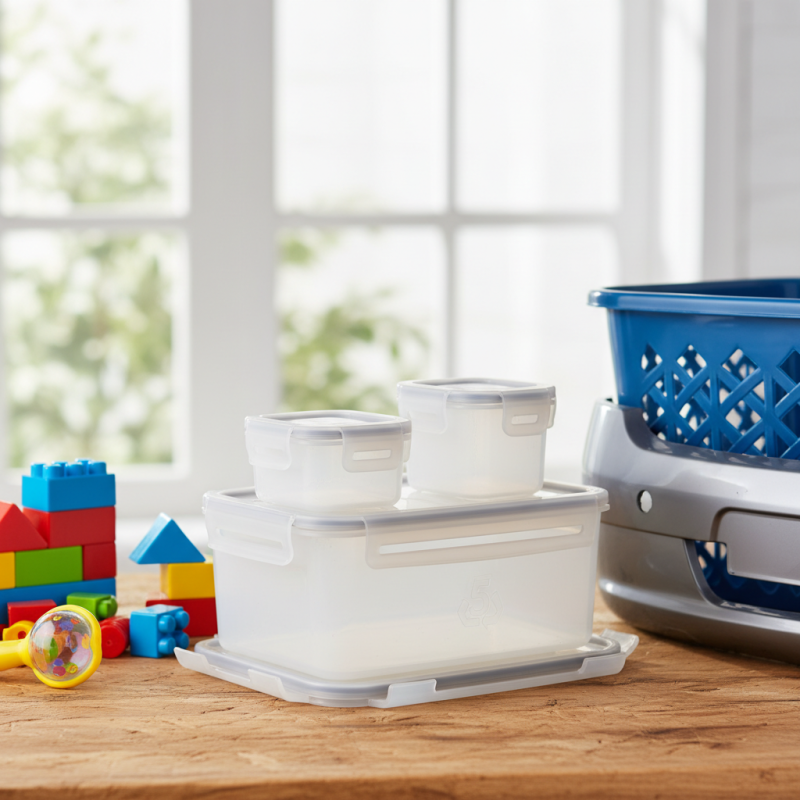
Polypropylene plastic is a versatile material found in many everyday items. It is commonly used in packaging, automotive parts, and household goods. This plastic has unique characteristics that make it ideal for these applications. Polypropylene is known for its durability and resistance to heat. It often appears as a translucent or opaque plastic and feels lightweight to the touch. Its flexibility means it can be molded into various shapes.
One might find polypropylene in food containers, straws, and even toys. The plastic is recyclable, but many people overlook this fact. It wears easily under harsh conditions, but that might not be apparent at first glance. A worn item could still look good on the outside. This blend of durability and vulnerability raises questions. How durable can it truly be? Do we use it mindfully, or do we take its properties for granted? Identifying this material in your environment encourages reflection. It reminds us of our consumption choices and their environmental impact.
| Item | Characteristics | Common Uses |
|---|---|---|
| Food Containers | Lightweight, durable, resistant to heat | Packaging, microwaveable containers |
| Bottles | Translucent, strong, less prone to shattering | Drink bottles, condiment bottles |
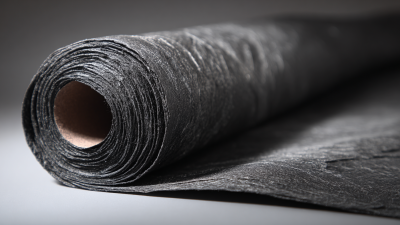
| Textiles | Soft, can be woven, resistant to mold | Clothing, upholstery, carpets |
| Rope and Twine | Strong, lightweight, resistant to chemicals | Agriculture, gardening, shipping |
| Car Parts | Versatile, impact resistant, can endure extreme temperatures | Bumpers, dashboards, interiors |
Polypropylene plastic, known for its versatility, appears in many everyday items. It’s lightweight and resistant to various chemicals, making it a popular choice in manufacturing. Items like food containers, straws, and packaging often use this material. In fact, a report from the Plastics Industry Association shows that polypropylene accounts for around 20% of global plastic production.
Household products often contain polypropylene. This includes durable items like laundry baskets and kitchenware. Many toys also use this plastic due to its safety and flexibility. Interestingly, studies reveal that about 70% of polypropylene is recycled, highlighting its potential for sustainability. However, recycled polypropylene isn't always used for the same applications. This fact raises questions about the efficiency of recycling processes.
Identifying polypropylene can be tricky. Distinctive features include its ability to be transparent or colored and a slightly waxy feel. Sometimes, consumers may find multiple plastics in one item. This complicates recycling efforts. While polypropylene has advantages, such as being microwave-safe, it's important to consider its overall environmental impact.
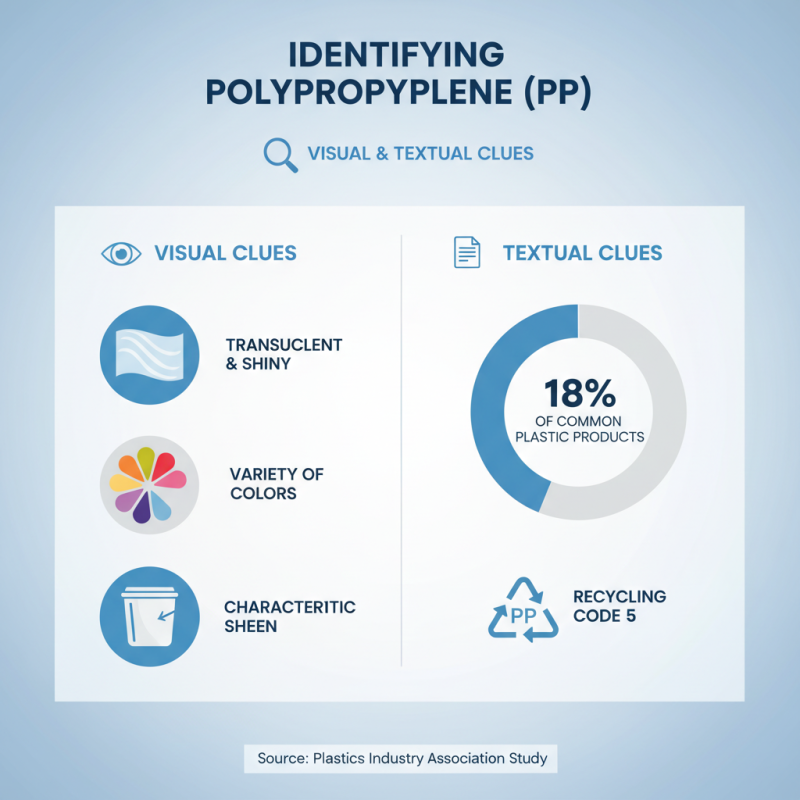
When identifying polypropylene in everyday items, visual and textural clues play a crucial role. Polypropylene often has a translucent and somewhat shiny appearance. It may come in a variety of colors, but its characteristic sheen is a key indicator. According to a study from the Plastics Industry Association, approximately 18% of common plastic products are made from polypropylene.
Touching the item can further aid in identification. Polypropylene offers a distinctive texture that feels slightly waxy or silky. When squeezed, it can flex but will quickly return to its original shape. This resilience makes it popular in containers and automotive parts. An industry report indicates that polypropylene is widely used due to its low density and high melting point.
Yet, distinguishing polypropylene isn't always straightforward. Many items resemble other plastics, leading to confusion. Labels are often lacking, which complicates the identification process. Additionally, recycled polypropylene can vary significantly in appearance and texture. Observing multiple clues is essential for more accurate identification, as reliance on a single characteristic may lead to mistakes.
Identifying polypropylene plastic in everyday items is crucial for responsible recycling. One efficient way to recognize it is by checking the recycling symbols found on product packaging. Polypropylene is denoted by the resin identification code “5.” This number appears inside a small triangle made of arrows. Look for it on containers, straws, and various food packaging.
Tips: Always examine the bottom of bottles and containers. They often contain the recycling symbol. A quick glance can save time later. Sometimes, the symbol may be faint or partially covered. Don’t be discouraged; you can still find the code.
Not every item is labeled clearly. Restaurant takeout boxes, for example, often confuse consumers. Many look like plastic but use mixed materials. It's important to inspect closely. Polypropylene is relatively lightweight and flexible. This can help differentiate it from sturdier plastics. Always keep an eye out for those small details. They matter in recycling.
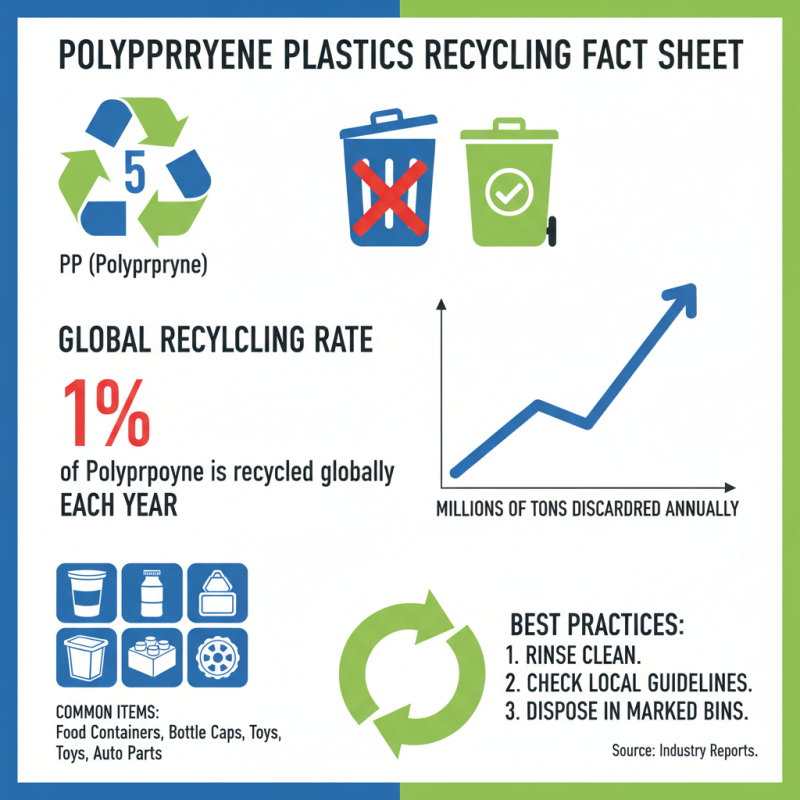
Polypropylene, marked as recycling symbol number 5, is common in many household items. It's essential to understand the best practices for its disposal. Each year, millions of tons of polypropylene are thrown away, but only a fraction gets recycled. According to industry reports, only 1% of polypropylene is recycled globally. This statistic is alarming and highlights the need for better waste management.
Improper disposal of polypropylene can lead to environmental damage. The plastic can take up to 20-30 years to decompose in landfills. That means a single plastic container may persist for decades. So, what can individuals do? Start by checking local recycling guidelines. Not all facilities accept polypropylene. Some cities have drop-off locations explicitly for this type of plastic.
When disposal is not an option, consider reusing polypropylene products. These items can be repurposed for various uses around the home. Think about storage or craft projects. Reflecting on these practices can lead to more responsible consumer behavior. It’s a step toward reducing waste and protecting our planet. Adopting these practices, we can contribute significantly to a healthier environment.