No Job is Too Big or Too Small!

What is the Injection Moulding Process and Its Benefits?

The injection moulding process has revolutionized the manufacturing industry. It allows for high precision in the production of complex parts. According to a report by MarketsandMarkets, the global injection moulding market was valued at over $200 billion in 2022, with a projected growth rate of 5.7% annually through 2030. This growth highlights the importance of efficiency and scalability in production.

Expert Dr. Jane Thompson, a leader in polymer engineering, emphasizes the value of this method. She states, “The injection moulding process not only enhances quality but also reduces waste.” Companies are increasingly leveraging this technology to improve production efficiency and reduce costs. However, as the industry grows, challenges remain. Rising material costs and environmental concerns demand innovative solutions.

Understanding the injection moulding process is crucial for industry professionals. It not only informs design choices but also influences market strategies. As the market evolves, continuous learning and adaptation will be essential for success. Balancing production speed and product quality will require ongoing reflection and innovation.
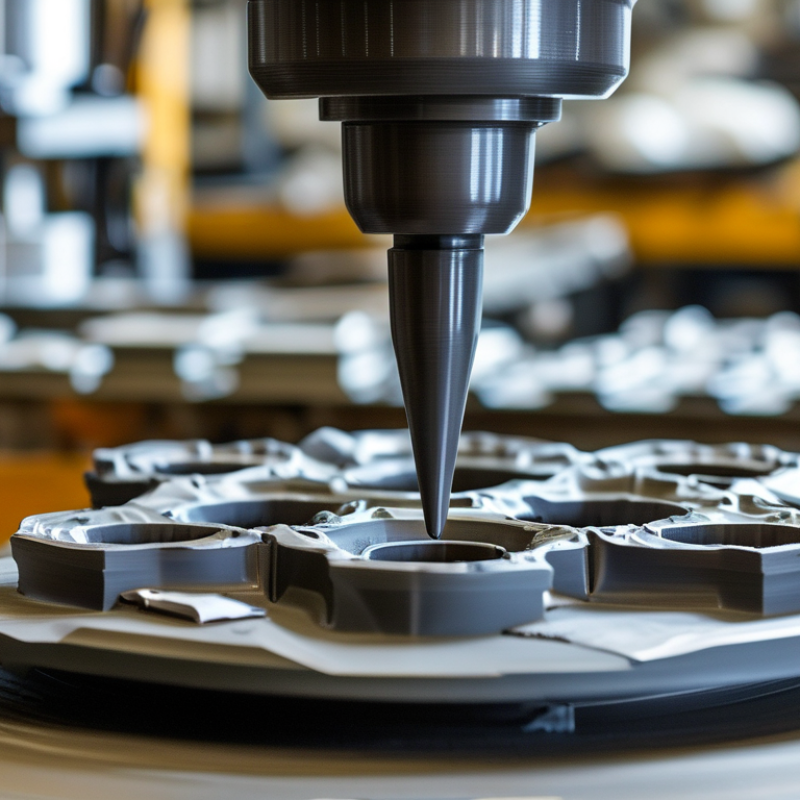
What is the Injection Moulding Process and Its Benefits?

What is Injection Moulding?

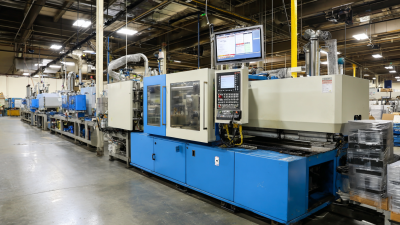
Injection moulding is a manufacturing process for producing parts by injecting molten material into a mould. It is widely used for plastic, rubber, and metal components. The process begins with heating the material until it becomes liquid and then injecting it into a pre-designed mould, where it cools and solidifies into the desired shape. According to the Plastic Industry Association, injection moulding accounts for over 32% of the total plastic production globally, emphasizing its significance.

One of the main advantages of injection moulding is its ability to produce high volumes of parts consistently. The cycle time can be as short as a few seconds, making it efficient for mass production. The process also allows for intricate designs and complex geometries that are often difficult to achieve with other methods. However, the initial cost for mould creation can be high. Manufacturers must carefully evaluate the return on investment to ensure profitability.

**Tips:** Before starting, analyze the design for manufacturability. This can save time and costs later. Always consider the properties of the materials selected. Each one behaves differently under heat and pressure. This reflection can lead to better choices.

What is the Injection Moulding Process and Its Benefits?

Dimension Details
Process Overview Injection moulding is a manufacturing process for producing parts by injecting material into a mould.
Materials Used Common materials include thermoplastics, thermosetting plastics, and elastomers.
Applications Used in automotive, consumer goods, medical devices, and electronics.
Benefits High production rates, consistent quality, and ability to create complex shapes.
Cost Efficiency Lower per-unit cost at large production volumes and minimal waste of material.
Limitations High initial cost for mould creation and limited to thermoplastic and thermosetting materials.

Overview of the Injection Moulding Process

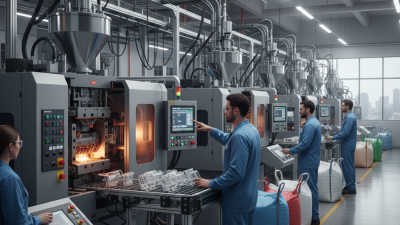
The injection moulding process is a widely used manufacturing technique. It involves injecting molten plastic into a mould. This process begins by melting the plastic pellets. The melted plastic is then injected into a precisely crafted mould cavity. Once cooled, the mould opens to release the finished part. This method is efficient for high-volume production.


One of the advantages of injection moulding is its ability to produce complex shapes. The designs can range from simple to highly intricate. However, achieving perfection has its challenges. Mould design must be accurate. Any errors can lead to defects in the final product. Additionally, the initial setup costs can be high, discouraging smaller projects.


Consistency is another benefit. Parts remain uniform, leading to reduced waste. However, variations can arise from fluctuating temperatures during the manufacturing process. Engineers must monitor conditions closely. Even minor changes can impact quality. Balancing quality control with efficiency is an ongoing struggle in the industry. The path to improvement is never completely straightforward.

Key Materials Used in Injection Moulding

Injection moulding is a versatile manufacturing process used for creating a wide range of plastic products. The key materials utilized in injection moulding largely determine the quality and performance of the final product. Commonly used materials include polyethylene (PE), polypropylene (PP), and polystyrene (PS). In 2022, the global injection moulding market was valued at approximately $300 billion, showcasing the growing demand for these essential materials.

Polyethylene, noted for its flexibility and chemical resistance, is widely used in packaging and containers. Polypropylene offers exceptional durability and heat resistance, making it suitable for automotive parts and consumer products. Polystyrene is favored for its rigidity and insulation properties, often found in disposable cutlery and packaging. According to industry reports, these materials accounted for over 65% of the injection moulding market share in recent years.

Despite their benefits, challenges exist with these materials. Handling variations in melt flow or maintaining temperature consistency can affect production quality. Moreover, sustainable alternatives are increasingly sought as regulations tighten. Manufacturers are exploring bio-based plastics and recycled materials. This shift presents opportunities for innovation while requiring careful analysis of performance and cost.

Advantages of Injection Moulding in Manufacturing

Injection moulding has become a cornerstone of modern manufacturing, offering several distinct advantages. One significant benefit is its efficiency. The process allows for the rapid production of high volumes of parts. This is particularly valuable in industries where time to market is critical. Moulds can create complex shapes with precise dimensions, reducing the need for extensive finishing work. This precision minimizes material waste, which helps in lowering production costs.

Another advantage is the versatility of materials used in injection moulding. A wide range of thermoplastics and thermosetting polymers can be utilized. This means manufacturers have flexibility in choosing materials that meet specific requirements. However, the initial cost of designing moulds can be quite high. This upfront investment may deter smaller companies from entering the market. Furthermore, not all designs lend themselves well to this process, requiring careful consideration.

Quality consistency is another strong point. Products created through injection moulding tend to have uniform quality across batches. This reliability supports manufacturers in upholding their reputations. Yet, achieving this consistency requires experience and a well-maintained operation. Small flaws may arise, leading to defects that must be identified and corrected. Such challenges require ongoing assessment and adjustment of processes.

Common Applications of Injection Moulding in Industries

Injection moulding is widely used across various industries due to its efficiency and versatility. One prominent application is in the automotive sector. Components like dashboard panels, housings, and connectors are often produced using this method. These parts must meet strict safety and quality standards. Injection moulding allows for the mass production of these components while ensuring precise dimensions.

Another significant application is in consumer electronics. Smartphone cases and components are molded for durability and aesthetic appeal. Injection moulding helps create complex shapes and designs that would be challenging with other methods. However, with rapid production, quality control can sometimes fall short, leading to defects.

The packaging industry also benefits from injection moulding. Containers and lids are produced quickly and cost-effectively. Innovative designs help in reducing material waste. Yet, some manufacturers struggle with balancing production speed and quality assurance, resulting in occasional inconsistencies. Despite these challenges, injection moulding remains a key technique in modern manufacturing. It shapes our daily lives in ways we often overlook.