No Job is Too Big or Too Small!

The Best 10 Tips for Mastering the Injection Moulding Process?

The injection moulding process is a pivotal technique in modern manufacturing. Experts emphasize the importance of mastering every detail. According to John Smith, a renowned specialist in injection moulding, "Precision and understanding in the injection moulding process lead to exceptional product quality." His insight highlights the aim for perfection in this complex field.

Many factors contribute to successful injection moulding. The right materials, optimal temperatures, and machine settings can significantly impact outcomes. Yet, even seasoned professionals face challenges. Common pitfalls include poor design and inadequate testing. They often lead to costly mistakes. Learning from these errors is crucial for improvement.

Additionally, consistency is key. The injection moulding process relies on repeatability to ensure quality. Efforts should always focus on fine-tuning processes and techniques. As manufacturers strive for excellence, embracing a culture of continuous learning becomes essential. This mindset can revolutionize production, leading to innovative solutions in the industry.
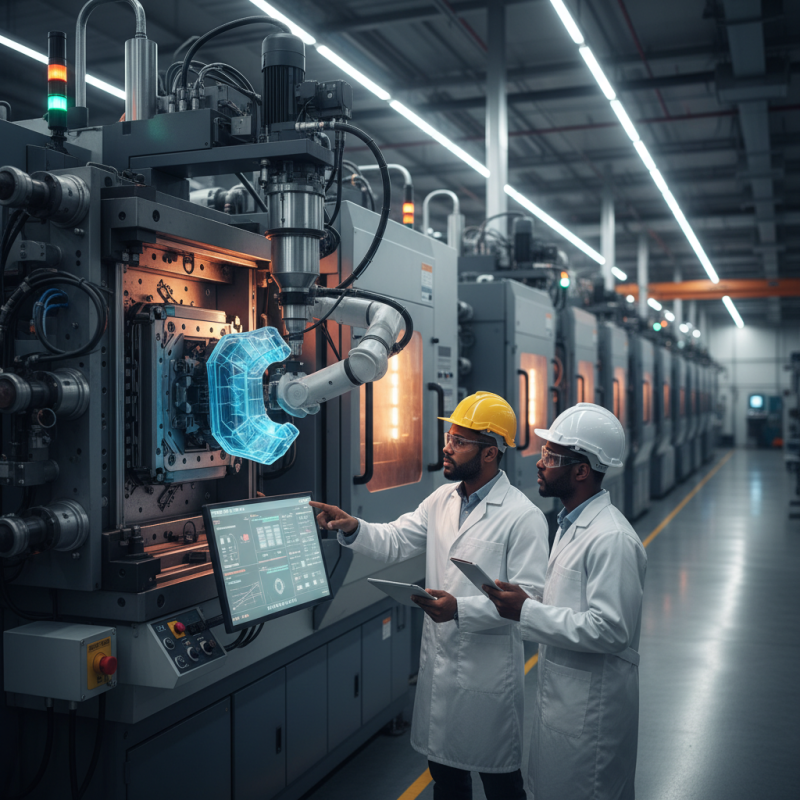
The Best 10 Tips for Mastering the Injection Moulding Process?

Understanding the Basics of Injection Moulding Technology

Injection moulding technology is a vital process in the manufacturing sector. It allows for the efficient production of plastic parts. Understanding the basics is key for anyone looking to master this technique. According to a report from Market Research Future, the global injection moulding market is projected to reach almost $500 billion by 2026, highlighting its importance.

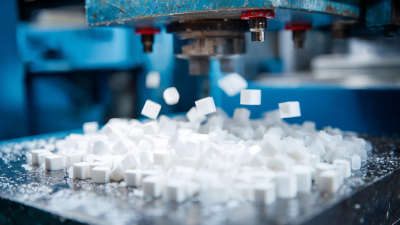
The process starts with melting plastic pellets. These pellets are injected into a mould where they cool and solidify. The temperature control during this phase is critical. A slight variation can lead to defects like warping or inconsistent thickness. Research shows that even a temperature change of 5°C can negatively impact product quality. It's crucial to monitor and adjust settings continuously.

Mould design also significantly affects the outcome. Complex designs can lead to longer cycle times and high costs. A study by the Society of Plastics Engineers noted that precise engineering and careful consideration of resin type can enhance efficiency. However, many companies struggle with this, often rushing the design phase, leading to flaws. These challenges highlight the importance of thorough planning and expertise in injection moulding technology.
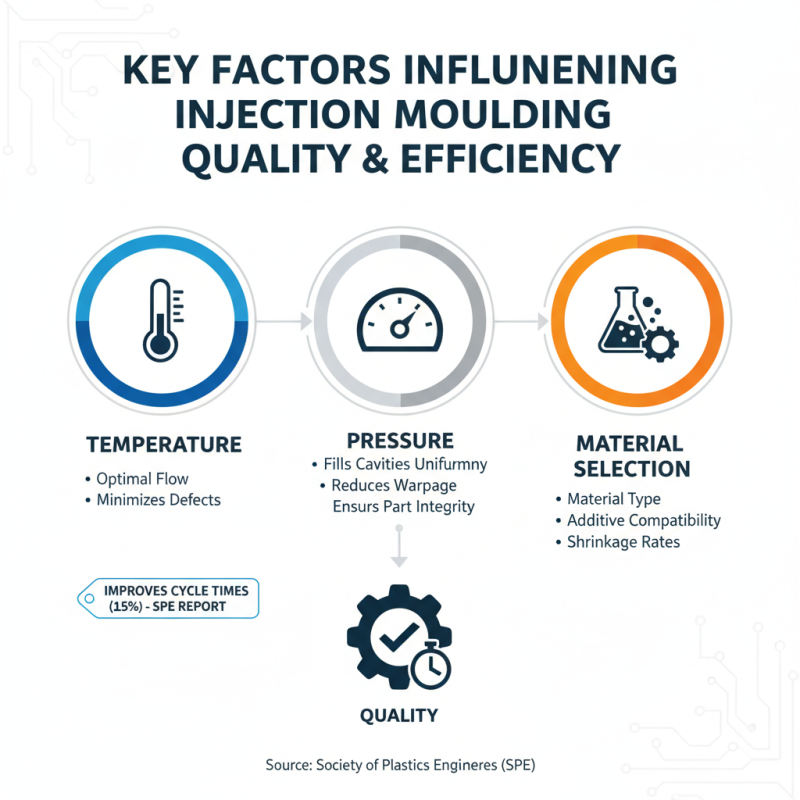
Key Factors Influencing Injection Moulding Quality and Efficiency

The Best 10 Tips for Mastering the Injection Moulding Process?

Injection moulding is a complex process influenced by various factors. Key among these are temperature, pressure, and material selection. The temperature at which plastic is processed can significantly affect the final product. For instance, maintaining optimal mold temperature leads to better flow and minimizes defects. According to a report from the Society of Plastics Engineers, maintaining a consistent temperature can improve cycle times by up to 15%.

Material selection is crucial. Different polymers behave distinctively when injected. The viscosity, melt flow index, and thermal stability are vital properties to consider. A study by the American Society of Mechanical Engineers highlights that choosing the right material can reduce scrap rates significantly, sometimes by as much as 30%.

Pressure also plays a critical role. Inadequate injection pressure may lead to incomplete filling and air traps. Conversely, excessive pressure can cause defects like flash. There's a thin line between efficiency and quality. In many cases, manufacturers must experiment to find the perfect balance. These nuances in the injection moulding process require both experience and a keen understanding of materials science. Each production run can present new challenges that demand careful monitoring and adjustments.

Step-by-Step Guide to Designing Injection Moulded Parts

Designing injection moulded parts requires a clear strategy. Material selection is crucial. Different plastics can influence strength, flexibility, and durability. For instance, polypropylene offers great impact resistance. According to industry reports, 38% of manufacturers face challenges in material choice. Understanding the properties of your chosen material can reduce waste and costs.

Next, the part geometry must support the manufacturing process. Complex shapes can lead to warping and inconsistent thickness. Aim for simple designs where possible. The wall thickness should be uniform, ideally between 1.5mm and 4mm for most applications. This aids in achieving optimal flow during moulding. A surprising 27% of prototypes fail due to poor design choices.

Lastly, consider the cooling system within the mould. Efficient cooling can significantly impact cycle times and part quality. According to recent studies, cooling accounts for around 70% of the total cycle time in injection moulding. Balancing these elements is essential. Even small adjustments can yield better results. Reflecting on your design process can lead to continuous improvement.

The Best 10 Tips for Mastering the Injection Moulding Process

Tip Number Tip Description Key Considerations
1 Choose the Right Material Consider properties like strength, flexibility, and temperature resistance.
2 Design for Manufacturability Minimize complex geometries to ease manufacturing and reduce costs.
3 Optimize Wall Thickness Maintain uniform wall thickness to avoid warping and improve flow.
4 Incorporate Draft Angles Add draft angles to ease part removal from molds.
5 Use Simulation Tools Leverage software to predict flow and cooling patterns.
6 Select the Right Injection Molding Machine Match machine size and capabilities to part specifications.
7 Set Proper Processing Conditions Adjust temperature, speed, and pressure based on material and part design.
8 Conduct Regular Maintenance Keep machinery in optimal condition to ensure consistent quality.
9 Implement Quality Control Measures Monitor production for defects and adjust parameters as needed.
10 Stay Updated with Industry Trends Regularly research advancements in materials and processes.

Common Challenges in the Injection Moulding Process and Solutions

Injection moulding is a widely used manufacturing process, yet it poses common challenges. Many manufacturers face issues like warping, sink marks, and inconsistent part quality. Understanding these challenges is crucial for achieving optimal results.

Warping often occurs due to uneven cooling. This can lead to parts that do not fit together correctly. To mitigate this issue, maintaining a consistent cooling rate is essential. Adjusting the mould design and using proper venting can also help reduce warping.

Sink marks are another frequent challenge. They appear when material shrinks during cooling, creating surface depressions. To combat this, increasing the packing pressure can fill the mould more completely. Additionally, tweaking the material temperature can enhance the flow and reduce the likelihood of sink marks appearing on finished products. Observing these factors helps refine the injection moulding process.

The Best 10 Tips for Mastering the Injection Moulding Process

This chart represents common challenges faced during the injection moulding process along with their corresponding impact levels. By understanding these challenges, manufacturers can better prepare and implement solutions for efficient production.

Best Practices for Maintenance of Injection Moulding Equipment

Maintaining injection moulding equipment is critical for optimal performance. Regular maintenance minimizes downtime and ensures high-quality production. One effective strategy is to establish a schedule for routine checks. Daily inspections of critical components can reveal early signs of wear. The importance of clean machinery cannot be overstated. Dust and debris can lead to malfunctions and inferior products.

Another essential practice involves using the right lubrication. Proper lubrication reduces friction and prolongs the life of moving parts. Operators should be trained to identify when lubrication is needed. Inadequate lubrication can lead to catastrophic failures that are costly and time-consuming.

Implementing performance monitoring systems can help track the equipment’s condition. These systems can provide data on temperature, pressure, and production rates. However, relying solely on technology can create blind spots. Manual checks remain imperative for a well-rounded maintenance strategy. Combining technology with hands-on inspections allows for a more thorough approach. Always revisit your maintenance protocol to identify areas for improvement. Even the best practices require updates based on new findings and experiences.