Why Do You Need a Water Pump for Your Business?
In today's competitive market, having a reliable water pump is crucial for many businesses. Water pumps are not just mechanical devices; they are essential tools that can significantly impact your operations. From agriculture to manufacturing, the right water pump can ensure efficiency and productivity.
A water pump enables businesses to transport water quickly and efficiently. This can be vital for irrigation systems, cooling processes, or even cleaning operations. Inadequate water supply can lead to delays, increased costs, and even damage. Choosing the right pump is not a simple task. It requires understanding specific needs and applications.
It’s important to reflect on the potential pitfalls of neglecting proper water pump maintenance. Failing to do so can result in unexpected breakdowns and financial losses. Therefore, investing in a dependable water pump is not just a choice; it’s a necessity. This investment can yield long-term benefits, ensuring that your business runs smoothly and effectively.
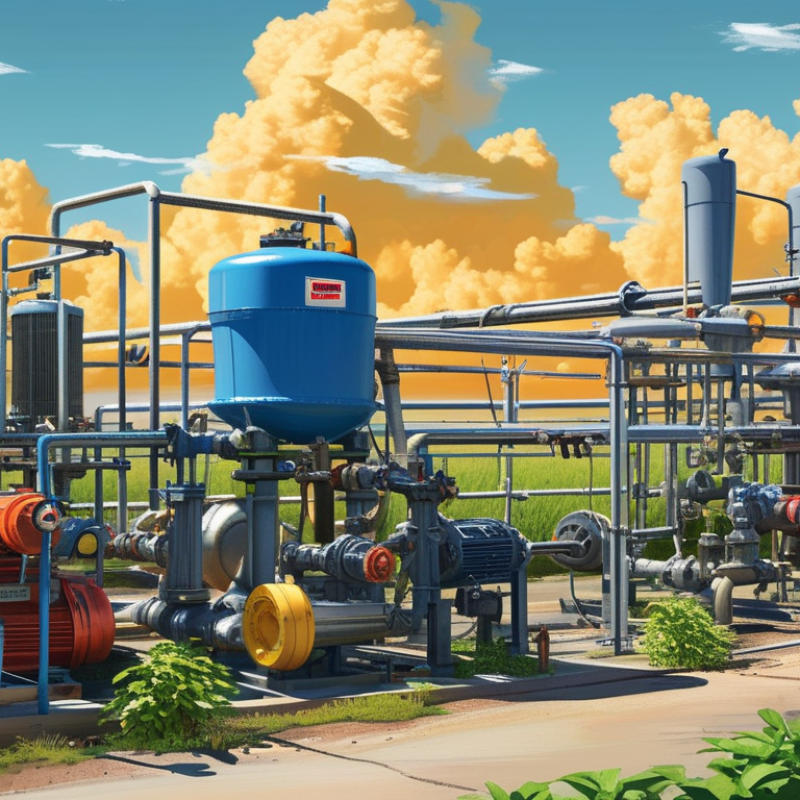
Understanding the Role of Water Pumps in Business Operations
Water pumps play a vital role in various business operations. They provide essential water supply for irrigation, cooling, and processing. For industries such as agriculture, construction, and manufacturing, the efficiency of a water pump directly impacts productivity.
In agriculture, proper irrigation relies on water pumps. They ensure crops get the needed moisture. A malfunctioning pump can lead to crop stress, reduced yields, and financial loss. In construction, pumps provide water for mixing concrete and controlling dust. Without an adequate water supply, projects can face delays.
However, selecting the right pump is not always straightforward. Businesses often overlook specific requirements, like flow rate and pressure. This can lead to inefficiencies or increased operational costs. Regular maintenance is crucial to avoid unexpected breakdowns. The cost of downtime can be significant, emphasizing the importance of a reliable water pump system. Investing in knowledge about water pump options can yield long-term benefits.
Types of Water Pumps Suitable for Various Business Needs
Water pumps serve crucial roles in various businesses, from agriculture to construction. They ensure efficient water supply for irrigation and facilitate dewatering at construction sites. Understanding the types of pumps can help you choose the right one for your specific needs.
Submersible pumps are often used in agriculture. These pumps operate underwater and are perfect for drawing water from wells. They’re efficient, but maintaining them can be challenging. If not serviced regularly, they might fail, causing delays.
On the other hand, centrifugal pumps are widely utilized in manufacturing. They move water through a rotating mechanism. However, these pumps can be noisy and may have issues with wear and tear. Choosing the right materials is essential to prolong their life. Each pump type has advantages and drawbacks; understanding these can enhance operational efficiency.
Benefits of Using a Water Pump for Efficient Resource Management
Water management is crucial for businesses across various sectors. A water pump enhances efficiency, ensuring smooth operations. According to the U.S. Geological Survey, roughly 13% of all water consumed in the U.S. is utilized in commercial activities. This statistic highlights the importance of effective resource usage.
With a water pump, businesses can regulate water supply and demand, minimizing waste. For instance, a study from the American Society of Civil Engineers indicates that improved water management can lead to savings of up to 30% in operational costs. These pumps allow for precise control, ensuring that water is available when needed, and reducing the risk of over-consumption.
Furthermore, the reliability of a pump system significantly impacts operations. Businesses must consider that equipment failures can result in downtime and financial losses. A report by the World Economic Forum emphasizes that reliable water supplies contribute to sustainability and profitability in various industries. Investing in proper water pumping solutions is not just efficient; it reflects a commitment to resource management and environmental responsibility.
Factors to Consider When Choosing a Water Pump for Your Business
When selecting a water pump for your business, it's crucial to consider a few key factors. First, assess the specific needs of your operations. Determine the volume of water required and the pressure needed for optimal performance. This will help you decide on the pump type – whether it's submersible, centrifugal, or diaphragm. Understanding your requirements will directly influence your choice and ensure efficiency.
Another factor is the environment in which the pump will operate. Consider the potential for contamination or corrosive materials. A pump exposed to harsh conditions may require special materials. Durability is vital, yet many overlook this aspect. Defected pumps can lead to costly downtimes. It's also essential to evaluate the pump's energy consumption. A pump that uses too much energy can inflate operational costs over time.
Maintenance is another aspect that shouldn't be ignored. A good water pump should be easy to maintain and service. If repairs require specialized skills, you might face challenges down the road. Ask yourself how frequently the pump will need maintenance. Reflecting on these factors can help avoid errors. Making a well-informed decision promotes reliability and improves overall efficiency in your business operations.
Maintenance Tips to Ensure Longevity of Your Water Pump
Maintaining a water pump is crucial for any business that relies on water for operations. Regular maintenance can extend the lifespan of your pump, reducing unexpected breakdowns. Start with routine inspections. Check for leaks and unusual vibrations. Minor issues can often escalate without proper attention. Keep an eye on water quality; contaminants can wear down your pump quickly.
Cleaning the pump regularly is also essential. Debris can cause blockages, which may impact performance. Make sure to flush the system periodically. Pay attention to the seals and bearings, as these components often wear out first. If you notice any odd noises, don't ignore them. They could indicate underlying problems that need addressing. Keeping a maintenance log can help track any patterns or recurring issues over time.
Consider consulting with professionals for complex issues. Their expertise can offer insights that save time and resources. Reflect on your pump's performance regularly. Is it meeting your needs? Are there signs of fatigue? Understanding these factors can help you decide when it’s time for repairs or replacements, ensuring you maintain a reliable water source for your business.
Why Do You Need a Water Pump for Your Business? - Maintenance Tips to Ensure Longevity of Your Water Pump
| Dimension | Details |
| Type of Pump | Submersible Pump |
| Usage | Irrigation, Drainage, and Water Supply |
| Maintenance Frequency | Every 6 months |
| Common Issues | Clogging, Overheating, Leaking |
| Recommended Action | Regular Cleaning and Inspection |
| Lifespan | 5-10 years with proper maintenance |
| Energy Efficiency | Pump Efficiency Ratings (Meets or Exceeds Standards) |
| Cost of Operation | Variable (depends on usage and energy rates) |
