No Job is Too Big or Too Small!

How to Optimize PVC Injection Molding for Better Production?

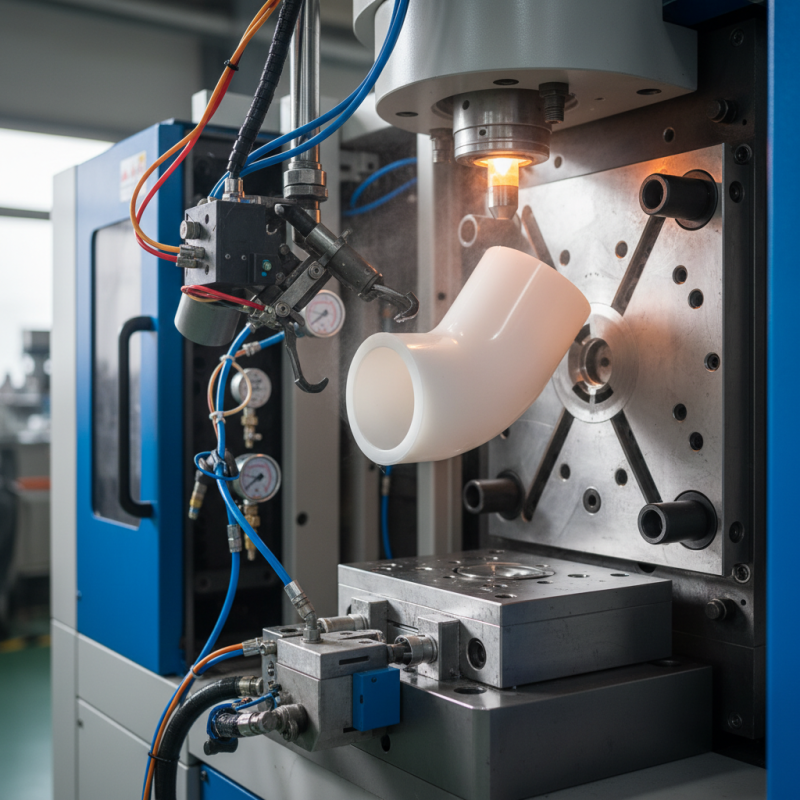
Optimizing PVC injection molding is crucial for improving production efficiency. The process involves transforming polyvinyl chloride into usable parts. Many manufacturers face challenges in achieving the perfect balance of speed and quality. Small adjustments in temperature, pressure, and timing can greatly impact results.

When working with PVC injection molding, it's essential to focus on material properties. Different grades of PVC can behave differently during the molding process. Achieving a smooth finish requires careful consideration of mold design and cooling times. Often, manufacturers overlook these details, leading to defects.

In pursuit of perfection, it's important to recognize that trial and error is part of the process. Not every attempt will yield ideal results, and this reality can be frustrating. However, persistent testing and refining can lead to better practices. Embracing imperfections helps in discovering effective solutions within PVC injection molding.
How to Optimize PVC Injection Molding for Better Production?

Understanding PVC Injection Molding: Key Concepts and Benefits

PVC injection molding is a popular manufacturing process. It is known for its efficiency and versatility. The key concepts behind this method include temperature control, pressure application, and mold design. According to industry data, the global PVC market size is expected to reach $80 billion by 2026, showing its growing relevance.

One major benefit of PVC injection molding is its ability to produce complex shapes with precision. This method reduces waste material compared to traditional processes. Reports indicate that businesses can achieve a production efficiency of over 90% when optimizing their setups. However, improper technique can lead to defects. Common issues include warping and incomplete filling, which require careful adjustments.

It is essential to consider environmental impact as well. While PVC is recyclable, the energy consumption during production is significant. A study revealed that PVC production can emit up to 2.2 tons of CO2 per ton of PVC. It's crucial for manufacturers to reflect on these factors. Balancing efficiency and environmental concerns is an ongoing challenge in the industry. Finding the right optimization techniques can lead to improved production outcomes while addressing sustainability.
Optimization of PVC Injection Molding Production

This chart illustrates the key optimization factors related to PVC injection molding production. It includes cycle time, material cost, defect rate, and energy consumption, enabling a comprehensive view of the efficiency and effectiveness of the injection molding process.

Identifying Common Challenges in PVC Injection Molding Processes

How to Optimize PVC Injection Molding for Better Production?

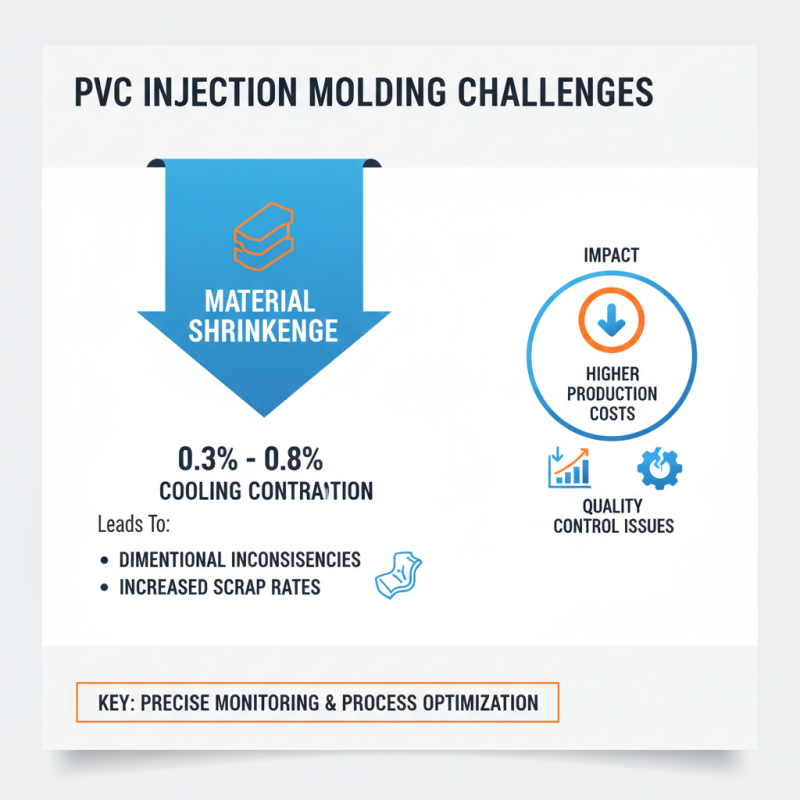
PVC injection molding presents several challenges that manufacturers must navigate. One significant issue is material shrinkage. Reports indicate that PVC can shrink by 0.3% to 0.8% during cooling. This can lead to dimensional inconsistencies in the final product. If not monitored, these discrepancies may result in increased scrap rates and higher production costs.

Another common challenge involves cycle time optimization. Industry studies show that the average cycle time for PVC injection molding ranges from 30 to 90 seconds. Many manufacturers struggle to strike a balance between speed and quality. Reducing cycle times too much can lead to defects, such as warping or incomplete filling.

Inconsistent material flow is also a pressing issue. Variability in material viscosity can affect the molding process. Some studies report that up to 30% of production defects stem from flow-related problems. This underscores the importance of precise temperature control and consistent material preparation. Addressing these challenges can improve both product quality and overall efficiency in PVC injection molding operations.

Techniques for Optimizing Mold Design for PVC Injection

How to Optimize PVC Injection Molding for Better Production?

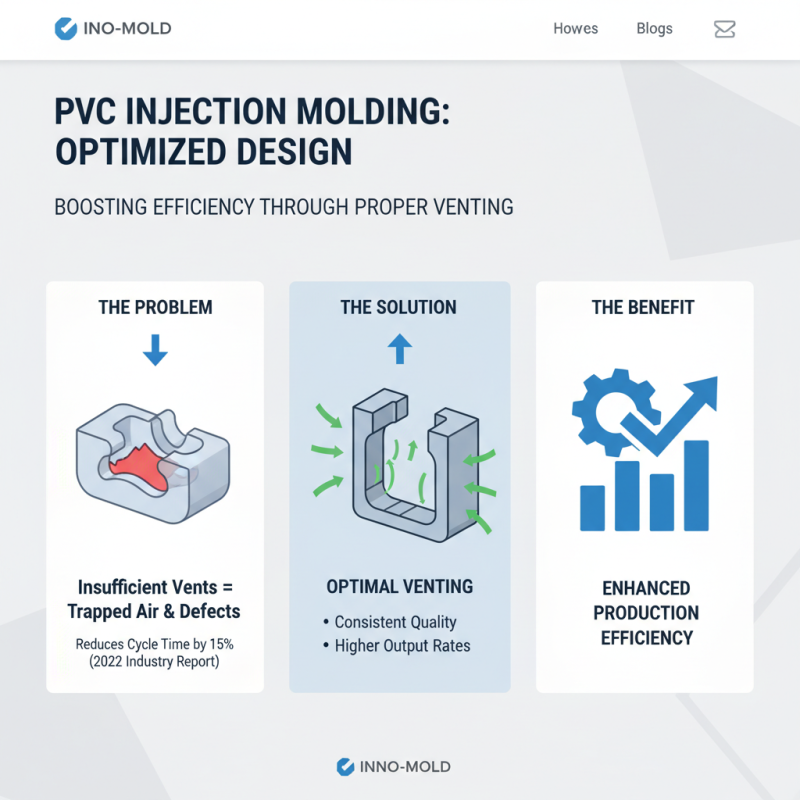
Optimizing mold design for PVC injection molding can significantly enhance production efficiency. Proper venting is crucial. Insufficient vents cause trapped air, leading to defects. According to a 2022 industry report, poor vent design can reduce cycle time by 15%. Efficient venting ensures consistent quality and higher output rates.

Material flow is another key factor. Complex shapes often hinder material consistency. A study showed that 70% of failed molds result from inadequate flow analysis. Implementing advanced simulation software can drastically improve design accuracy. This approach helps identify potential flow issues before physical production begins.

Proper cooling channels are often overlooked. Disruptions in cooling can lead to warping and increased cycle times. Reports suggest that optimizing cooling channels can cut cooling time by up to 30%. Balancing design complexities with functional cooling paths is challenging yet necessary for quality production. Regularly reviewing and adjusting mold design can prevent stagnation and promote growth in production efficiency.

Adjusting Processing Parameters for Enhanced PVC Production

Optimizing PVC injection molding requires careful adjustments to processing parameters. Each parameter influences the quality and efficiency of production. Temperature, pressure, and injection speed play major roles. Small changes can lead to significant improvements or setbacks. It’s essential to monitor these factors closely.

Tips for improving temperature control: Maintain a consistent barrel temperature. Pay attention to heat distribution. Adjust the temperature according to the specific PVC material batch. This helps achieve better flow and reduces defects.

Injection pressure also matters. If it’s too low, the mold may not fill completely. If it’s too high, it could lead to warping. Test different pressure settings to find the ideal balance.

Keep a record of each run. Data collection is vital. It helps in identifying trends and areas for further improvement. Sometimes, a minor tweak can solve a recurring issue. For instance, altering the cooling time can enhance overall cycle efficiency. Being attentive to these small details can yield better production results.

Implementing Quality Control Measures in PVC Injection Molding

Implementing quality control measures in PVC injection molding is critical for improving production efficiency. It starts with material selection. Consistency in the raw materials can significantly impact the final product's integrity. Regular testing of the PVC can prevent defects later on. Monitoring moisture levels is vital. Too much moisture can lead to surface imperfections.

Training operators on proper machine settings is essential. Sometimes, operators may overlook specific parameters, causing variations in quality. Regular audits can help identify areas needing improvement. It's also beneficial to incorporate visual inspections throughout the process. Quick checks can catch issues early, avoiding costly reworks.

Maintenance of injection molding machines should not be neglected. Worn-out parts can produce inconsistent results. Having a scheduled upkeep plan helps in maintaining quality. Additionally, collecting data on production runs can provide insight into recurring issues. Analyzing this data allows teams to pinpoint what isn’t working. Reflection on past mistakes encourages a proactive approach to quality issues.

How to Optimize PVC Injection Molding for Better Production? - Implementing Quality Control Measures in PVC Injection Molding

Quality Control Measure Purpose Frequency Impact on Production
Raw Material Testing Ensure material meets quality standards Every Batch Reduces defects in final products
Process Monitoring Track machine performance Continuous Improves efficiency and reduces downtime
Dimensional Inspection Verify product dimensions Every Hour Ensures compliance with specifications
Defect Analysis Identify causes of defects Weekly Helps refine processes and reduce errors
Employee Training Ensure staff are skilled in operating machinery Biannual Enhances productivity and safety