In the evolving landscape of construction and design, the demand for versatile materials continues to rise. Plastic angles have emerged as an essential component in various applications. According to recent industry reports, the plastic angle market is projected to grow significantly, driven by its lightweight nature and durability. In 2022, the plastic angle segment accounted for over 20% of the total plastic product market.
These materials exhibit remarkable resistance to environmental factors, making them ideal for both indoor and outdoor uses. Their ability to withstand moisture and temperature fluctuations plays a critical role in construction projects. However, it's important to note that not all plastic angles are created equal. Some variations may lack the required strength or flexibility, leading to potential failures in demanding applications.
The versatility of plastic angles extends beyond construction. They are widely used in manufacturing and retail, helping to streamline processes and reduce costs. Though the applications are vast, businesses must ensure they choose the right type of plastic angle for their specific needs. A poorly selected material can result in inefficiency and wasted resources. Thus, understanding plastic angles' properties and applications is vital for maximizing their benefits.
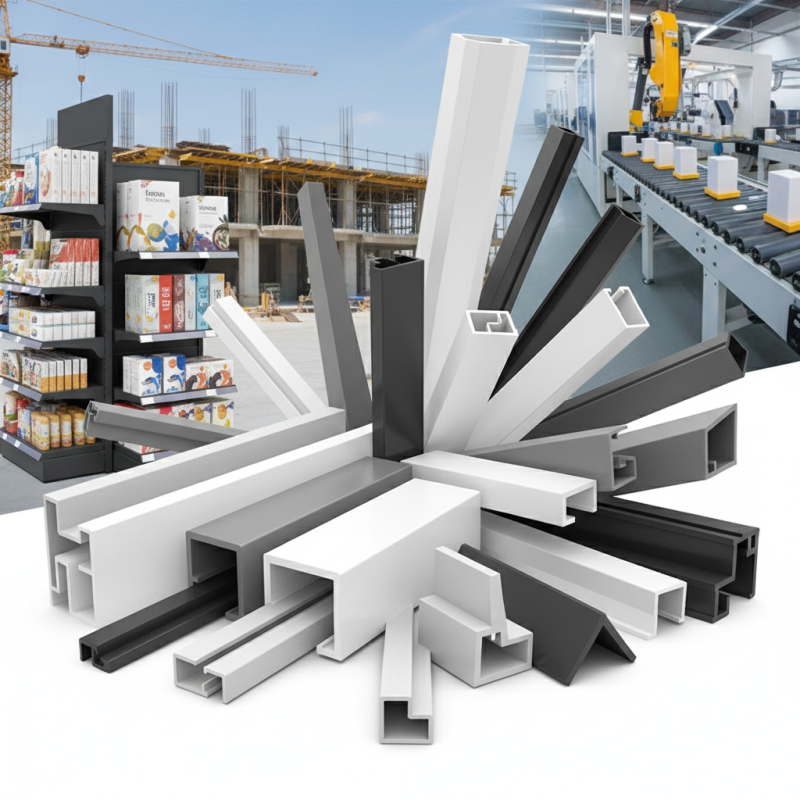
Plastic angles are versatile components widely used in various applications. They are formed by molding plastic into a right-angled shape. This design adds strength and stability. Common characteristics include lightweight, durability, and resistance to corrosion. Plastic angles come in various sizes and colors, allowing for customization in different projects.
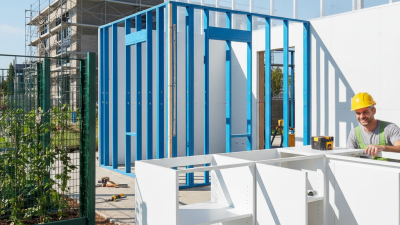
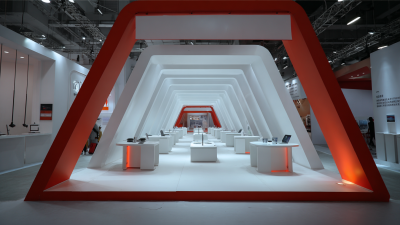
These angles find usage in construction and manufacturing. In construction, they can support structures and frames. Their lightweight nature makes handling easy. In manufacturing, plastic angles can serve as guides or frames for machines. They are often used in cabinetry and display fixtures as well. This versatility enhances efficiency in different industries.
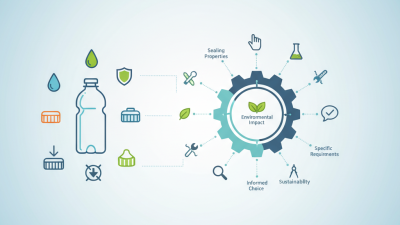
However, while plastic angles are beneficial, their environmental impact raises questions. Plastic production contributes to pollution. Recycling options are limited, which can lead to waste. It's essential to consider these factors when choosing materials for projects. Balancing practicality with sustainability is crucial. The ongoing challenge is to find eco-friendly alternatives for such commonly used items.
Plastic angles are versatile components found in various industries. The production of these angles often relies on a few key materials. Common choices include PVC, polypropylene, and polystyrene. These materials are favored for their durability and versatility.
PVC is popular due to its strength and resistance to various chemicals. It can withstand exposure to moisture, making it an ideal choice for outdoor applications. Polypropylene, on the other hand, is lightweight and flexible. This material is often used in packaging and storage solutions. Polystyrene offers good insulation properties, which is beneficial in construction settings.
While these materials have great benefits, they may also present challenges. For instance, the environmental impact of plastic waste is a pressing issue. Additionally, the production process can sometimes lead to inconsistencies in quality. It’s crucial to choose suppliers who prioritize sustainability and quality. Balancing functionality with environmental responsibility remains an ongoing challenge in the industry.
Plastic angles are versatile components in construction and DIY projects. They are typically used for framing and support. Their lightweight nature makes them easy to handle. Many people use plastic angles to create strong joints in their projects. This feature is especially useful in making quick repairs or building simple structures.
In home improvement, plastic angles can support shelves or furniture. They lend stability while being resistant to moisture and corrosion. Gardeners often use plastic angles to create raised beds. They help define the shape of planting areas. Some use them for borders, which keep soil and plants neatly in place. However, securing them properly can sometimes be challenging. Over time, they may not perform as expected without adequate support.
When creating projects, the flexibility of plastic angles is both an advantage and a limitation. They can be cut to fit various dimensions. Yet, users must measure carefully to avoid waste. Misalignment can lead to weak structures. Despite these challenges, plastic angles remain a popular choice for many DIY enthusiasts.
Plastic angles present several advantages over traditional materials. They are lightweight yet durable, which makes them easy to handle. Unlike metal, plastic won't rust or corrode. This is especially useful in humid environments. Users often appreciate the variety of colors available, making it easier to match project aesthetics. Manufacturing plastic angles requires less energy than metals, aligning with eco-friendly practices.
Another key benefit is the cost-effectiveness of plastic angles. They are typically cheaper due to lower production costs. This lower cost can significantly impact large-scale projects. However, some might find them less robust than metal options. Care should be taken in load-bearing applications. Improper use can lead to unexpected failures. Thus, while they are versatile, it's crucial to assess their limits. Balancing cost and functionality is a challenge that users face. Consider these factors before choosing plastic angles for your project.
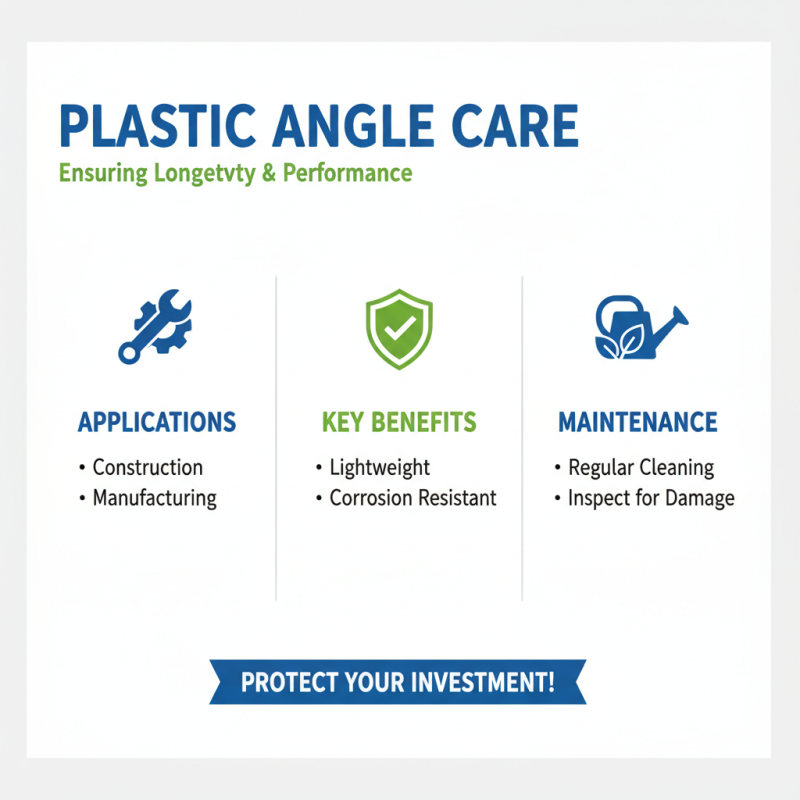
Maintaining plastic angles requires specific care in various settings. These angles are widely used in construction and manufacturing. They are lightweight and resistant to corrosion. However, they do require attention to ensure longevity.
Tips: Regular inspections can prevent unexpected damage. Look for cracks or bends. Early detection is key. Clean surfaces with a mild soap solution. Avoid harsh chemicals that may degrade the material.
In a workshop, keep plastic angles away from heavy machinery. Accidental impacts can cause unseen damages. Be careful when stacking materials. Uneven pressure can lead to distortions over time.
In outdoor settings, consider UV exposure. Prolonged sunlight can cause fading and brittleness. Using a UV protective cover can help extend lifespan. Remember, neglect can lead to costly replacements.