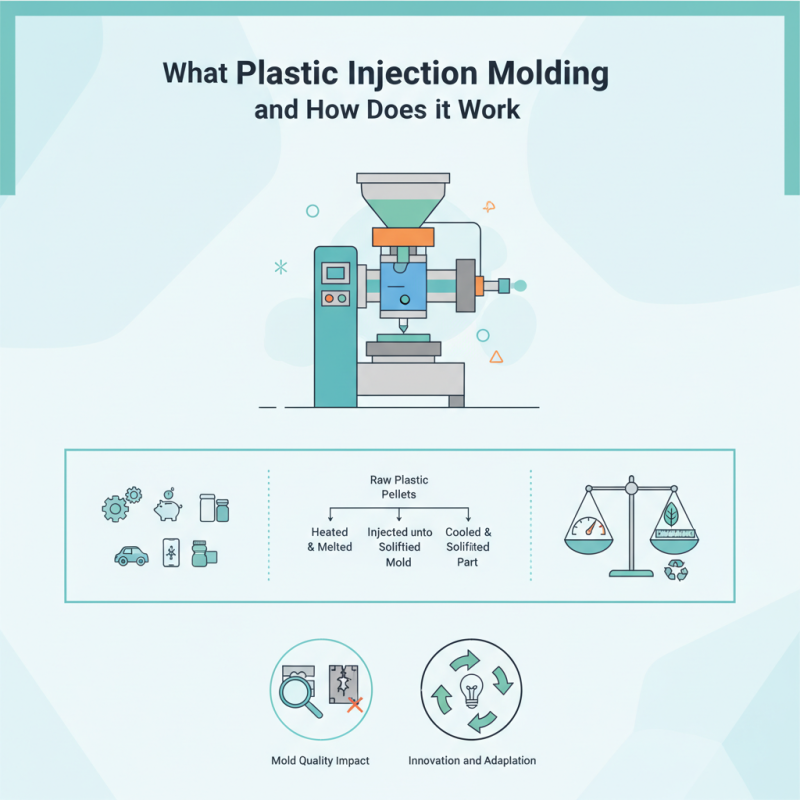
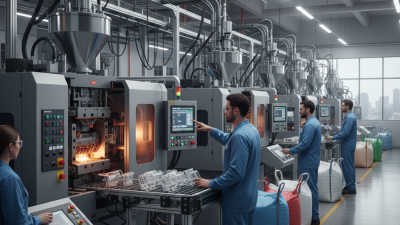
Plastic injection molding is a highly efficient manufacturing process that has revolutionized the production of various plastic products, ranging from simple household items to complex industrial components. This technique involves injecting molten plastic into a mold, where it cools and solidifies into the desired shape. The versatility of plastic injection molding makes it an indispensable method in industries such as automotive, consumer goods, and medical devices, allowing for high-volume production and precision engineering.
Understanding how plastic injection works is crucial for manufacturers and engineers alike, as it involves various stages, including material selection, heating, injection, cooling, and ejection. Each step plays a significant role in determining the quality and characteristics of the final product. The ability to create intricate designs and maintain tight tolerances sets plastic injection molding apart from other manufacturing methods, making it a preferred choice for many applications. In the following sections, we will delve deeper into the intricacies of plastic injection molding, exploring its benefits, the machinery involved, and best practices to optimize the process for maximum efficiency and quality.
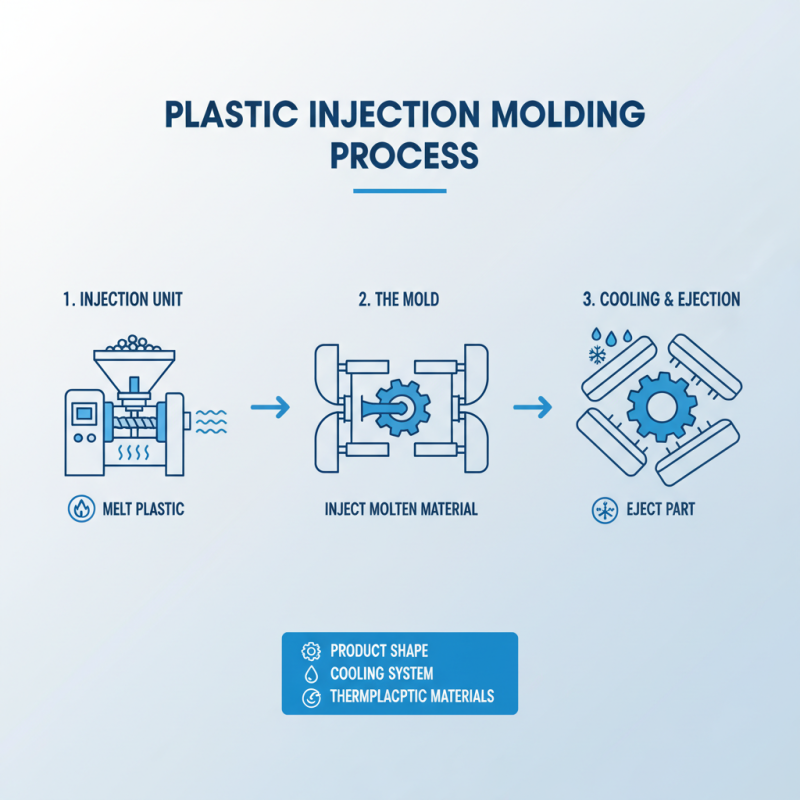
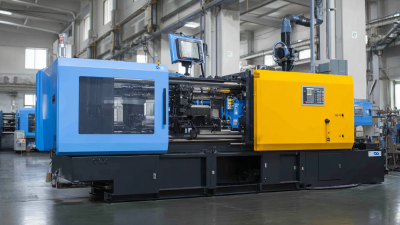
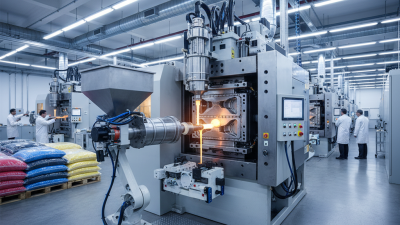
Plastic injection molding is a manufacturing process used to create a wide variety of plastic products by injecting molten plastic into a mold. The process begins with the key components: the injection molding machine, the mold, and the raw plastic material. The injection molding machine consists of a hopper that feeds plastic pellets into a heated barrel where they are melted. This molten plastic is then injected into a precisely designed mold, which shapes the plastic as it cools and solidifies.
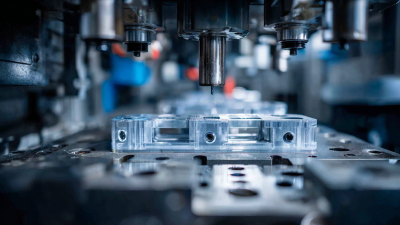
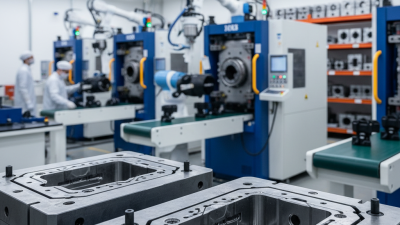
The mold itself is a critical component in plastic injection molding, typically made from steel or aluminum, and designed to create objects with detailed features. It comprises two halves: the core and the cavity, which together form the final shape of the product. Once the molten plastic is injected, the mold is cooled using a cooling system that helps in solidifying the plastic quickly and ensuring consistency in production.
Understanding these components is essential for manufacturers looking to optimize their production process. The efficiency and quality of plastic products heavily depend on the design of the mold and the precision of the injection molding machine, making it crucial to choose materials and designs that align with the intended use of the final product.
| Key Component | Description | Function |
|---|---|---|
| Injection Machine | A machine that melts plastic pellets and injects them into a mold. | To transform solid plastic into a molten state for molding. |
| Mold | A hollow metal block that gives shape to the injected plastic. | To create the final shape and design of the product. |
| Injection Unit | Part of the injection machine that melts and injects the plastic. | To manage the heating and injection process of the plastic material. |
| Clamping Unit | Part of the machine that holds the two halves of the mold together. | To keep the mold securely closed during injection and cooling. |
| Cooling System | A system within the mold that helps to cool and solidify the plastic. | To ensure the product hardens correctly and maintains dimensional accuracy. |
The process of plastic injection molding involves several critical steps that transform raw plastic pellets into finished products. It begins with the heating of plastic pellets in a hopper, where they are melted until they achieve a viscous consistency.
This molten plastic is then injected into a precisely designed mold under high pressure, ensuring that every detail of the mold is filled. The pressure maintained during this phase is essential for producing high-quality parts, preventing defects and ensuring consistency across multiple pieces.
After the mold is filled, the plastic cools and solidifies, taking on the shape of the mold. This cooling phase can vary in duration depending on the type of plastic used and the complexity of the mold design. Once the plastic has cooled sufficiently, the mold opens, and the finished part is ejected. This step might involve additional mechanisms to ensure that the product is released without damage. Finally, the part is often inspected for quality control before proceeding to any secondary processes, such as trimming or assembly, if required. This systematic approach allows for the efficient mass production of intricate plastic components used in various applications across numerous industries.
In plastic injection molding, the choice of materials is crucial for ensuring the desired properties and functionalities of the final products. The most commonly used materials include thermoplastics and thermosetting plastics. Thermoplastics such as polypropylene, polystyrene, and polyethylene are favored for their versatility, being recyclable and easy to process. These materials become pliable when heated, allowing for complex shapes to be formed during the injection molding process. Their inherent flexibility makes them suitable for a wide range of applications, from consumer goods to automotive parts.
On the other hand, thermosetting plastics like epoxy and phenolic resins are used when high heat resistance and structural integrity are required. Once these materials are molded and cured, they cannot be remelted, which provides enhanced durability and stability in demanding environments. The selection between thermoplastics and thermosetting plastics depends heavily on the specific requirements of the project, such as strength, flexibility, thermal resistance, and cost considerations. Understanding these materials allows manufacturers to optimize their processes and produce components that meet client specifications effectively.
Plastic injection molding is a versatile manufacturing process widely used across various industries. This technique is pivotal in sectors such as automotive, consumer goods, healthcare, and electronics. According to a report by MarketsandMarkets, the global plastic injection molding market is projected to reach $423.14 billion by 2027, growing at a CAGR of 5.5% from 2022 to 2027. This growth underscores the increasing demand for precision-engineered components, particularly in the automotive industry, where lightweight and durable parts are essential for enhancing fuel efficiency.
In the healthcare industry, plastic injection molding offers significant advantages, such as the ability to produce complex shapes that meet stringent sanitary standards. The Medical Device Industry Report states that around 30% of medical devices are manufactured using this method, highlighting its critical role in producing consumables like syringes, IV bags, and various surgical instruments. Additionally, the electronic sector relies heavily on injection-molded components, with an estimated 40% of all electronic enclosures produced via this technique, showcasing its importance in ensuring device safety and functionality.
Tips: When considering plastic injection molding for your project, it is essential to ensure the design is optimized for mass production. Simplifying complex geometries can reduce costs significantly. Additionally, integrating features such as snap-fits or draft angles can enhance the manufacturability of the parts, facilitating easier assembly and reducing cycle times in production processes. Always collaborate with experienced engineers to leverage best practices in design and material selection.
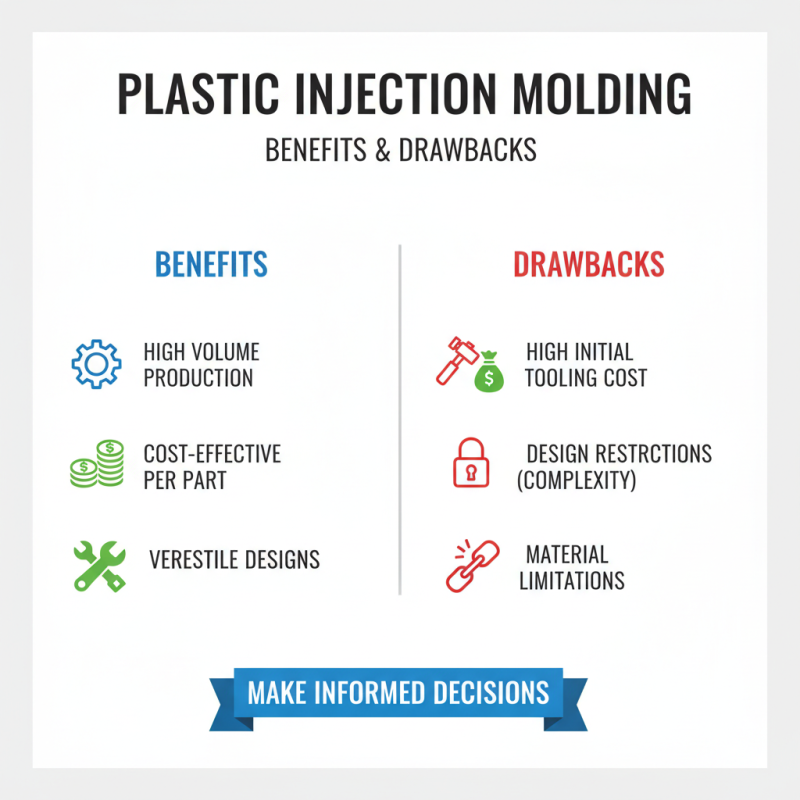
Plastic injection molding is a widely utilized manufacturing process known for its efficiency and cost-effectiveness. One of the key advantages of this method is its ability to produce large quantities of identical plastic parts with high precision. According to a report by the International Plastics Manufacturing Association, nearly 32% of plastic products in various industries are produced using injection molding techniques, emphasizing its significance in modern manufacturing.
However, despite its many benefits, plastic injection molding is not without its disadvantages. The initial setup and tooling costs can be significant, as the molds required for production are expensive and time-consuming to create. Furthermore, while the process allows for intricate designs and uniformity, it can be limited to certain types of thermoplastics, which restricts material flexibility. As per a recent study by the Society of Plastics Engineers, around 15% of manufacturers have reported challenges in adapting to rapid changes in product design, which can lead to increased production times and costs.
In addition to financial implications, environmental concerns are also a crucial factor to consider. The production of plastic materials contributes to environmental issues, and while advancements in recycling technologies are underway, they still face limitations. According to the Environmental Protection Agency, only about 9% of plastic waste is successfully recycled, raising significant concerns regarding sustainability in the long run. These factors highlight the need for manufacturers to carefully weigh the advantages against the potential drawbacks when considering plastic injection molding for their production needs.
This chart illustrates the advantages and disadvantages of plastic injection molding, evaluating aspects like cost efficiency, production speed, design flexibility, material waste, and initial setup costs on a scale of 1 to 10. Higher values indicate greater advantages while lower values highlight challenges in the injection molding process.