What is Poly Plastic and How is it Used in Daily Life?
Poly plastic is a versatile material found in countless products we use daily. From packaging to household items, it plays a pivotal role. Dr. Emily Carter, a leading expert in polymer science, emphasizes, "Poly plastic has revolutionized how we interact with everyday objects." This statement reflects its significant impact.
In our homes, poly plastic is everywhere. It's in containers, utensils, and toys. You might grab a plastic bottle without thinking. Yet, the implications of its use are complex. While poly plastic is convenient, its environmental impact is alarming. The durability that makes it useful also leads to pollution.
Daily, we are presented with choices about using poly plastic. The convenience of this material can overshadow the need for sustainable options. Each time we choose poly plastic, it invites us to reflect on our consumption and waste. What alternatives can we consider? How can we make better choices? Balancing utility and responsibility in our lives is essential.

Definition and Composition of Poly Plastic
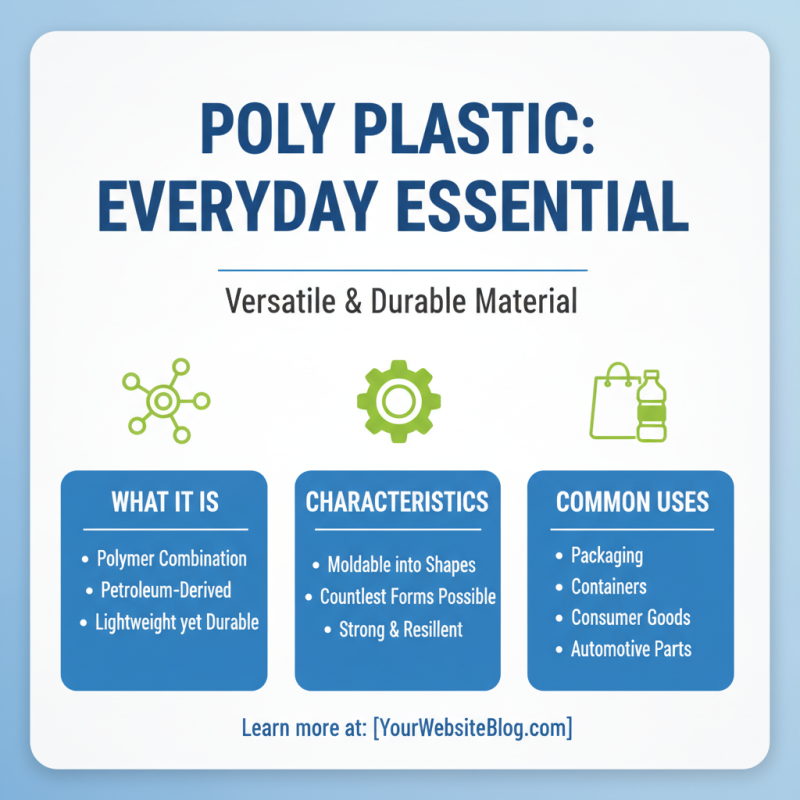
Poly plastic is a versatile material commonly found in various aspects of daily life. It is made from a combination of polymers, primarily derived from petroleum products. This process generates lightweight yet durable substances. The molecular structures in poly plastics allow them to be molded into countless shapes and forms.
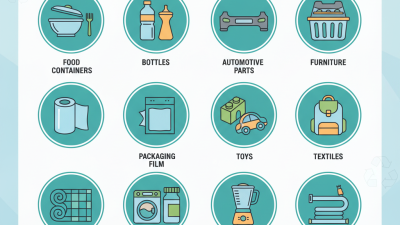
In our homes, poly plastic is everywhere. It is used in packaging, containers, and household items. Think about the intricacies of everyday products. From food storage bags to water bottles, these items showcase poly plastic's adaptability. Yet, the widespread use of poly plastics raises environmental concerns. Improper disposal can lead to pollution and harm wildlife.
Reflecting on our habits, many of us rely heavily on disposable poly plastic products. This convenience often overshadows the need for sustainability. Despite its usefulness, we should consider alternatives that minimize harm. Awareness and responsible use of poly plastic are essential for a healthier planet.
Common Types of Poly Plastic Used in Everyday Products
Poly plastic, or polyethylene, is a common material in everyday life. It comes in various forms, making it versatile for many applications. Some of the most common types include low-density polyethylene (LDPE) and high-density polyethylene (HDPE).
[图片]
LDPE is found in shopping bags and flexible containers. HDPE is used for bottles and sturdy containers.
According to a report from the Plastics Industry Association, over 30 million tons of polyethylene are used in the U.S. each year. This represents a significant portion of the overall plastic market. Despite its utility, the environmental impact of poly plastics is hard to ignore. Awareness is growing, and many people are questioning their daily choices.
Tips: Always check recycling codes on products. LDPE typically has the "4" code, while HDPE shows a "2." Remember that not all plastics are recyclable. Look for alternatives when possible. Reducing your plastic use doesn't seem easy, but every small change matters.
Applications of Poly Plastic in Home and Industry
Poly plastic, a versatile material, plays a significant role in both home and industrial applications. Its properties, such as durability and resistance to moisture, make it a popular choice in various sectors. According to a recent report by industry analysts, the global demand for poly plastics is expected to grow by 4.5% annually through 2027.
In homes, poly plastic is commonly found in items like storage containers, packaging, and insulation materials. These items help keep spaces organized and energy-efficient. Poly bags make grocery shopping easier, though they can contribute to waste. The environmental impact of poly plastic waste is a concern. Recyclability is limited in certain regions, which raises questions about sustainability.
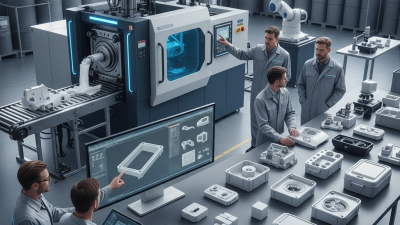
In industrial settings, poly plastic is utilized in manufacturing processes, automotive parts, and construction. Reports indicate that the automotive sector accounts for over 20% of poly plastic consumption. While it enhances product life and performance, challenges remain. Reducing plastic dependency and implementing recycling programs is crucial. Transitioning to alternative materials could address these issues, yet this shift can be slow and complex.
Environmental Impact and Recycling of Poly Plastic
Poly plastic is widely used in many aspects of daily life. From packaging materials to household items, its versatility is undeniable. However, the environmental impact of poly plastic is concerning. It takes hundreds of years to decompose, leading to serious pollution issues. In oceans and waterways, plastic waste poses a grave threat to marine life. Animals often mistake plastic debris for food, resulting in fatal consequences.
Recycling offers a potential solution. Yet, the recycling rates for poly plastic remain low in many areas. Many people are unaware of how to properly dispose of these materials. This ignorance contributes to plastic waste accumulating in landfills. Despite advancements in recycling technology, much of it still ends in incinerators or oceans. Raising awareness about recycling practices is crucial.
Not all types of poly plastic are recyclable, adding to the confusion. Products made with different plastics should not be mixed in recycling bins. This can result in contamination, making materials non-recyclable. Encouraging mindful consumption can help mitigate these issues. Simple changes, like using reusable bags, can make a difference. Choosing sustainable alternatives reduces reliance on poly plastic over time.
Poly Plastic Usage in Daily Life
Future Trends in Poly Plastic Production and Usage
Poly plastic has become a common material in various aspects of daily life. Its lightweight nature and durability make it appealing. However, the production and usage of poly plastic are rapidly evolving. New techniques are emerging that aim to reduce environmental impact. Innovations focus on creating biodegradable options. These materials break down more easily in natural conditions.
The future of poly plastic lies in sustainability. Researchers explore alternatives that maintain functionality while being eco-friendly. For instance, some experiments involve plant-based materials. These can replace traditional petrochemical sources. However, challenges persist in terms of cost and applicability. The industry must address these issues before widespread adoption occurs.
In addition, recycling methods are improving. Communities are adopting better sorting techniques. This helps ensure more plastic is recycled effectively. Still, public awareness remains a hurdle. Many individuals lack knowledge of proper disposal methods. Continuous education is vital for future success. Quality and sustainability are key considerations for poly plastic's evolution.
What is Poly Plastic and How is it Used in Daily Life? - Future Trends in Poly Plastic Production and Usage
| Application |
Poly Plastic Type |
Sustainability Aspect |
Future Trends |
| Packaging |
Polyethylene (PE) |
Recyclable, lightweight |
Increased biodegradable options |
| Consumer Goods |
Polypropylene (PP) |
Durable, less plastic waste |
Smart recycling technologies |
| Automotive Parts |
Polyurethane (PU) |
Lightweight and energy-efficient |
Innovations in bio-based PU |
| Construction Materials |
Polyvinyl Chloride (PVC) |
Long-lasting, energy-efficient |
Flexible design and recycling |
| Medical Supplies |
Polystyrene (PS) |
Hygienic, single-use |
Recyclable medical products |