10 Best Polyvinyl Chloride Suppliers for Global Buyers
Choosing a polyvinyl chloride supplier is more than comparing prices. Resin quality can affect processing, product strength, and production schedules. PVC is used in applications ranging from pipes and cable insulation to flooring and profiles. Each use may require a different grade, specification, or level of technical support.
Details matter. A dependable supplier should explain product specifications clearly and provide relevant, current documentation. Buyers can ask about batch consistency, packaging options, sample availability, and typical lead times. For international orders, shipping experience and responsive communication also count. A low quotation may look attractive, but unexpected delays or inconsistent material can cost more over time.
This guide introduces ten suppliers for global buyers to assess. It considers factors such as product range, export capability, quality processes, and customer support, rather than treating price as the only measure. The right choice depends on your application, order volume, destination, and internal requirements. Ask suppliers how they handle specification changes and resolve quality concerns. That takes time. And no shortlist can replace checking a supplier’s current capabilities directly. Company details and service coverage may change, so verify important claims before requesting a quote or placing an order.
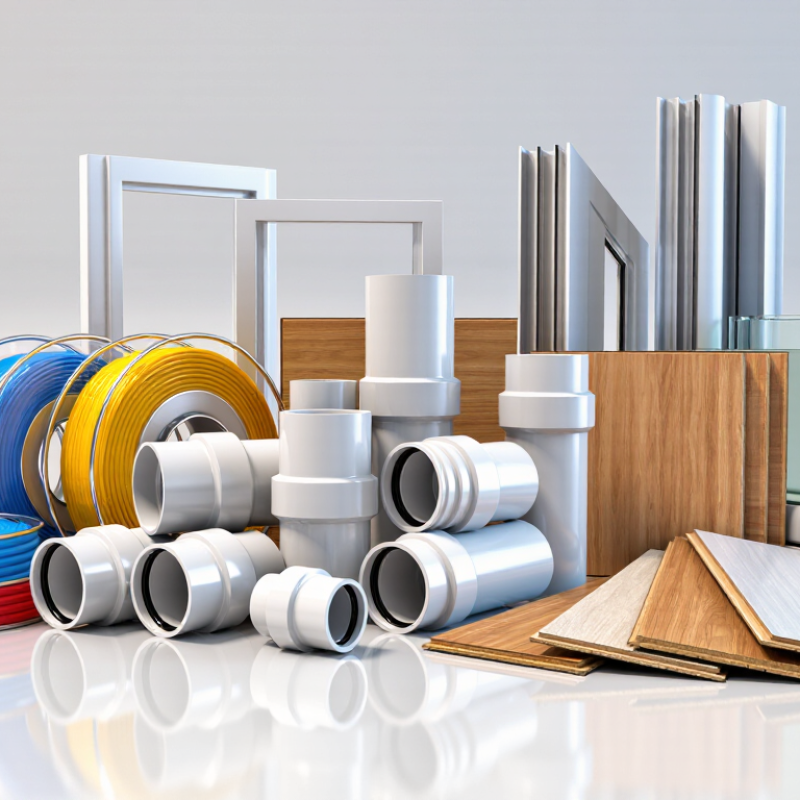
Understanding Polyvinyl Chloride and the Global PVC Market
Polyvinyl chloride, or PVC, is a thermoplastic valued for durability, chemical resistance, and adaptable performance. In its unmodified form, it is rigid. Additives can make it flexible, improve processing, or support resistance to sunlight and heat. That versatility explains PVC’s presence in water pipes, window profiles, cable insulation, and flooring. Small formulation differences matter.
The global PVC market is shaped by construction demand, feedstock costs, energy prices, and shipping capacity. These factors can affect availability and quotations across regions. Buyers should compare the exact resin grade, intended application, and technical data—not price alone. A low quotation may exclude protective packaging or reflect a different specification. Details can hide in plain sight.
Supplier checks should include recent product data, batch documentation, sample testing, and clear lead-time estimates. Ask how quality is monitored between shipments, especially when production sites or routes change. Resin performance can vary with processing conditions, so trial runs are useful before larger orders. Even careful comparisons have limits: a sample cannot guarantee every future batch. Independent verification and steady communication help reduce uncertainty.
Criteria for Evaluating PVC Suppliers
Evaluating PVC suppliers starts with the grade, not the sales pitch. Match resin properties to the intended process, such as extrusion or injection molding. Ask for current technical data and safety documentation, then compare key values across suppliers. These may include K-value, bulk density, particle size, and processing recommendations. A specification sheet should be clear about test methods and acceptable tolerances.
Consistency matters. Request certificates for recent batches and check whether lot numbers link documents to shipped material. If possible, run a sample through your own equipment. Watch for uneven feeding, color variation, or changes in cycle time. A polished brochure is not proof. Small details matter. One trial cannot reveal every production issue, so record results over multiple batches when practical.
Review capacity, lead times, packaging, and export experience alongside product quality. Ask how the supplier handles shortages, delayed shipments, and out-of-spec material. Clear answers are useful; vague promises deserve follow-up. Check references from buyers with similar volumes and applications, but treat them as one source of evidence. No scorecard is perfect. A supplier may perform well technically yet communicate slowly, a trade-off worth documenting before you commit.
Profiles of Leading Polyvinyl Chloride Suppliers
Leading polyvinyl chloride suppliers differ in scale, product range, and customer support. Large integrated producers often offer suspension and emulsion resins, with established export logistics and technical teams. Their broad capacity can help buyers maintain supply across multiple regions. Yet large order minimums may not suit every manufacturer.
Regional producers may provide shorter delivery routes and closer communication. Ask for grade data, including K-value, bulk density, and moisture limits. Request a recent certificate of analysis and samples for production trials. Details matter. A distributor can be useful when buyers need mixed grades, smaller quantities, or local warehousing. Check how it manages stock rotation and traces batches. These steps reveal more than a polished catalogue.
Some suppliers specialize in application support for pipe, cable, profiles, or flexible products. Their engineers may help match resin properties to processing conditions, such as extrusion temperature or impact requirements. Support should be specific, not just reassuring. Compare packaging options, lead times, and the supplier’s process for handling quality concerns. A neat spreadsheet can still miss a late shipment or a grade that behaves differently on your line. No supplier is the best fit for every buyer; trial data and consistent documentation deserve careful attention.
Comparing Supplier Products, Certifications, and Global Reach
Comparing PVC suppliers means looking beyond price per tonne. Check whether each offers suspension, emulsion, or specialty grades, then match technical data sheets to your process. Ask for typical K-value, bulk density, and lot-to-lot tolerance; a low-cost grade may require slower line settings. Numbers need context. The OECD’s 2022 Global Plastics Outlook estimated 460 million tonnes of plastics were used worldwide in 2019, underscoring the scale of material sourcing and waste-management decisions.
Certifications matter when their scope is clear. Verify that an ISO 9001 certificate covers the actual producing site, and request current product test reports and safety data sheets. For recycled-content claims, ask how feedstock and percentages are documented. The OECD report also estimated that 353 million tonnes of plastic waste were generated in 2019, with only 9% ultimately recycled. That figure covers plastics broadly, not PVC alone.
Global reach is more than a map of sales offices. Compare export experience, port options, packaging formats, shipment tracking, and local technical support. Ask for recent delivery-time ranges to your destination and a written plan for delayed cargo. Paper is not proof. A polished supplier questionnaire still cannot show how a shipment behaves during a real port disruption, so check references and trial a small batch before committing to long-term volumes.
10 Best Polyvinyl Chloride Suppliers for Global Buyers
A product-focused comparison: representative density midpoints for common PVC material types, useful when reviewing supplier specifications.
Values are approximate midpoints of commonly encountered density ranges in g/cm³, not supplier-specific ratings. Actual density varies with formulation and additives; verify product data sheets and relevant certifications when comparing suppliers.
Choosing a PVC Supplier for Your Procurement Needs
Choosing a PVC supplier starts with matching the material to its end use. PlasticsEurope’s Plastics—the Fast Facts 2023 reports that PVC accounted for about 12% of global plastics production in 2022. That scale makes supplier consistency important: small differences in formulation can affect flexibility, impact resistance, or processing. Ask for the grade’s technical data sheet, safety data sheet, and batch-specific certificate of analysis. Check that the stated properties match your production conditions, not just a general product description.
Look beyond the quoted price. Confirm minimum order quantities, lead times, packaging, and how the supplier handles delayed shipments or quality complaints. For a first order, test a sample on your own equipment; a neat data sheet cannot predict every processing issue. Review traceability and quality-system records, while remembering that certification alone does not guarantee a suitable product. Compare suppliers using the same criteria, and document any agreed tolerances in writing. Scorecards help, but they can miss practical details—like whether a pallet fits your storage area. Ask specific questions before committing.