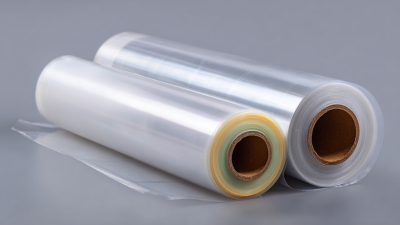
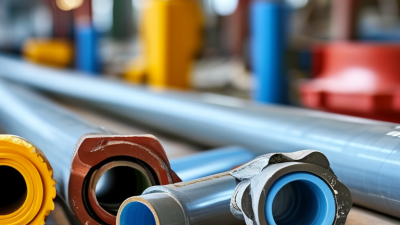
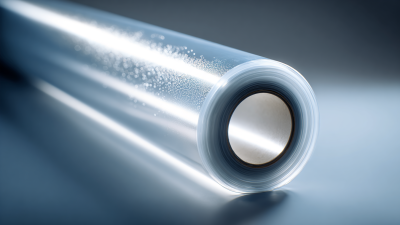
PVC sheets are flat plastic panels made from polyvinyl chloride, a material valued for its durability, low maintenance, and adaptable surface finish. They appear in wall cladding, machine guards, signs, fabrication projects, and interior protection. A sheet may look simple, yet its formulation matters. Resin quality, plasticizers, stabilizers, thickness, and surface treatment can change its performance.
Common types include rigid PVC sheets, flexible PVC sheets, clear PVC sheets, foam PVC sheets, and corrugated PVC panels. Rigid sheets hold their shape around workshops and commercial interiors. Flexible grades bend around covers, seals, and protective curtains. Clear PVC supports visibility while separating spaces. Foam PVC feels lighter and cuts easily, making it popular for displays and lightweight panels. Corrugated sheets offer a structured profile for practical barriers and coverings.
Material specialist Joe Thornton once warned, “PVC is the single most environmentally damaging of all plastics.” That statement deserves attention, even when PVC sheets remain useful. Responsible selection should consider service life, additives, indoor exposure, recycling options, and end-of-life handling. A low-cost sheet can become a poor choice if it cracks under sunlight or releases an unsuitable odor indoors.
This guide examines PVC sheet construction, grades, finishes, thicknesses, and practical uses. It also questions common assumptions. “Waterproof” does not always mean chemical-proof. “Rigid” does not mean unbreakable. The right type depends on real conditions, not only a product label.
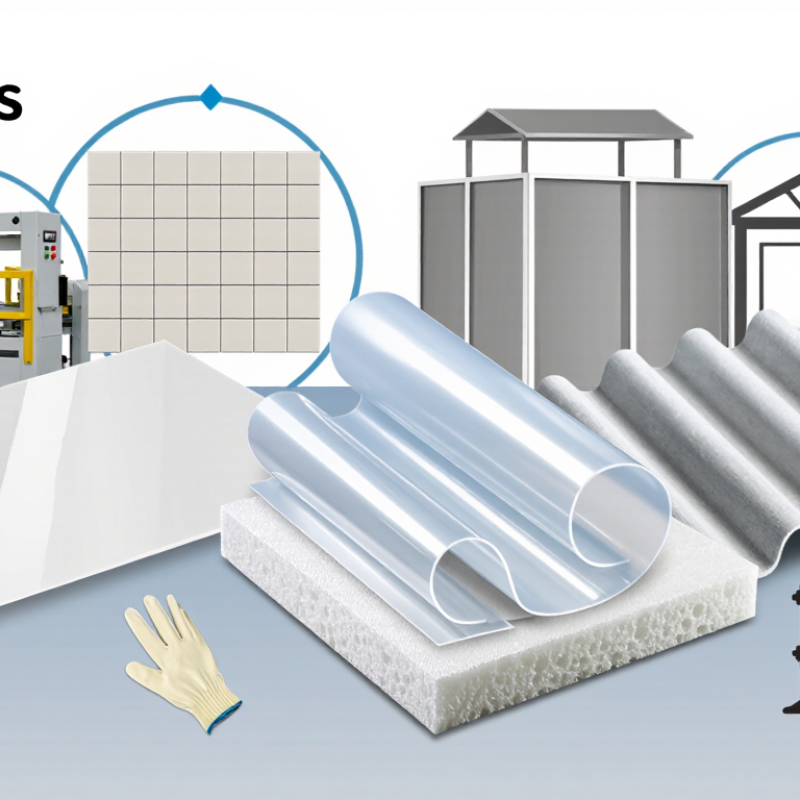
PVC sheets are flat panels made from polyvinyl chloride resin. It starts as powder. Manufacturers blend the resin with stabilizers, pigments, fillers, and other additives. These ingredients control color, hardness, weather resistance, and processing behavior. The mixture is heated until it becomes a uniform plastic mass.
The softened material usually passes through rollers or an extrusion die. Calendaring creates consistent sheets with controlled thickness. Extrusion pushes the material through a shaped opening. Cooling rollers then flatten and stabilize the panel. Cutting equipment produces the required dimensions. In practice, the process is not perfectly uniform. Temperature, pressure, and cooling speed can affect the final surface.
PVC sheets are available in several useful forms. Rigid PVC, often called unplasticized PVC, provides strength for partitions, protective panels, and fabricated components. Flexible PVC contains plasticizers, making it suitable for covers, seals, and bendable products. Foamed PVC has a lighter cellular core and can be easier to cut and route. Clear or translucent grades allow limited light transmission, although clarity depends on formulation and thickness.
A sheet may look simple, but its performance depends on more than thickness. Surface finish, density, additive selection, and storage conditions also matter. A panel stored in strong heat may expand or warp. That detail is easy to overlook. Careful suppliers document dimensions, tolerances, and recommended fabrication methods, helping users select a sheet for its actual working environment.
PVC sheets are flat panels made from polyvinyl chloride, a versatile thermoplastic. Their main properties change with formulation, thickness, and processing method. Rigid PVC sheets feel firm and hold their shape under moderate loads. Flexible grades bend more easily because they contain plasticizers. Foam PVC sheets are lighter and easier to route, cut, and print. They are practical.
Moisture resistance is a major advantage. A properly finished sheet does not readily absorb water, making it useful for wall panels, signs, covers, and fabricated enclosures. PVC also offers useful resistance to many diluted acids, alkalis, salts, and household chemicals. It provides electrical insulation and has a smooth surface that is simple to wipe clean. However, chemical resistance is not universal. Solvents, heat, or long exposure can cause swelling, discoloration, or softening.
PVC sheets are generally lightweight compared with metal panels, which helps during handling and installation. Their thermal performance is more limited. High temperatures may cause warping, while very low temperatures can make rigid grades brittle. Outdoor use requires careful attention to ultraviolet stability and weathering additives. Fire behavior also depends on the exact composition and thickness; it should be verified through technical data, not assumed from the word “PVC.”
In practical work, accurate cutting and supported fixing matter as much as the material itself. A thin sheet may flex between fasteners. A thicker sheet may still crack around poorly drilled holes. I would not select PVC from appearance alone. Checking the intended temperature, chemical contact, load, and certification requirements leads to a more reliable choice.
| Dimension | PVC Sheet Type or Property | Typical Characteristics | Common Applications | Important Considerations |
|---|---|---|---|---|
| Material Definition | Polyvinyl Chloride Sheet | A flat, polymer-based sheet made from polyvinyl chloride resin, additives, stabilizers, pigments, and other modifiers. | Fabrication, construction, signage, equipment covers, liners, and protective panels. | The final performance depends on the PVC formulation, thickness, reinforcement, surface finish, and processing method. |
| Sheet Structure | Rigid PVC Sheet | Hard, dimensionally stable, and generally non-flexible at room temperature. | Partitions, tanks, ducts, machine guards, display panels, and fabricated components. | It can be cut, drilled, routed, thermoformed, welded, or bonded with suitable methods. |
| Sheet Structure | Flexible PVC Sheet | Softened with plasticizers, allowing bending and partial flexibility. | Curtains, gaskets, covers, flexible barriers, flooring layers, and protective membranes. | Flexibility, chemical resistance, and service life vary with plasticizer type, temperature, and exposure conditions. |
| Cellular Construction | Foam PVC Sheet | A lightweight sheet with a cellular core, usually easier to handle and machine than solid PVC. | Signboards, exhibition panels, interior displays, models, and decorative wall elements. | It is lighter than solid sheet but generally has lower impact strength and load-bearing capability. |
| Reinforcement | Rigid PVC with Reinforcement | PVC sheet combined with reinforcement or a composite layer to improve stiffness or dimensional stability. | Structural panels, equipment housings, industrial covers, and specialized fabricated parts. | The reinforcement can affect drilling, cutting, joining, recycling, and thermal expansion behavior. |
| Surface Finish | Smooth or Glossy Surface | Low-porosity surface that is relatively easy to clean and can provide a uniform appearance. | Cleanroom-related panels, signs, interior cladding, and visible fabricated surfaces. | Scratches may be more visible on glossy finishes; abrasive cleaning should be avoided. |
| Surface Finish | Matte or Textured Surface | Reduced reflectivity and improved visual uniformity, with textures that can help conceal minor marks. | Wall panels, displays, interior components, and applications requiring reduced glare. | Textured surfaces may require more careful cleaning because dirt can collect in the surface pattern. |
| Mechanical Property | Strength and Stiffness | Rigid PVC provides useful stiffness and moderate mechanical strength for many non-structural applications. | Guards, housings, partitions, ducts, and fabricated industrial components. | PVC sheets are not normally selected as a substitute for structural metals where high loads are involved. |
| Mechanical Property | Impact Resistance | Moderate impact resistance; impact performance generally decreases at low temperatures and improves with suitable modifiers. | Protective panels, enclosures, interior trim, and general-purpose fabrication. | The appropriate grade and thickness should be selected when repeated impact or shock loading is expected. |
| Chemical Property | Chemical Resistance | Good resistance to many acids, alkalis, salts, and aqueous solutions. | Chemical tanks, laboratory fittings, process equipment, ducts, and liquid-containment liners. | Compatibility should be checked for strong oxidizers, aromatic solvents, ketones, esters, and elevated temperatures. |
| Water Performance | Moisture and Water Resistance | Low water absorption and good resistance to moisture under normal service conditions. | Wet-area panels, tanks, liners, partitions, and protective covers. | Edges, joints, fasteners, and fabrication details can determine the overall water-tightness of an assembly. |
| Thermal Property | Service Temperature | Common PVC sheet grades are generally used in moderate-temperature environments, often around 0–60°C depending on formulation. | Indoor fabrication, equipment covers, ducts, containers, and general industrial applications. | Continuous-use temperature limits must be confirmed for the specific grade; heat can cause softening and deformation. |
| Thermal Property | Thermal Expansion | PVC expands and contracts more than many metals when temperature changes. | Large panels, exterior installations, cladding, and assemblies exposed to temperature variation. | Allowances for movement, suitable fasteners, and correctly designed joints help reduce warping or buckling. |
| Electrical Property | Electrical Insulation | PVC is generally a good electrical insulator when clean, dry, and used within its temperature and voltage limits. | Cable protection, electrical enclosures, insulating barriers, and equipment components. | Electrical performance can be affected by moisture, contamination, temperature, additives, and mechanical damage. |
| Fire Behavior | Flame Resistance | The chlorine content of PVC can contribute to self-extinguishing behavior in some formulations. | Building interiors, cable-related components, enclosures, and industrial panels where specified. | Fire performance is grade-specific; smoke, corrosive gases, and applicable fire codes must also be considered. |
| Fabrication | Machinability | Can typically be sawn, drilled, routed, punched, thermoformed, and mechanically fastened with suitable tooling. | Custom panels, tanks, guards, covers, displays, and prototypes. | Tool speed, heat generation, chip removal, and edge finishing should be controlled to prevent melting or distortion. |
| Joining | Welding and Bonding | Rigid PVC can be joined using compatible solvent cements, adhesives, or hot-gas and heated-tool welding methods. | Chemical tanks, ductwork, pipe-related fabrications, and sealed assemblies. | Joint preparation, cleanliness, compatible materials, and process control are essential for reliable connections. |
| Durability | Weather and UV Resistance | Indoor durability is generally good; outdoor performance depends on stabilizers, pigments, surface protection, and exposure level. | Exterior signs, cladding, outdoor covers, and temporary or permanent outdoor panels. | Long-term sunlight exposure can cause fading, chalking, embrittlement, or loss of impact performance in unsuitable grades. |
| Appearance | Color and Opacity | Available in opaque colors and, in some formulations, translucent or transparent forms. | Signs, displays, partitions, protective screens, and decorative panels. | Color stability depends on pigments, stabilizers, processing conditions, and exposure to light and heat. |
| Sustainability | Recyclability | PVC products can be mechanically recycled when material types are identified, separated, and processed through suitable systems. | Manufacturing offcuts, production scrap, and selected post-use sheet products. | Mixed materials, adhesives, coatings, plasticizers, and contamination can complicate recycling. |
| Typical Thickness | Sheet Thickness Range | Commercial PVC sheets are available in thin films and flexible sheets as well as thicker rigid panels; common fabricated sheets often range from approximately 1–25 mm. | Thin covers, signage, partitions, tanks, guards, and industrial fabrication. | Thickness selection should consider span, load, impact, forming requirements, fastening method, and allowable deflection. |
PVC sheets come in several forms, and each type suits a different working environment. Rigid PVC sheets are firm, smooth, and easy to cut with common workshop tools. They are often used for wall panels, machine guards, signs, and protective covers. White sheets hide marks well. Dark sheets can absorb more heat outdoors. That detail matters.
Flexible PVC sheets bend without cracking and are useful for curtains, covers, seals, and temporary barriers. Their softness depends on plasticizer content, thickness, and temperature. Cold conditions may reduce flexibility. Thin sheets can also tear around drilled holes. Rounded corners and suitable fasteners usually improve service life.
Foamed PVC sheets have a lightweight core and a relatively smooth surface. They work well for displays, interior panels, and fabricated enclosures where low weight matters.
Clear PVC sheets allow visibility while offering resistance to moisture and many mild chemicals.
Corrugated PVC sheets are shaped with ribs, making them lighter and stiffer than flat sheets. They can suit roofing screens, partitions, and packaging applications, but unsupported spans still need careful checking.
I would not choose by appearance alone. Review thickness, impact resistance, operating temperature, and chemical exposure. Some specifications look impressive until real dust, sunlight, or repeated handling reveals their weakness. Samples help, although one small sample cannot predict every installation.
PVC sheets serve very different roles across construction, manufacturing, healthcare, retail, and transport. Rigid PVC sheets provide a hard, moisture-resistant surface for wall protection, partitions, duct covers, and fabricated tanks. Foam PVC sheets are lighter and easier to machine, making them useful for display panels and interior signage. Transparent and corrugated grades support protective screens, skylight features, and temporary enclosures. Flexible PVC sheets suit curtains, seals, and impact barriers.
Demand reflects this broad use. Grand View Research estimates the global PVC market reached about USD 45.8 billion in 2023, with continued growth expected through 2030. Construction remains a major consumer, while manufacturing increasingly values sheets that resist corrosion and tolerate frequent cleaning.
In healthcare settings, smooth PVC surfaces can reduce dirt retention, but surface design alone cannot replace proper sanitation. The material is practical, not perfect. Heat, ultraviolet exposure, plasticizer migration, and poor joint design can shorten service life. I would not specify a sheet without checking temperature, chemical contact, loading, and fire requirements.
Tips: Choose rigid sheets for structural fabrication and foam sheets for lightweight panels. Ask for technical data on thickness tolerance, impact strength, chemical resistance, and operating temperature. The European Chemicals Agency also recommends checking additives and end-use exposure during material selection. Small samples help. Test them before full production.
PVC sheets come in rigid, flexible, foam, and transparent grades. Selection should begin with the service environment, not appearance. Check temperature, chemical exposure, moisture, impact, and required thickness. Rigid PVC suits partitions, guards, and fabricated tanks. Flexible PVC works better for curtains, seals, and protective covers. Foam PVC is lighter, but it can dent more easily. Clear sheets improve visibility, although scratches become obvious.
Professional data supports careful material planning. The VinylPlus 2024 Progress Report recorded more than 810,000 tonnes of PVC waste recycled in Europe during 2022. This figure shows the value of separating clean offcuts from mixed waste. It also reminds fabricators that material choice affects later handling. ASTM D1784 classification and supplier technical data can help verify resin type, impact strength, and processing limits. Do not rely on a color sample alone. It can hide weak performance.
Tips: Store sheets flat on a clean, level surface, away from direct sunlight and heat sources. Keep protective film in place during cutting, but remove it before outdoor exposure. Use sharp tools and support the sheet near the cut line. Leave room for thermal movement during installation. PVC expands noticeably with temperature changes. Avoid dragging sheets across concrete. I have seen that simple mistake create fine scratches that only appear after installation. Also, test a small area before using unfamiliar adhesives or cleaners. Compatibility is often assumed, and that assumption can fail.