No Job is Too Big or Too Small!

How to Source Quality Plastic Profiles for Your Business?

In the evolving landscape of the plastic profiles industry, sourcing quality materials is crucial for business success. As John T. Roberts, an industry expert and consultant, once stated, “Quality plastic profiles are the backbone of durability in any project.” This underscores the importance of selecting the right suppliers.

Businesses often struggle with finding reliable sources. The variety of materials and designs makes it overwhelming. Many companies prioritize cost over quality, leading to long-term issues. Trusted suppliers, however, provide both affordability and dependability. A focus on these elements can enhance project outcomes dramatically.

Moreover, understanding the various types of plastic profiles available is key. From PVC to polycarbonate, each material serves a distinct purpose. Seek suppliers who can offer a comprehensive understanding of their products. This knowledge is essential for making informed decisions. Establishing strong relationships with suppliers can also yield better pricing and service. Quality should never be compromised, as it directly affects customer satisfaction and project integrity.

How to Source Quality Plastic Profiles for Your Business?

Understanding Plastic Profiles: Types and Applications

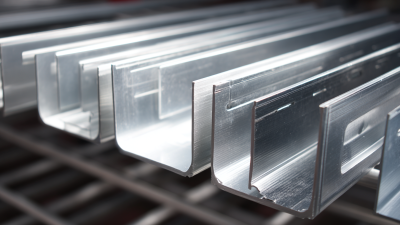
Plastic profiles encompass various types tailored for specific applications. Common types include extruded shapes, rigid sheets, and flexible films. Extruded profiles find use in construction, automotive, and furniture industries. Rigid sheets serve as excellent barriers, while flexible films often protect sensitive items.

Understanding the applications of each type is crucial. For instance, extruded profiles can provide structural support for both indoor and outdoor elements. Rigid sheets are often utilized in signage, offering durability against weather conditions. Flexible films serve in packaging, providing versatility and protection.

Quality is key when sourcing plastic profiles. It's essential to verify the material's properties for your intended use. Conduct tests to ensure strength and flexibility match your requirements. Not every supplier can deliver the same level of durability. Reflection on quality control measures is essential for maintaining standards in your business.

Identifying Reputable Suppliers for Quality Plastic Profiles

Finding reputable suppliers for quality plastic profiles is crucial for your business. Start by researching industry standards and certifications. Check if suppliers adhere to these standards. This ensures their products are reliable and safe.

Tips: Attend industry trade shows to meet suppliers face-to-face. This allows you to gauge their credibility personally. Engaging with potential suppliers can provide insights into their manufacturing processes.

Another approach is to read reviews and testimonials. Look for feedback from other businesses. This can reveal the strengths and weaknesses of a supplier. Be cautious; overly positive reviews may be misleading.

Tips: Ask for references and reach out to them directly. This gives you a clearer picture of the supplier's reliability. Don’t shy away from asking difficult questions about their quality control measures. It's essential for ensuring that your business receives the best products.

Evaluating Material Specifications and Compliance Standards

When sourcing quality plastic profiles, evaluating material specifications is crucial. Know the specific properties that best suit your project. Key attributes might include tensile strength, density, and impact resistance. Understand how these characteristics affect the performance of plastic in different environments.


Compliance standards play a vital role in sourcing. Ensure materials meet industry regulations, such as ASTM or ISO standards. These certifications guarantee quality and safety. However, not all suppliers are transparent about these aspects. This can create challenges in verifying compliance.


Reflection on supplier practices is necessary. Some may claim to meet standards without proper certification. It’s important to ask for documentation. Gathering samples and conducting tests can also provide insights. This proactive approach helps identify reliable sources and mitigates risks.

Cost Considerations and Budgeting for Plastic Profile Sourcing

When sourcing quality plastic profiles, budgeting plays a crucial role. Companies must evaluate several cost factors. The choice of materials significantly influences pricing. For instance, high-grade polymers may cost more upfront but deliver better durability. This can lead to savings over time as they reduce replacement needs. Balancing quality and cost is vital.

Another consideration is supplier reliability. A low-cost supplier may not always meet quality standards. Researching their reputation is essential. Look for suppliers with strong reviews or certifications. Developing a relationship with suppliers can also yield better pricing over time. Effective communication about requirements and expectations can prevent misunderstandings.

It is important to track all expenses related to sourcing. This includes shipping, taxes, and potential tariffs. Hidden costs can add up quickly. Regularly review your budget and sourcing strategy. Adjusting your approach can lead to improved financial health. Always be open to refining your methods for better outcomes. Engaging with industry forums can provide insights into best practices as well.

Ensuring Quality Control: Testing and Verification Processes

Quality control is crucial when sourcing plastic profiles. Testing and verification processes ensure that the materials meet industry standards. Companies often rely on specific metrics to evaluate quality. According to a report by the American Society for Testing and Materials, organizations should conduct tensile strength tests. These tests reveal how much force a plastic profile can withstand before breaking.

Visual inspections are another key aspect. This means checking for surface defects, such as cracks or discoloration. Many manufacturers use advanced imaging technology for these inspections. A study by the Plastics Industry Association noted that nearly 30% of defects can be detected early through these methods. It reduces scrap rates and enhances production efficiency.

However, achieving consistent quality remains a challenge. Variations in raw materials can lead to inconsistencies in profiles. Regular calibration of testing equipment may be neglected. This oversight can result in flawed products reaching the market. In the face of growing demand for sustainable products, ensuring strict verification is more important than ever.

How to Source Quality Plastic Profiles for Your Business? - Ensuring Quality Control: Testing and Verification Processes

Dimension Material Type Testing Method Verification Status Supplier Rating
1000mm x 40mm PVC Tensile Strength Test Passed 4.5/5
1200mm x 50mm Polypropylene Impact Resistance Test Passed 4.0/5
800mm x 30mm HDPE UV Resistance Test Failed 3.5/5
1500mm x 60mm ABS Chemical Resistance Test Passed 4.7/5
600mm x 25mm PVC Flexural Strength Test Passed 4.2/5