No Job is Too Big or Too Small!

Top 5 Tips for Successful PVC Injection Molding Techniques?

PVC injection molding is a pivotal process in the manufacturing industry. This method is essential for creating products ranging from automotive parts to household items. According to a recent report by Markets and Markets, the PVC injection molding market is projected to reach $60 billion by 2025. This rapid growth reflects the increasing demand for durable and cost-effective materials.

Experts like John Miller, a leading authority in the field, emphasize the importance of mastering these techniques. He once stated, "Successful PVC injection molding requires attention to detail and a deep understanding of material properties." His insights highlight the critical factors that influence the quality and efficiency of the molding process.

However, achieving success in PVC injection molding is not always straightforward. Common challenges include inconsistent temperatures, improper material flow, and equipment maintenance issues. These obstacles require careful planning and continuous improvement. Companies must invest in training and technology to enhance their capabilities in this competitive market. Hence, understanding the nuances of PVC injection molding is essential for manufacturing excellence.
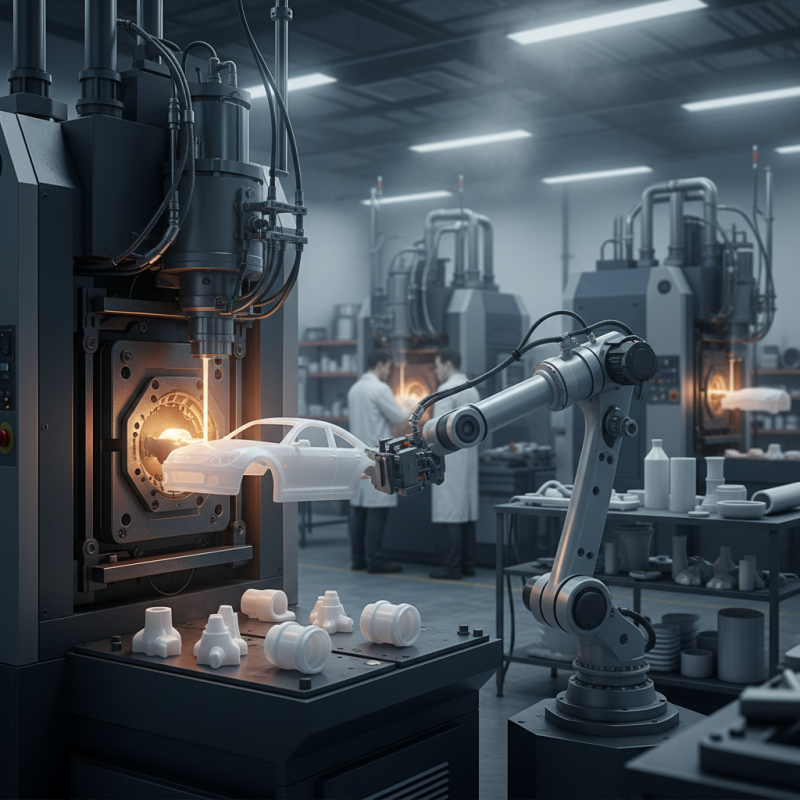
Top 5 Tips for Successful PVC Injection Molding Techniques?

Understanding the Basics of PVC Injection Molding Techniques

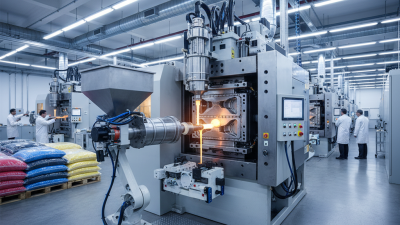
PVC injection molding is a crucial technique in manufacturing various plastic products. This process involves heating PVC pellets until they melt, then injecting the molten material into molds. The key lies in understanding the properties of PVC, which is known for its durability and versatility.

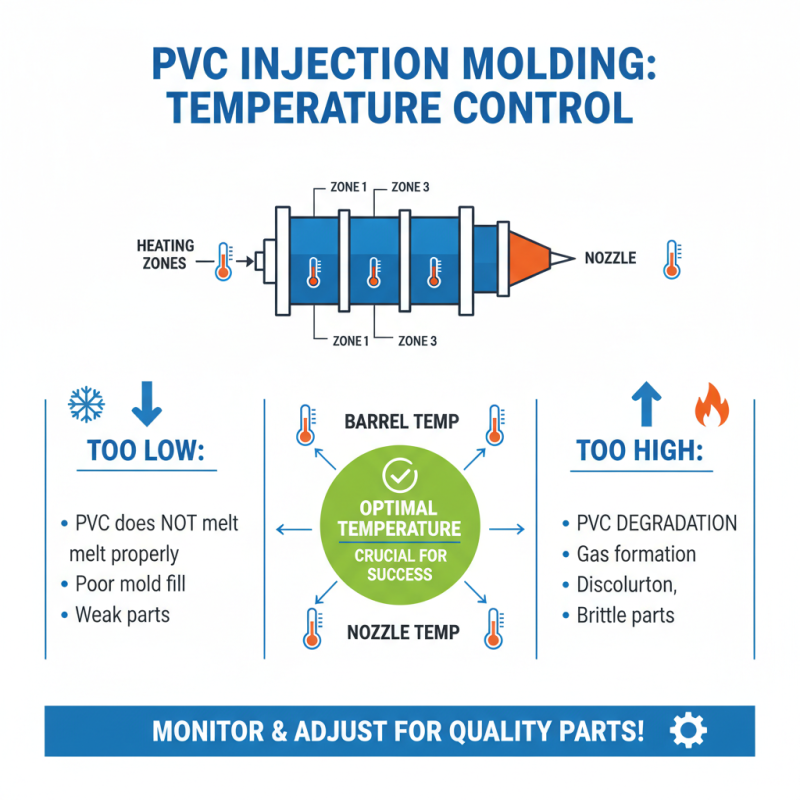
Temperature control is vital. If the material overheats, it can degrade, affecting the final product's quality. Achieving the right balance is challenging. Too low a temperature can cause the PVC to not flow properly. Keeping an eye on these details is essential for success.

Another critical aspect is mold design. A well-designed mold can streamline production. It minimizes waste and enhances precision. However, achieving perfection is not always possible. Molds may wear down over time, resulting in defects. Regular maintenance and slight adjustments can improve outcomes significantly. Understanding these basics will lay the foundation for successful PVC injection molding.

Top 5 Tips for Successful PVC Injection Molding Techniques

Tip Description Benefits
1. Optimize Temperature Settings Adjusting the temperature of the melting zone and mold can improve flow and reduce defects. Improved quality, reduced cycle time.
2. Choose the Right Material Grade Selecting an appropriate PVC grade to match the application and processing conditions is crucial. Enhanced compatibility and performance.
3. Correct Injection Speed Adjusting the injection speed to allow for optimal filling and minimize shear stress. Fewer defects, enhanced surface finish.
4. Use Proper Cooling Techniques Implementing efficient cooling channels in the mold to ensure even cooling. Reduced warping and shorter cycle times.
5. Regular Maintenance of Equipment Routine checks and maintenance of injection molding machinery to prevent breakdowns. Increased reliability and reduced downtime.

Selecting the Right PVC Material for Optimal Injection Molding

When selecting the right PVC material for injection molding, the characteristics of the resin are crucial. PVC, or polyvinyl chloride, offers a blend of durability and flexibility. A report from the Plastics Industry Association notes that PVC can be processed at lower temperatures than many other plastics. This can reduce energy consumption during production, making it a more efficient choice.

Different grades of PVC provide unique benefits. Clear PVC is ideal for transparent applications. Rigid PVC is favored for construction materials. However, users should be cautious about their specific needs. Not all PVC can withstand certain chemicals or extreme temperatures. A study from Grand View Research shows that improper material selection is a common pitfall in molding practices.

Unexpected challenges often arise in the injection molding process. For example, materials with higher viscosity can lead to poor flow characteristics. This might affect the final product's detail and finish. Each project's requirements are unique, and this inconsistency poses a risk for manufacturers. A focused approach to material selection, emphasizing both performance and application, can lead to more successful molding outcomes.

Ensuring Proper Machine Settings for PVC Injection Success

Top 5 Tips for Successful PVC Injection Molding Techniques?

Proper machine settings are crucial for successful PVC injection molding. The temperature must be carefully controlled. If it is too low, the PVC won’t melt properly. If it is too high, degradation occurs. Monitor the temperature at both the barrel and nozzle. Both play a pivotal role. Make sure the heating zones are accurately set.

Another key factor is the injection speed. A slow injection can lead to incomplete fills. Conversely, if it is too fast, you may face flow marks or excessive flash. Adjusting the injection speed requires testing. It often involves trial and error. Don’t hesitate to fine-tune these settings during production runs.

Lastly, the hold pressure should not be overlooked. Incorrect hold pressure can result in defects. It might cause warping or sink marks on the finished part. Experiment with different hold pressures to find the optimal setting. This is a common area where mistakes happen. Reflection on past experiences can help improve future outcomes.

Designing Effective Molds for Improved PVC Product Quality

Top 5 Tips for Successful PVC Injection Molding Techniques?

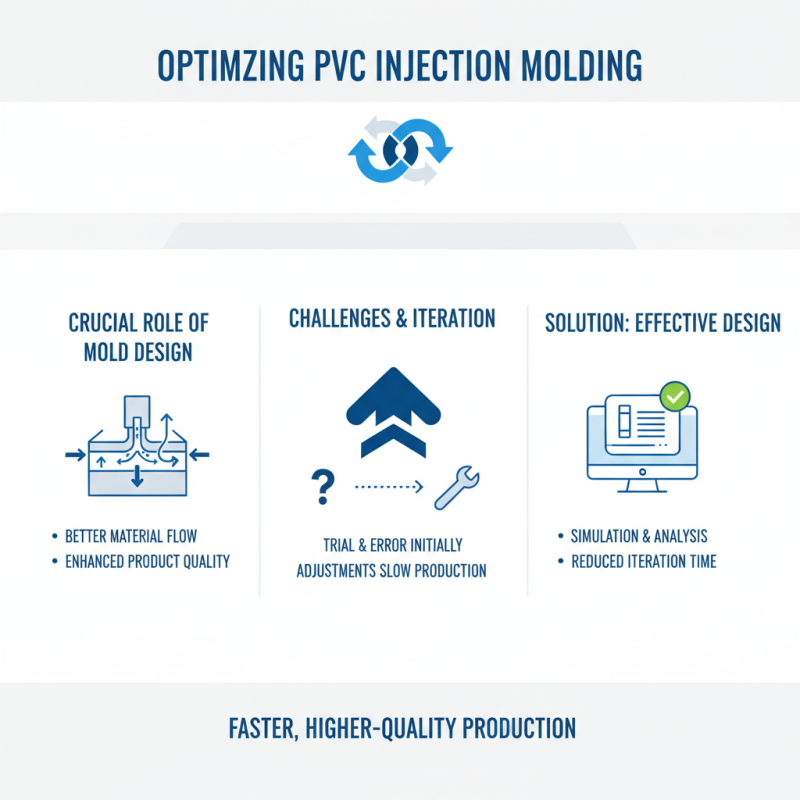
Designing effective molds is crucial in PVC injection molding. A well-designed mold ensures better flow of material. This can significantly improve the final product's quality. However, mold design often involves trial and error. Sometimes, the initial designs don’t perform as expected. Adjustments may be required, which can slow down production.

Material selection is also vital. Different types of PVC have unique properties. Understanding these properties helps in creating a mold that works best. Some molds may need cooling channels that aren’t easy to design. If these channels aren't efficient, the product may warp. Designers must pay close attention to how heat affects the cooling process.

Furthermore, surface finish on molds is often overlooked. A smoother finish can lead to better aesthetic quality. But, achieving this smoothness requires additional steps. It’s easy to cut corners, leading to long-term issues. These challenges highlight the need for continuous improvement in mold design techniques. Each design should be a learning opportunity, even after achieving success.

Troubleshooting Common Issues in PVC Injection Molding Processes

PVC injection molding can be a tricky process. Common issues can arise, affecting the final product. One major problem is improper cooling. If the mold cools too slowly, warping occurs. Conversely, rapid cooling can lead to stress fractures. It’s important to monitor cooling times carefully to achieve the desired results.

Another frequent challenge is poor adhesion between mold layers. This often stems from inadequate mixing or improper material temperatures. Ensuring a consistent feed temperature is crucial. Also, watch out for material degradation. PVC can break down if exposed to excessive heat. Regular maintenance of the injection molding machine helps prevent these issues.

Occasionally, you might encounter surface defects, such as voids or grooves. These flaws can impact the product's aesthetics and functionality. Adjusting injection speeds may mitigate this problem. However, achieving the right balance takes practice and experimentation. Embrace the learning curve. Each issue presents a valuable opportunity for improvement in your injection molding journey.

Top 5 Tips for Successful PVC Injection Molding Techniques

This bar chart illustrates the effectiveness of various PVC injection molding techniques based on common issues encountered in the process.