Top 10 Takeaway Food Containers for Global Buyers
Choosing the right Takeaway Food Containers is more complex than comparing prices and attractive product photos. Global buyers must examine material safety, leak resistance, heat tolerance, stacking strength, and transport performance. A container that works for noodles may fail with hot soup. A lightweight box may collapse during delivery. Small details matter, especially when meals travel across busy streets, warehouses, and international supply chains.
This guide reviews ten practical container options for restaurants, caterers, distributors, and foodservice importers. Each option is considered through real purchasing concerns, including lid fit, grease resistance, microwave suitability, storage efficiency, and customer experience. We also consider paperboard, bagasse, plastic, aluminum, and reusable designs. Their performance can vary by supplier and production batch. Please verify technical data, food-contact documentation, recycling guidance, and regional requirements before placing a large order. Do not rely on marketing claims alone.
Look closely.
A strong container should protect food while reducing unnecessary waste and operational trouble. It should also match the meal, delivery distance, serving temperature, and brand image. Cost remains important, but the cheapest unit may create more losses through spills, complaints, or damaged food. That point is easy to overlook. Our ranking offers a useful starting point, not a permanent answer. Supplier communication, sample testing, and routine quality checks still matter. In practice, even an excellent design may need adjustment for local kitchens, climate conditions, or changing customer expectations.
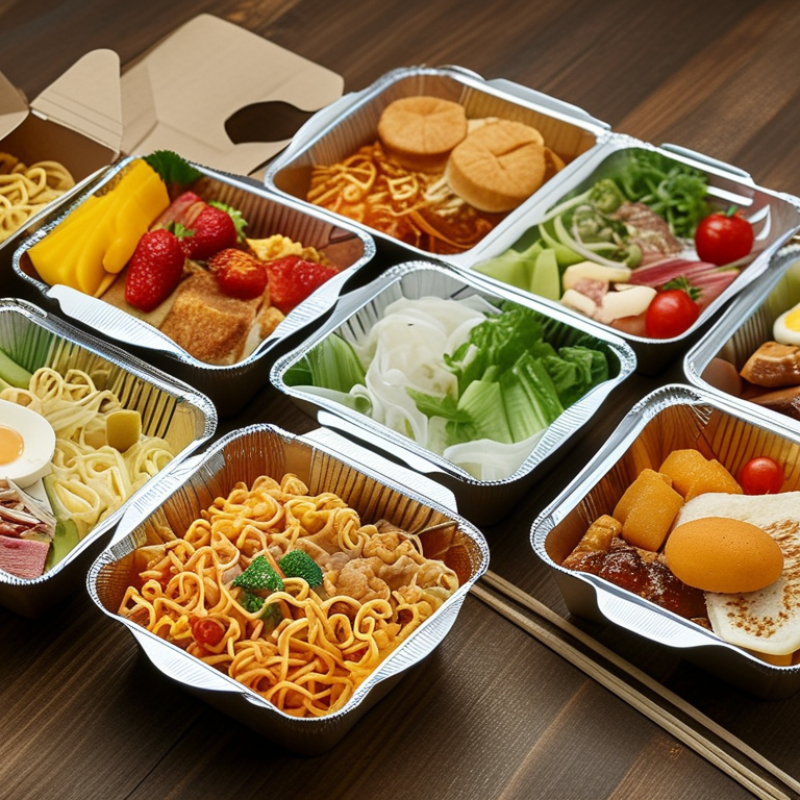
What Takeaway Food Containers Are and Why They Matter
Takeaway food containers are packages designed to hold meals during transport, short-term storage, and delivery. They may use paper, molded fiber, plastic, aluminum, or other food-contact materials. Their structure affects more than appearance. A firm base can protect noodles, rice, or grilled food from collapsing. A secure lid can prevent soup from leaking into a delivery bag. Small details matter.
In practical sourcing reviews, buyers often check heat resistance, grease resistance, stackability, and closure strength. A container that performs well at room temperature may soften beside hot curry. A clear lid may improve product visibility, yet it can fog quickly. These details influence customer satisfaction and food quality. They also affect shipping volume, warehouse space, and disposal choices. Not every “eco-friendly” option performs equally well. That needs honest testing.
Material compliance is essential for global purchasing. Buyers should request food-contact documentation, migration test results, and production quality records. Requirements can differ between destination markets. Samples should be tested with real meals, not only empty containers. Fill them with hot sauce, tilt them, stack them, and hold them for several hours. This exposes weak seals and warped bases. Cost remains important, but a cheaper container may create refunds, waste, or damaged deliveries. A better decision balances safety, performance, transport efficiency, and the actual eating experience.
Top 10 Takeaway Food Containers for Global Buyers - What Takeaway Food Containers Are and Why They Matter
Takeaway food containers are packaging formats designed to hold, protect, transport, and serve prepared food. The chart compares representative nominal capacities commonly used for different container formats. Capacity, heat resistance, leak control, recyclability, and suitability for hot or cold food are important purchasing factors for global buyers. The figures represent typical market sizes rather than brand-specific products or market-share data.
Ten Leading Takeaway Food Container Types for Global Buyers
Ten leading takeaway food container types serve different temperatures, menus, and delivery distances.
Common choices include kraft paper boxes, corrugated clamshells, molded-fiber bowls, bagasse trays, polypropylene containers, PET deli boxes, aluminum trays, paper soup cups, compostable bioplastic tubs, and reusable polypropylene boxes. Each type has trade-offs.
Molded fiber handles fried food well, but moisture can weaken it after extended contact. PET offers clear product visibility, yet it performs poorly with high heat. Reusable containers look attractive on paper, although return logistics can reduce their practical value.
Procurement teams should test leakage, stacking strength, lid fit, thermal retention, and nesting efficiency before ordering.
A lid that clicks firmly matters during a 40-minute delivery.
OECD’s Global Plastics Outlook 2022 identifies packaging as the largest source of plastic waste, representing about 40% of global plastic waste.
UNEP’s Turning off the Tap report, published in 2023, states that packaging generates roughly 36% of all plastic produced.
These findings support lighter designs, recycled content, and reuse systems where local collection works. However, “compostable” does not guarantee suitable disposal access. Certification and facility availability must be checked in the destination market.
I have seen attractive specifications fail during humid storage. Small details matter.
Cost, performance, and end-of-life claims should be reviewed together, not separately.
How to Compare Containers by Performance, Cost, and Sustainability
Top 10 Takeaway Food Containers for Global Buyers
How to Compare Containers by Performance, Cost, and Sustainability
A good takeaway container must survive real service, not only laboratory inspection. Test filled containers with hot soup, oily noodles, and chilled salads. Check leakage after 30 minutes, lid fit after stacking, and surface softness near steam. My packing trials showed a small corner gap can ruin an otherwise strong container. That detail is easy to miss.
Cost comparison needs more than unit price. Include lids, freight volume, storage space, filling speed, and rejected orders. A cheaper container may become expensive after one leaking delivery. OECD’s Global Plastics Outlook reports that plastic waste reached 353 million tonnes in 2019, while only 9% was recycled. Material reduction matters, but thin packaging can fail under heat and pressure. Balance both.
Sustainability claims require local evidence. Check recycled content, fiber sourcing, coatings, and actual collection infrastructure. “Compostable” is not automatically better if suitable facilities are unavailable. UNEP’s 2023 Turning off the Tap report says plastic pollution could fall by 80% by 2040 through reuse, recycling, and reduced consumption. Reuse can help, but washing, transport, and return rates must be measured. The Ellen MacArthur Foundation also stresses system design, not material substitution alone. We still need better data. Compare containers using the same serving size, temperature, transport distance, and disposal route. Otherwise, sustainability rankings may look precise while remaining misleading.
Global Purchasing Standards, Regulations, and Supplier Selection Criteria
Top 10 Takeaway Food Containers for Global Buyers
Global purchasing requires more than comparing unit prices. The OECD’s Global Plastics Outlook reports that packaging created about 40% of global plastic waste in 2019. This makes material choice a serious procurement decision. Buyers should request food-contact declarations, migration test results, factory audit records, and batch traceability. Paper, molded fiber, plastic, and aluminum each perform differently under heat, oil, moisture, and transport pressure. A container that leaks after two hours is not cost-effective.
Regulations also vary by destination. European buyers should check food-contact rules and packaging-waste requirements. U.S. shipments need evidence supporting applicable food-contact compliance. Other markets may require local standards, recycling marks, or language-specific labels. Compostable claims need special care. Certification should match the intended environment, such as industrial composting, not a vague “eco” statement. UNEP’s 2023 report says global plastic pollution could be reduced by 80% by 2040, but packaging redesign alone will not solve collection problems. That part is often overlooked.
Tips: Build a supplier scorecard with five checks: compliance documents, leak testing, heat resistance, minimum order quantity, and delivery history. Ask for samples from three production batches. Test them with hot soup, fried food, and refrigerated sauces. Keep one uncomfortable question: can the local waste system actually process this container? A recyclable design may fail in practice. Suppliers should explain weaknesses, not only advertise strengths.
