No Job is Too Big or Too Small!

Top 10 Plastic Molding Techniques for Global Buyers?

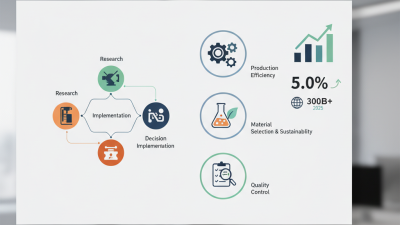
Plastic molding is a critical process in manufacturing, impacting industries globally. In 2022, the market size for plastic molding reached $300 billion, reflecting its significance. Experts predict a steady growth rate of 5% annually through 2030.

John Smith, a leading figure in the plastic molding industry, states, “Innovation in molding techniques can redefine product development.” His insights highlight the need for advancements to meet diverse market demands. Global buyers require efficiency, precision, and sustainability from plastic molding techniques.

Despite its advantages, plastic molding faces challenges. There is pressure to reduce waste and develop biodegradable materials. Companies must adapt to these trends to remain competitive. Exploring the top ten plastic molding techniques allows buyers to navigate these complexities more effectively.

Top 10 Plastic Molding Techniques for Global Buyers?

Overview of Plastic Molding Techniques in Global Manufacturing

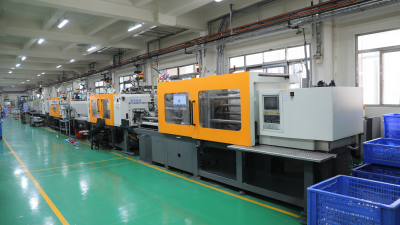
Plastic molding techniques play a vital role in global manufacturing. They are essential for producing a wide range of products, from consumer goods to industrial components. Injection molding is one of the most common methods. It allows for high precision and fast production rates. This process involves injecting molten plastic into a mold, which cools and solidifies into the desired shape.

Another technique is blow molding, used primarily for creating hollow plastic items. This method involves blowing air into a soft plastic tube to form shapes like bottles. It's efficient for creating large volumes of lightweight containers.

Understanding these techniques is crucial for buyers. The choice of technique impacts cost, quality, and production speed. Buyers should ensure their selected method aligns with their product specifications.

Reflecting on your options is key. Consider the advantages and disadvantages of each technique. Collaborate with experienced manufacturers. They can provide insights into which method suits your needs best.

Stay informed about recent advances in plastic molding. New materials and technologies are continually emerging. Adapting to these changes can enhance your production processes. Balancing tradition with innovation can lead to better outcomes. Explore different techniques and evaluate their relevance for your projects.

Top 10 Plastic Molding Techniques

Injection Molding: The Most Popular Technique for Precision Parts

Injection molding stands out as the leading plastic molding technique for creating precision parts. This method allows manufacturers to produce complex shapes with high accuracy. The process starts with heated plastic injected into a mold. The mold cools, solidifying the plastic into the desired shape.

One major advantage of injection molding is its efficiency. It is capable of producing large quantities quickly. This makes it ideal for mass production. However, the initial cost of designing molds can be high. Companies must evaluate the trade-off between initial investment and long-term benefits. Another aspect to consider is material compatibility. Not all plastics work well for every design, and choosing the right material is crucial.

Despite its strengths, injection molding is not without challenges. Variability in temperatures can affect part quality. Additionally, there can be issues with mold wear over time. Regular maintenance is essential to ensure consistent production. This technique may not be the best option for low-volume projects. Companies should weigh these factors carefully before committing to injection molding.

Blow Molding: Creating Hollow Plastic Structures Efficiently

Blow molding is a highly efficient method for producing hollow plastic structures. This technique is particularly popular in manufacturing containers, bottles, and various shapes. The process begins with melting plastic to form a parison, a tube-like piece. Air is then blown into the parison, expanding it against the mold. This creates a seamless, hollow product with a variety of applications.

One of the main advantages of blow molding is speed. It allows for the rapid production of uniform items. However, achieving consistent quality can be challenging. Factors like temperature, air pressure, and material type significantly affect the final product. Even experienced manufacturers face issues like uneven wall thickness or surface imperfections. Continuous refinement and quality control are crucial.

Moreover, blow molding supports various materials, providing flexibility in production. Different plastics can yield distinct properties. Despite this flexibility, the complexity of sourcing materials can introduce variability. Choosing the right type of plastic is essential for meeting specific requirements. Companies must balance cost and performance, which can lead to difficult decisions.

Rotational Molding: Ideal for Large, Complex Shapes and Designs

Rotational molding is a unique plastic molding technique. It excels in creating large, complex shapes. This method is often used for producing hollow items like tanks and containers. The process involves heating a polymer in a mold. As the mold rotates, the material coats the mold’s interior. This technique produces consistent wall thickness. It’s especially useful for intricate designs that would be difficult with other methods.

When considering rotational molding, think about the material selection. Different polymers provide various properties, such as flexibility and UV resistance. Understanding the specific requirements of your project will guide you in choosing the right material. The initial investment might be high, but the benefits often outweigh the costs. Custom molds can be expensive, which may lead to budget constraints.

Think about the importance of mold design. A well-designed mold can enhance production efficiency. It can also minimize waste and defects. Engage with experts during the design phase to refine your ideas. Over time, monitor your production process for potential improvements. Approach challenges as learning opportunities. Incremental adjustments can lead to significant outcomes.

Top 10 Plastic Molding Techniques for Global Buyers

Molding Technique Materials Used Applications Advantages Disadvantages
Rotational Molding Polyethylene, Polypropylene Large tanks, playground equipment Good for large, complex shapes Long cycle times
Injection Molding Nylon, ABS, Polycarbonate Consumer goods, automotive parts High precision and low cost for high volume Limited to simpler shapes
Blow Molding Polyethylene, PVC Bottles, containers Rapid production of hollow items Thickness may vary
Thermoforming PVC, ABS Packaging, trays Cost-effective for low-volume production Limited to thinner materials
Compression Molding Rubber, silicone Automotive parts, gaskets Low setup costs Longer cycle times
3D Printing PLA, ABS Prototypes, custom parts Flexibility in design changes Slower production speed
Reaction Injection Molding (RIM) Polyurethane Large auto parts, furniture Ability to mold large components Requires specialized equipment
Vacuum Forming Acrylic, polystyrene Displays, prototypes Quick prototyping Limited to simple shapes
Gas Assist Molding Polypropylene Large, hollow parts Reduces material usage Complexity in process
Double Injection Molding Various thermoplastics Consumer products, parts with two materials Creates complex multi-material parts Higher production costs

Compression Molding: Versatile Method for Various Plastic Applications

Compression molding is an incredibly versatile method used in various plastic applications. It accounts for a significant share of the global plastic manufacturing market. According to the latest industry report by MarketsandMarkets, this technique is projected to grow by 6.7% from 2021 to 2026. It supports multiple materials, including thermoplastics and thermosets, making it suitable for a wide range of products.

This process allows manufacturers to create intricate shapes and sizes with minimal waste. The technique involves heating plastic, placing it into a mold, and applying pressure to form the shape. The initial setup may require significant investment, which can be a barrier for smaller companies. However, the long-term benefits often outweigh these upfront costs due to reduced material waste and faster production times.

It’s crucial for buyers to understand the specific needs of their projects. Each application may require different mold designs and materials. Engaging a knowledgeable supplier can help navigate these complexities. Test runs are also advisable; they can reveal potential design flaws early in the production process. Iteration in the early stages can lead to stronger outcomes and better product quality, ensuring greater customer satisfaction.