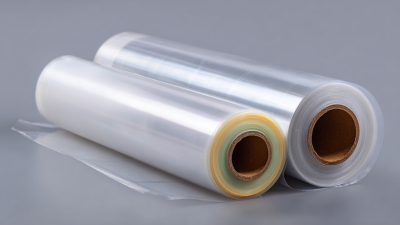
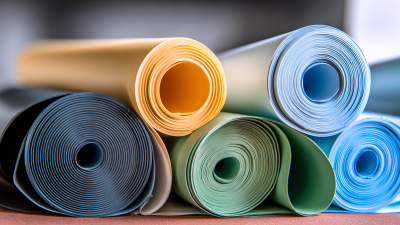
The PVC film industry in China is booming. As global buyers seek reliable suppliers, understanding the market is crucial. According to industry expert Dr. Xiaomeng Li, "The quality of PVC film can significantly impact final products." This highlights the importance of choosing the right supplier.
China is home to many leading PVC film manufacturers. These companies offer a range of products to meet diverse needs. However, not all suppliers guarantee consistent quality. Buyers must conduct thorough research. Exploring the top suppliers can lead to better sourcing decisions.
While some suppliers excel, others may fall short. Issues like inconsistent quality and poor service can arise. Navigating this landscape requires vigilance. Building relationships with reputable suppliers is essential for success in the PVC film market.
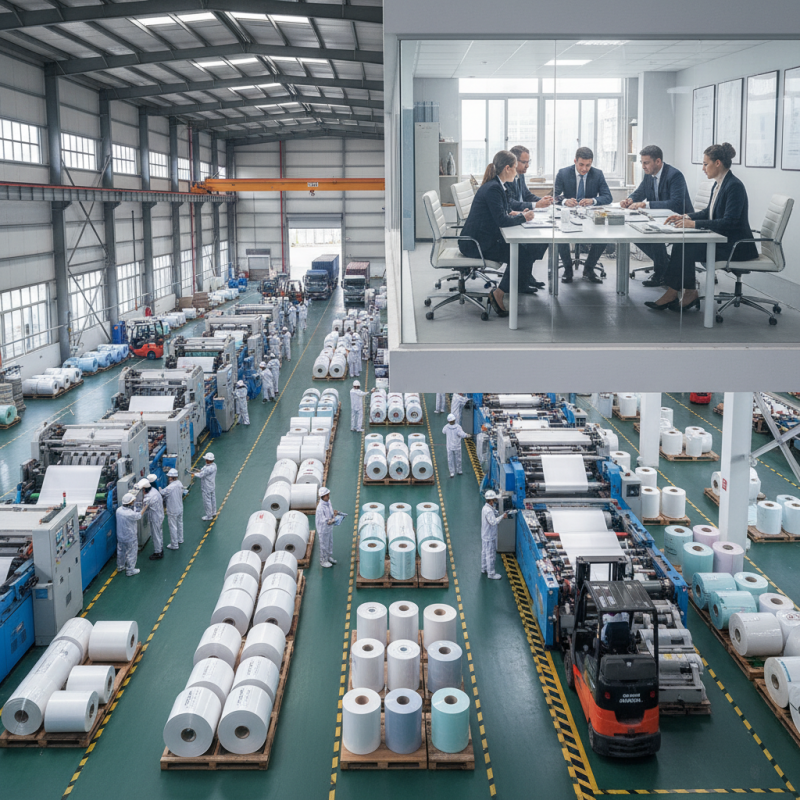
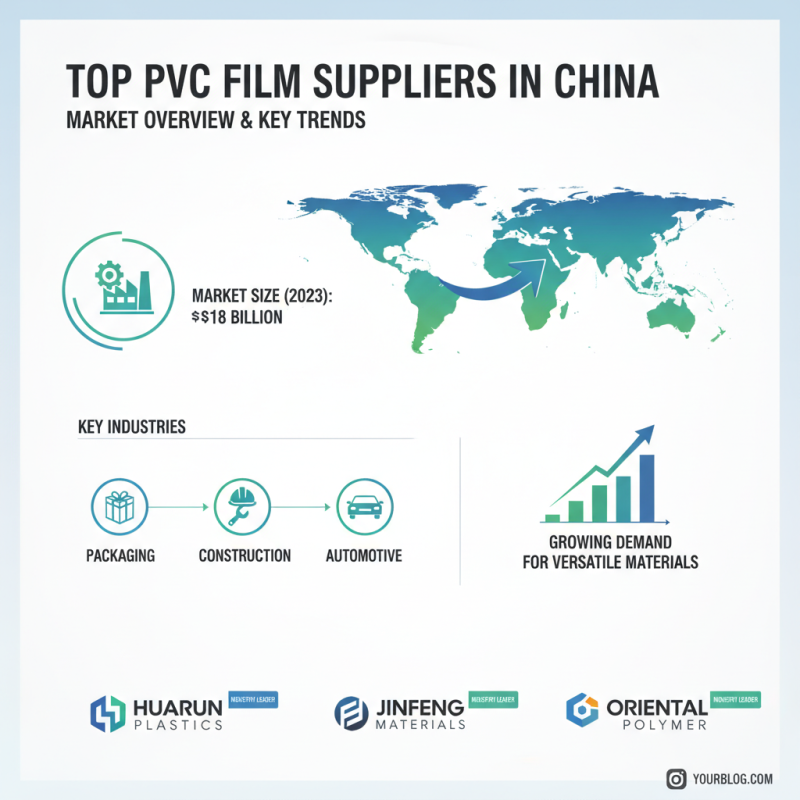
The PVC film market in China is significant. It supports industries like packaging, construction, and automotive. As of 2023, the market size for PVC film is projected to reach approximately $18 billion. This figure reflects the growing demand for versatile materials in various sectors.
Notably, Chinese suppliers dominate the global PVC film supply chain. Many are engaged in innovative manufacturing techniques. According to industry reports, around 60% of global PVC film production occurs in China. This activity results in cost-effective solutions for international buyers. Yet, quality remains a concern for many. Some suppliers struggle with consistency and reliability in their products, which can impact buyer trust.
Moreover, environmental regulations are evolving. Many producers are under pressure to adopt sustainable practices. Reportedly, a considerable number of suppliers are transitioning to eco-friendly materials. However, challenges in sourcing sustainable raw materials remain. Quality assurance and supply chain transparency are still works in progress for many companies.
High-quality PVC films are essential for diverse applications in global markets. Durable materials are vital for packaging, construction, and medical devices. Buyers should focus on specific characteristics when evaluating suppliers. These include thickness, tensile strength, and surface finish. Films should also exhibit UV stability and resistance to wear.
Another critical aspect is transparency. Clear films enhance product visibility and appeal. High-quality PVC should demonstrate consistent thickness across surfaces. Buyers must check for certifications indicating compliance with international standards. These certifications ensure safety and reliability, providing peace of mind.
Sustainable practices are gaining importance. Suppliers are exploring eco-friendly materials and production methods. However, transparency in sourcing remains a challenge. It’s crucial for buyers to inquire about the sustainability credentials of their suppliers. This adds an extra layer of complexity to the sourcing process. Quality control measures should be in place, as inconsistencies can lead to significant losses in production.
| Rank | Supplier Type | Production Capacity (tons/year) | Quality Certifications | Export Markets | Special Features |
|---|---|---|---|---|---|
| 1 | Manufacturer | 10000 | ISO 9001, SGS | USA, Europe, Asia | Eco-friendly materials |
| 2 | Trader | 5000 | ISO 14001 | Africa, Middle East | Custom sizes available |
| 3 | Distributor | 7500 | CE, RoHS | South America, Australia | UV resistant |
| 4 | Manufacturer | 12000 | ISO 9001 | Europe, Asia | Multilayer films |
| 5 | Trader | 3000 | SGS | North America, Asia | Scratch-resistant |
| 6 | Distributor | 6000 | ISO 14001 | Europe | Low-temperature resistant |
| 7 | Manufacturer | 9500 | CE, RoHS | South America | Food-safe materials |
| 8 | Trader | 4200 | ISO 9001 | Asia, Europe | High transparency |
| 9 | Distributor | 3700 | SGS | North America | Anti-static |
| 10 | Manufacturer | 8000 | ISO 9001, CE | Europe, Asia | Custom printing options |
When it comes to finding PVC film suppliers in China, assessing their production capacities is crucial. Many suppliers boast impressive facilities. However, not all can meet the demands of global markets. Buyers should consider factors like output volume and technology used. Advanced machinery often translates to better quality and consistency.
The scale of production can vary significantly among suppliers. Some operate large factories capable of producing vast quantities. Others may have niche capabilities, focusing on specific types of films. This diversity can be beneficial, as it meets various buyer needs. Yet, it also raises questions about reliability and scalability. Inconsistent quality can lead to production delays.
Potential buyers should conduct thorough evaluations. Visiting facilities provides insights into operational efficiency. Understanding supply chain logistics can also clarify expected delivery timelines. It’s wise to ask about quality control processes. Suppliers might promise high output but fail to deliver consistent results. Engaging in dialogues with potential partners can further uncover their strengths and weaknesses, ensuring informed decisions.
The PVC film industry is evolving rapidly. Innovations in manufacturing processes have led to enhanced durability and flexibility of films. These advancements cater to diverse applications in packaging, construction, and electronics. Global buyers are increasingly attracted to superior quality and sustainable options.
Market trends show a strong shift towards eco-friendly materials. Companies are exploring bio-based PVC alternatives to address environmental concerns. This gradual transition invites a need for thorough research and evaluation. Not every supplier is ready to meet these demands. Some may lack the necessary infrastructure to produce sustainable films efficiently.
Price volatility is another challenge in the PVC market. Fluctuations in raw material costs can impact final prices for buyers. A reliable supplier should maintain transparency about pricing structures. This can help buyers make informed decisions. However, the ongoing push for innovation suggests that the industry is resilient and adaptable. Balancing quality, sustainability, and cost remains a critical focus for suppliers and buyers alike.
The global demand for PVC films has surged, and Chinese suppliers are at the forefront of this supply chain evolution. These suppliers leverage advanced manufacturing techniques and abundant resources. This allows them to produce high-quality films that meet international standards. Innovations in production processes have enabled them to reduce waste and enhance efficiency.
Chinese suppliers face challenges in maintaining consistent quality and meeting rapid market shifts. With fluctuating materials costs, price stability is crucial. Buyers often navigate uncertainty in delivery times. Nonetheless, many suppliers are adapting. They invest in technology to improve communication and streamline logistics. This agility helps them respond quickly to global demands.
The pandemic highlighted vulnerabilities in supply chains. Many suppliers have re-evaluated their strategies. They are now focusing on building stronger relationships with partners. This approach fosters transparency and trust. Continuous improvement in quality control processes is also essential. Future growth will depend on addressing these complexities while meeting buyer expectations for timely and reliable service.