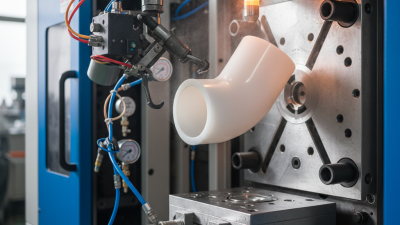
Polypropylene plastic is one of the most versatile materials today. It is lightweight yet strong, making it a favorite in many industries. This plastic can be molded into various shapes and forms, which opens up a world of possibilities.
From packaging to automotive parts, the uses are vast. Polypropylene plastic is not just functional; it can also be colorful and aesthetically pleasing. You may find it in everyday items such as containers and textiles. Often, its practicality leads to overuse, raising sustainability questions.
However, while polypropylene plastic offers many advantages, it also has drawbacks that warrant reflection. The environmental impact of disposal remains a significant concern. Better practices need to be adopted to reduce waste. Understanding these aspects is essential in fully appreciating this remarkable material.
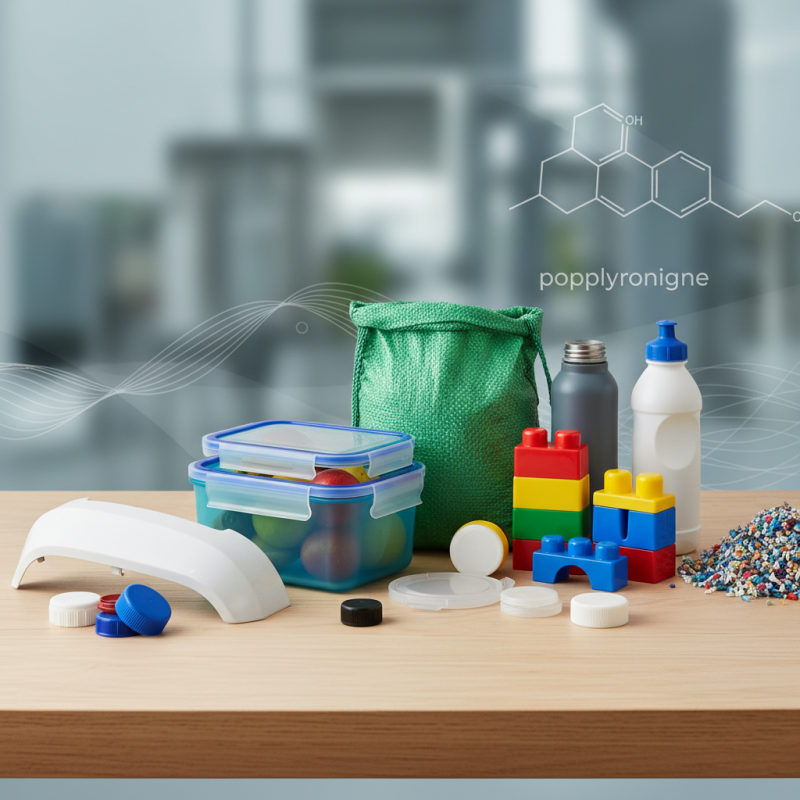
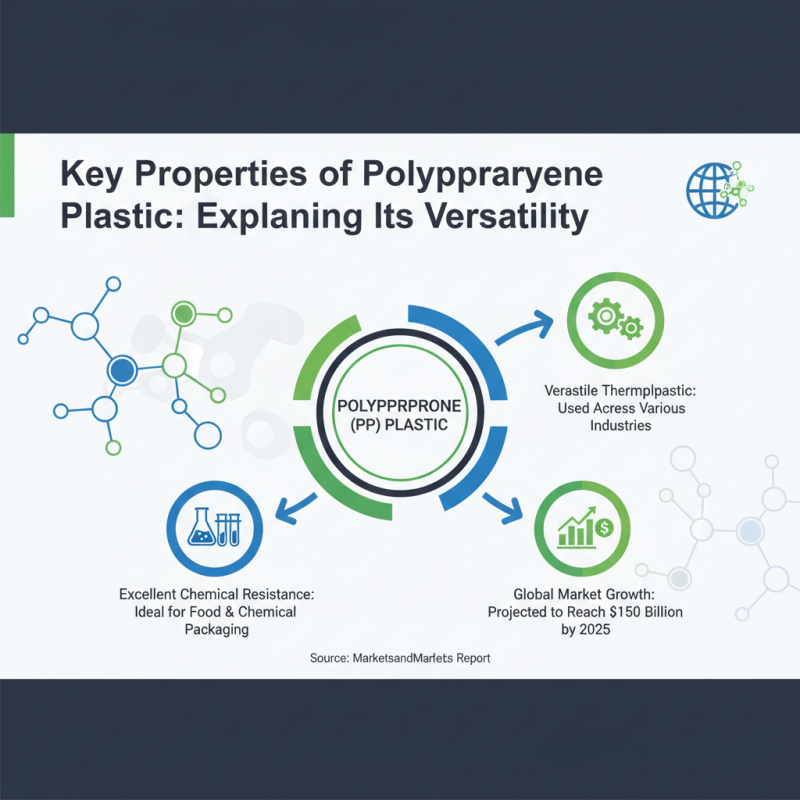
Polypropylene (PP) is a versatile thermoplastic widely used across various industries. Its properties contribute significantly to its popularity. It boasts excellent chemical resistance, making it suitable for packaging food and chemicals. According to a report by MarketsandMarkets, the global polypropylene market is projected to reach USD 150 billion by 2025. This indicates not only demand but also trust in its capabilities.
Another key attribute of polypropylene is its lightweight nature. This feature aids in reducing transportation costs and improving fuel efficiency. Additionally, polypropylene can be molded into complex shapes, pushing the boundaries of design. It performs well in temperatures ranging from -20°C to +100°C, providing a broad operational range. However, it's worth noting that while polypropylene is resistant to moisture, it's not biodegradable. This poses a challenge for sustainability.
Moreover, its recycling potential is often debated. While PP can be recycled, the percentage actually recycled globally remains low. A study suggests only about 1% of PP is reused. This raises questions about environmental impact and waste management. The plastic's durability is both an advantage and a challenge, prompting a need for innovative recycling solutions.
Polypropylene plastic is widely recognized for its versatility, particularly in packaging and containers. Its inherent characteristics make it an ideal choice for various applications. According to a report by MarketsandMarkets, the global polypropylene market is expected to reach over $100 billion by 2025. This growth highlights the significant role polypropylene plays in the packaging industry.
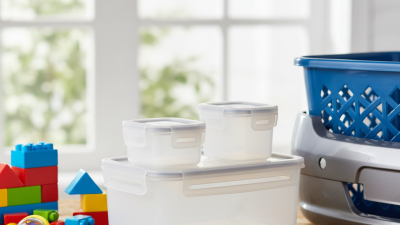
In food and beverage packaging, polypropylene is favored due to its lightweight and durability. It is resistant to moisture, making it suitable for packaging items like yogurt and bottled drinks. Interestingly, polypropylene accounts for approximately 20% of the total plastic packaging market. This statistic reflects the material's importance. However, concerns about environmental impact linger. Many polypropylene products are not biodegradable, leading to long-term waste issues.
Moreover, the use of polypropylene in non-food containers is notable. From storage bins to medical supplies, its strength and chemical resistance make it invaluable. The European Union estimates that around 50% of packaging waste comes from plastics. It raises questions about sustainable practices within the industry. While polypropylene offers many benefits, the challenge lies in developing effective recycling methods to reduce its ecological footprint.
| Use Case | Description | Advantages | Common Applications |
|---|---|---|---|
| Packaging | Used for creating flexible and rigid packaging options. | Lightweight, cost-effective, and recyclable. | Food containers, wraps, and bags. |
| Automotive Components | Used in various interior and exterior parts of vehicles. | Durable, impact-resistant, and lightweight. | Bumpers, dashboards, and trims. |
| Textiles | Used to manufacture fabrics for clothing and upholstery. | Water-resistant and easy to clean. | Carpets, curtains, and clothing. |
| Containers | Used for making lightweight, durable storage solutions. | Resistant to moisture and chemicals. | Storage bins, crates, and tubs. |
| Medical Supplies | Utilized in various medical products and devices. | Biocompatible and easy to sterilize. | Syringes, containers, and surgical instruments. |
| Household Items | Created for a variety of general use products. | Durable and resistant to fading. | Bottles, containers, and storage solutions. |
| Construction | Used in various building materials. | Weather-resistant and strong. | Pipes, insulation, and membrane systems. |
| Electrical Applications | Used in insulation and casings for electrical products. | High dielectric strength and chemical resistance. | Cable insulation and connectors. |
| 3D Printing | Used as a material for additive manufacturing. | Lightweight and easily manipulated. | Prototyping and custom parts. |
| Agricultural Films | Used for mulch and greenhouse coverings. | Protect plants and retain moisture. | Mulch films, greenhouse covers. |
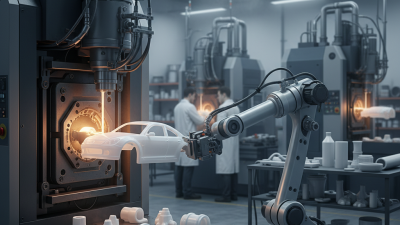
Polypropylene is making waves in the automotive industry. Its lightweight nature is a key advantage. In fact, parts made from polypropylene can reduce vehicle weight by up to 10%. This reduction can significantly improve fuel efficiency. A report from the American Council for an Energy-Efficient Economy highlights that lighter vehicles consume less fuel.
Moreover, polypropylene's resistance to chemicals and fatigue enhances its appeal in automotive applications. Many manufacturers are choosing it for interior components and exterior parts. Its durability leads to fewer replacements, which can save costs long-term. However, not all polypropylene types perform equally. Some formulations lack the necessary strength for high-stress areas.
Recycling remains a concern. While polypropylene is recyclable, the infrastructure is limited. Studies indicate that only a fraction of polypropylene is actually recycled. This presents an ongoing challenge for sustainability. The industry needs to address this issue to ensure a greener future while reaping the benefits of this versatile plastic.
Polypropylene is a versatile plastic widely used in textiles and fibers across various industries. Its lightweight nature makes it ideal for manufacturing clothing, upholstery, and more. Many sportswear brands leverage polypropylene due to its moisture-wicking properties. This helps keep athletes dry during intense workouts. The fabric feels soft against the skin, but its longevity can sometimes be questioned.
In the automotive and medical sectors, polypropylene fibers serve specific functions. For automotive interiors, the material adds durability and resistance to wear and tear. However, the challenge lies in its environmental impact. While polypropylene is recyclable, not all facilities accept it. In medical applications, the fibers are used in sutures and protective clothing. The biocompatibility is appealing, yet manufacturing processes still raise concerns.
Additionally, the home textile industry benefits from polypropylene’s affordability and versatility. Carpets and rugs made from this material are easy to clean and resistant to stains. But, they can sometimes lack the luxurious feel of natural fibers. Choosing polypropylene involves weighing benefits against drawbacks, and reflecting on its role in our environment.
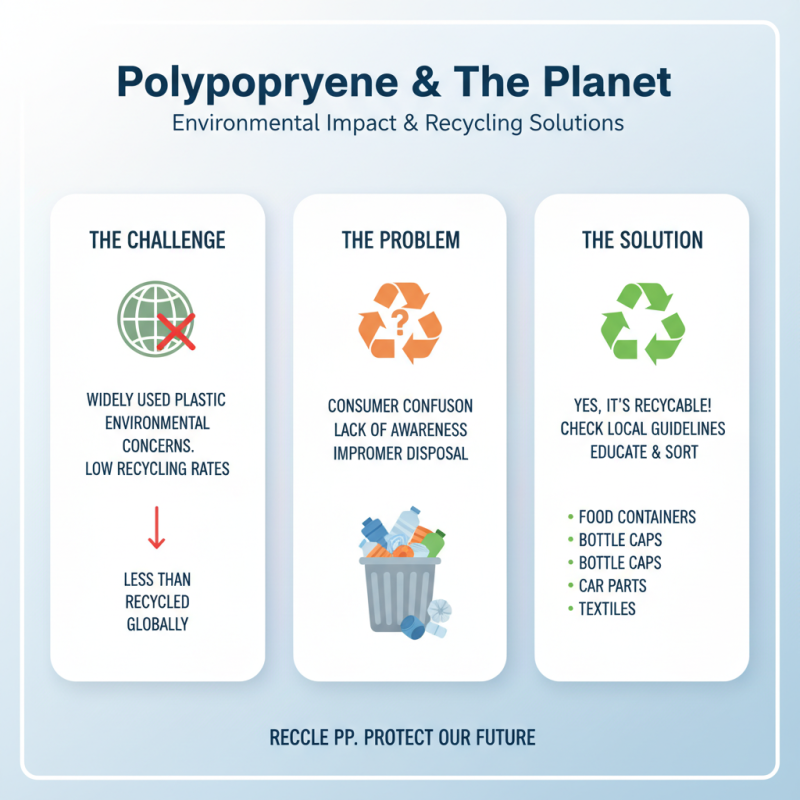
Polypropylene is widely used in various industries. However, its impact on the environment raises concerns. Unlike many plastics, polypropylene can be recycled. Yet, recycling rates for this material remain low. Many consumers are unaware of how to recycle polypropylene correctly. This knowledge gap complicates waste management efforts.
The recycling process for polypropylene involves collection, sorting, and processing. It can be turned into new products, reducing landfill waste. Many recycling facilities may not accept it due to contamination concerns. Proper cleaning and sorting are essential for successful recycling. Unfortunately, improper disposal often leads to environmental damage.
Despite its advantages, polypropylene has downsides. It is not biodegradable, meaning it lingers in the environment. This lack of decomposition presents long-term challenges. More awareness and education are crucial for effective recycling. Communities need to encourage better practices. There is much room for improvement in how we handle polypropylene waste.