Top Uses of Plastic Profiles in Modern Applications?
Plastic profiles are becoming increasingly popular in various modern applications. These versatile materials serve many purposes across different industries. Their unique properties make them ideal for construction, automotive, and consumer goods.
In construction, plastic profiles are used for window frames, roofing, and flooring solutions. They are lightweight, durable, and resistant to environmental conditions. This makes them easier to handle than traditional materials. In the automotive sector, manufacturers utilize plastic profiles for interior trims and bumpers. These components help reduce weight and increase fuel efficiency.
However, as the use of plastic profiles expands, it brings some challenges. The environmental impact of plastic waste cannot be ignored. While plastic profiles provide functionalities, their disposal can become a significant issue. Thus, industries must focus on recycling and sustainable practices. Balancing innovation with environmental responsibility is crucial for the future.
Key Characteristics of Plastic Profiles for Modern Use
Plastic profiles have become essential in various modern applications due to their unique characteristics. They are lightweight yet strong, making them ideal for construction and automotive components. The flexibility of these materials allows for intricate designs. Additionally, their resistance to corrosion enhances durability, especially in outdoor applications. This means longer-lasting products that require less maintenance.
Moreover, plastic profiles can be customized easily. Colors, textures, and shapes can be tailored to specific needs, giving designers great freedom. However, there are challenges. Some plastic profiles may not withstand extreme temperatures. Others might degrade under UV exposure. These issues often lead to a rethink on material selections. Despite these drawbacks, the processing ease of plastic profiles often outweighs these concerns in many industries.
Recycling is another area where plastic profiles fall short. While some can be recycled, many end up in landfills. This raises important questions about sustainability. Manufacturers and users alike must consider the lifecycle of these products. In a world increasingly focused on environmental impact, improvements in recycling methods are critical.
Common Types of Plastic Profiles and Their Applications
Plastic profiles have become integral in many modern applications. These versatile materials can be shaped and molded into various forms, proving valuable in numerous industries. For instance, window frames made from PVC offer excellent insulation and durability. They resist weathering and require minimal maintenance, making them a popular choice among homeowners.
In construction, plastic profiles serve as conduits for electrical wiring. These profiles protect wires from moisture and damage. Another application can be found in the automotive industry, where plastic profiles are used in interior trim and dashboards. They provide lightweight solutions without sacrificing strength. Profiles used in furniture manufacturing also showcase their adaptability. Furniture legs or edging often incorporate plastic, enhancing aesthetic appeal while maintaining functionality.
Plastic profiles come in different types, such as rigid and flexible. Rigid profiles provide structural support, while flexible ones are ideal for sealing and edging. Despite their advantages, the production process can be energy-intensive and generate waste. This raises concerns about sustainability. Continuous innovation is needed to minimize environmental impact while maximizing performance.
Top Uses of Plastic Profiles in Modern Applications
This chart illustrates the distribution of plastic profile applications across various sectors. The construction industry leads with 25%, followed by automotive applications at 20%. Other significant areas include furniture and electronics, which account for 15% and 20% respectively. Packaging and healthcare are also notable applications, with 10% each. Understanding these distributions helps in recognizing the versatility and importance of plastic profiles in modern industries.
Innovative Uses of Plastic Profiles in Construction and Architecture
Plastic profiles are increasingly used in construction and architecture. They offer flexibility in design and durable options for various applications. For instance, window frames made from plastic profiles provide excellent insulation. This can lead to significant energy savings in homes and buildings.
Beyond functionality, plastic profiles contribute to aesthetic appeal. Architects can create unique shapes and structures. These profiles can easily mimic materials like wood or metal. They come in a variety of colors and finishes, allowing greater creative freedom. However, not all plastic profiles are created equal. Some may fade over time or warp under extreme conditions.
Another interesting use is in modular construction. Plastic profiles can be prefabricated and assembled on-site. This can speed up the building process. Yet, the need for proper installation is crucial. If misaligned, structures could face long-term issues. This highlights the importance of precision during construction projects.
The Role of Plastic Profiles in Automotive and Transportation Industries
Plastic profiles play a crucial role in the automotive and transportation sectors. They are lightweight, durable, and versatile. In fact, the global plastic market for automotive applications is projected to reach $37 billion by 2025. This growth reflects a significant shift towards materials that enhance fuel efficiency and reduce emissions.
Many manufacturers are now using plastic profiles in components like dashboards, doors, and interior trims. These profiles contribute to weight reduction, which ultimately improves fuel economy. For instance, a 10% reduction in vehicle weight can lead to a 6-8% increase in fuel efficiency. Moreover, the use of plastic can reduce overall manufacturing costs.
Challenges remain, however. The recycling of plastic materials is still a pressing issue. Despite advancements, many plastic components end up in landfills. The industry must innovate to improve recyclability and waste management. Increasing awareness and responsibility among manufacturers is critical for a sustainable future.
Solutions are needed urgently to address the environmental impact of plastic use in the industry.
Environmental Benefits and Challenges of Using Plastic Profiles
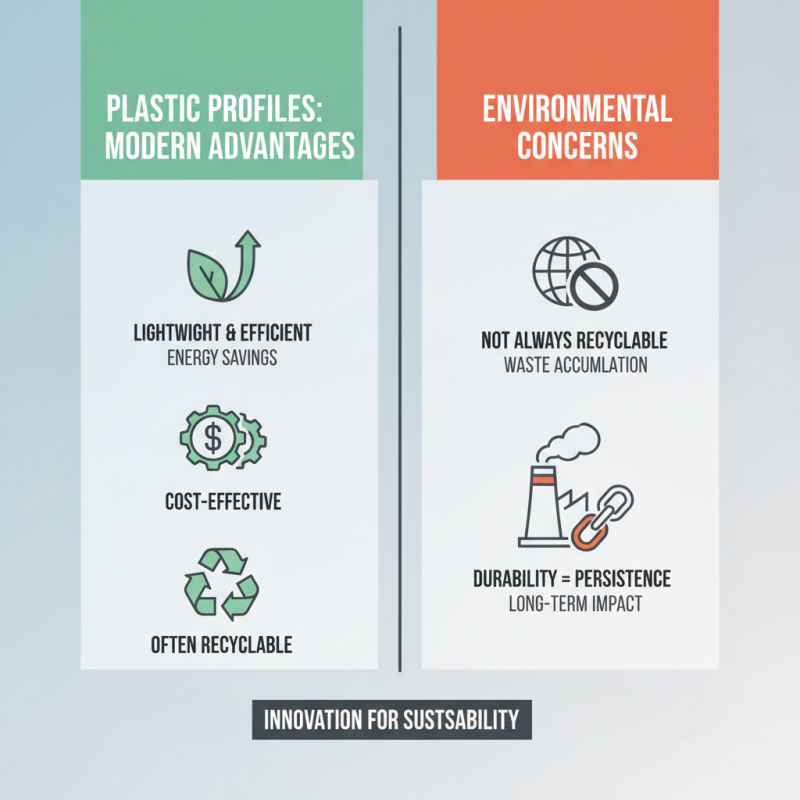
Plastic profiles play a significant role in modern applications, offering various advantages. However, their environmental impact raises concerns. These plastic materials are lightweight and cost-effective. They often replace heavier materials, contributing to energy savings. Many plastic profiles are recyclable, but this is not always the case.
One challenge is pollution. Improper disposal of plastic can lead to environmental damage. Microplastics often infiltrate natural ecosystems, affecting wildlife. Some plastics degrade slowly, lingering in landfills for decades. This long-term effect can be harmful and creates a pressing need for better waste management systems.
Another aspect to consider is the resources used in production. Creating plastic profiles often requires fossil fuels. This consumption creates carbon emissions, contributing to climate change. Thus, while plastic profiles have beneficial uses, their production and disposal require careful regulation and innovation. Herein lies the complexity of balancing convenience with environmental responsibility.