Top Uses of Poly Plastic in Everyday Life and Its Environmental Impact
Poly plastic has become an integral part of our daily lives, offering convenience and functionality in a variety of forms. From packaging materials to household items, the versatility of poly plastic is unmatched, allowing it to meet the diverse needs of consumers in a fast-paced world. Products made from poly plastic are not only lightweight and durable but also adaptable, making them a popular choice in industries ranging from food service to fashion. As we explore the top uses of poly plastic in everyday life, we will discover how these materials have revolutionized the way we live, shop, and interact with our environment.
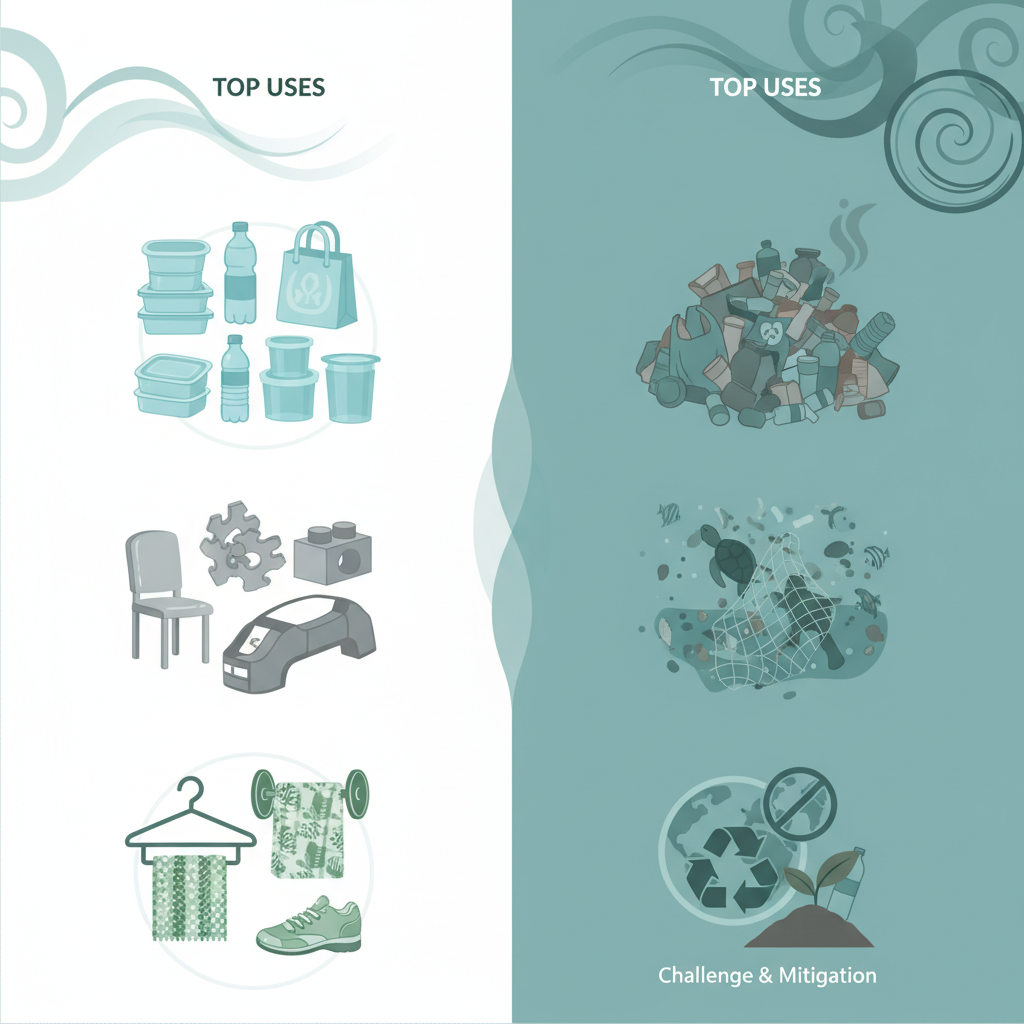
However, the widespread use of poly plastic brings with it significant environmental challenges. The durability that makes poly plastic so useful also contributes to its persistence in the environment, leading to pollution and waste management issues. As poly plastic products often end up in landfills or oceans, they pose threats to wildlife and ecosystems. Therefore, it is crucial to examine the balance between the practical benefits of poly plastic and its environmental impact. This exploration will help us understand not only how we can utilize poly plastic effectively but also how we can mitigate its detrimental effects on our planet.
Top Uses of Poly Plastic in Everyday Life
Polypropylene and polyethylene, commonly referred to as poly plastics, have become integral to our daily lives due to their versatility and lightweight nature. These plastic types are widely used in packaging, where they account for over 60% of the plastic production globally, as reported by the Plastics Industry Association. From food containers and shopping bags to bottles and tubs, poly plastics effectively provide convenience and durability. The global demand for these products continues to rise, with the packaging sector projected to reach $1 trillion by 2025, emphasizing the importance of poly plastics in everyday items.
In addition to packaging, poly plastics find applications in automotive and construction industries. For instance, many vehicle components, such as dashboards and bumpers, are made from polypropylene, which is favored for its strength-to-weight ratio. According to a study published by the American Chemistry Council, plastic materials, including poly plastics, can reduce vehicle weight by up to 20%, leading to improved fuel efficiency. Additionally, in the construction sector, polyethylene is commonly used as insulation and vapor barriers, enhancing energy efficiency. As these materials play a pivotal role in various industries, their impact on our everyday lives is undeniable.
The Role of Poly Plastic in Packaging and Food Preservation
Poly plastic plays a crucial role in packaging and food preservation, primarily due to its versatility and durability. This material is widely used in the production of containers, wrappers, and protective barriers that help extend the shelf life of food products. Its lightweight nature and resistance to moisture prevent spoilage, allowing for extended storage periods and reduced food waste. Additionally, poly plastic is integral in creating vacuum-sealed packages that minimize oxygen exposure, thereby preserving the freshness and nutritional value of perishable goods.
Despite its practical benefits, the environmental impact of poly plastic cannot be overlooked. The convenience of plastic packaging often leads to significant environmental challenges, including pollution and waste accumulation. Many poly plastic products are not biodegradable, resulting in long-term ecological consequences when discarded improperly. As consumers become more aware of these issues, there is a growing demand for sustainable packaging alternatives, encouraging companies to explore biodegradable materials and recycling solutions to mitigate the detrimental effects of poly plastic on the environment.
Applications of Poly Plastic in Household Products and Appliances
Poly plastic, often utilized in a myriad of household products, has become integral to modern living. One prominent application is in kitchenware, with poly plastics forming durable and lightweight containers that resist moisture and spills. Food storage containers made from polypropylene, for instance, are not only convenient but also designed to keep food fresh for longer periods. Additionally, poly plastics are prominent in the manufacturing of various kitchen appliances, including blenders and mixers, where their versatility allows for innovative designs that enhance functionality.
In the realm of household cleaning supplies, poly plastic has found its way into the production of items such as spray bottles and buckets. These products benefit from the material's resistance to chemicals and ease of cleaning, making them suitable for repeated use. Furthermore, poly plastic is widely used in furniture production, where it contributes to the lightweight and cost-effective nature of items like chairs and tables. Despite its practicality in everyday products, the widespread use of poly plastic raises concerns about environmental sustainability due to its non-biodegradable nature, urging consumers and manufacturers to consider eco-friendly alternatives.
Top Uses of Poly Plastic in Everyday Life and Its Environmental Impact
| Application |
Description |
Environmental Impact |
Recyclability |
| Packaging |
Used for food containers, bags, and wraps. |
Contributes to plastic waste; marine pollution risk. |
Yes, though often not recycled properly. |
| Home Appliances |
Covers and components in fridges, microwaves. |
Energy-efficient but adds to electronic waste. |
Partially, varies by component type. |
| Furniture |
Uses include plastic chairs, tables, and storage. |
Durable but can contribute to landfill waste. |
Yes, many types are recyclable. |
| Toys |
Commonly made from poly plastics for durability. |
Can pose safety and pollution risks if discarded. |
Yes, but often end up in landfills. |
| Construction Materials |
Includes piping, insulation, and window frames. |
Long-lasting but contributes to plastic pollution. |
Yes, depending on local recycling facilities. |
Poly Plastic in the Fashion Industry: Benefits and Controversies
The fashion industry has embraced poly plastic materials for their versatility and affordability, making them popular among designers and manufacturers. From faux leather jackets to vibrant polyester dresses, poly plastics allow for innovative designs that cater to a wide range of consumer preferences. However, the use of these synthetic materials raises significant environmental concerns. The production of poly plastics involves fossil fuels and contributes to greenhouse gas emissions, while the disposal of plastic garments often leads to pollution and waste.
Tips for responsible fashion choices include opting for brands that use recycled poly materials or those committed to sustainable practices. Look for collections that promote the circular economy, where garments can be reused or recycled instead of ending up in landfills. Additionally, consider investing in higher-quality pieces that last longer, reducing the need for frequent replacements. This approach not only supports a more sustainable fashion industry but also encourages mindful consumption.
Despite the drawbacks of poly plastics, awareness is growing around the importance of sustainable alternatives. Designers and consumers are increasingly focused on finding eco-friendly materials that can replace traditional poly plastics without sacrificing style or functionality. By prioritizing sustainability, the fashion industry can move towards a more responsible and environmentally conscious future.
Environmental Impact of Poly Plastic: Decomposition and Pollution
Poly plastic has become a ubiquitous material in our daily lives, found in everything from packaging to household items. However, its convenience comes at a significant environmental cost. One of the primary concerns is the decomposition rate of poly plastics, which can take hundreds to thousands of years to break down. During this prolonged decomposition process, plastics fragment into microplastics that spread throughout ecosystems, causing further pollution and entering the food chain.
The pollution caused by poly plastics extends beyond visual waste; it significantly impacts wildlife. Animals often mistake plastic for food, leading to ingestion that can cause injury or death. Moreover, the chemicals in plastics can leach into the environment, contaminating soil and water sources. As these materials persist in nature, they contribute to soil degradation and water pollution, which threatens both biodiversity and human health. The urgency to address the environmental impact of poly plastic is more pressing than ever as we seek sustainable alternatives and better waste management solutions.
Top Uses of Poly Plastic in Everyday Life and Its Environmental Impact
This chart represents the top uses of poly plastic in everyday life, highlighting their prevalence and environmental impact in terms of potential pollution and decomposition timelines.
Conclusion
Poly plastic is an integral part of modern life, widely utilized across various sectors. From its crucial role in packaging and food preservation to its applications in household products and appliances, poly plastic offers convenience and durability that enhance daily experiences. In the fashion industry, it presents both benefits and controversies, as designers explore innovative uses while grappling with sustainability concerns.
However, the environmental impact of poly plastic cannot be overlooked. Issues such as decomposition and pollution highlight the urgent need for recognizing its drawbacks. As awareness grows, sustainable alternatives are emerging, offering potential benefits that can reduce our reliance on poly plastic. Transitioning to these alternatives could be key to mitigating the negative impacts associated with poly plastic, paving the way for a more sustainable future.