No Job is Too Big or Too Small!

What Are Injection Molded Parts?

Injection molded parts are everywhere, from dashboard controls and medical housings to bottle caps and appliance components. They are formed by forcing heated plastic into a precisely machined mold. After cooling, the solid part is ejected and inspected. Simple in appearance. Demanding in practice.

Douglas M. Bryce, a recognized author and consultant in plastics processing, describes injection molding as “a manufacturing process for producing parts by injecting molten material into a mold.” This definition is accurate, but it leaves out the decisions behind consistent production. Engineers must match the resin to the part’s function, flow behavior, temperature limits, and expected stresses. They must also consider wall thickness, draft angles, ribs, bosses, and gate placement before cutting steel. A small design mistake can create sink marks, short shots, flash, or difficult ejection.

The process begins with plastic pellets, often dried before melting. A screw then conveys and injects the material under controlled pressure. Cooling channels remove heat while the mold holds the required geometry. Cycle time matters, but quality matters more. That balance is not always obvious.

In real factories, injection molded parts can vary because of moisture, tool wear, material batches, or unstable machine settings. Inspection data helps reveal these problems. Still, no process is perfect. Reliable results require design reviews, mold trials, dimensional checks, and continuous improvement. This article explains how injection molded parts are made, what affects their performance, and why careful engineering remains essential.
What Are Injection Molded Parts?

What Injection Molded Parts Are: From Molten Polymer to Finished Components

What Are Injection Molded Parts?

What Injection Molded Parts Are: From Molten Polymer to Finished Components

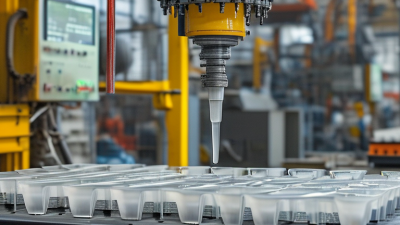
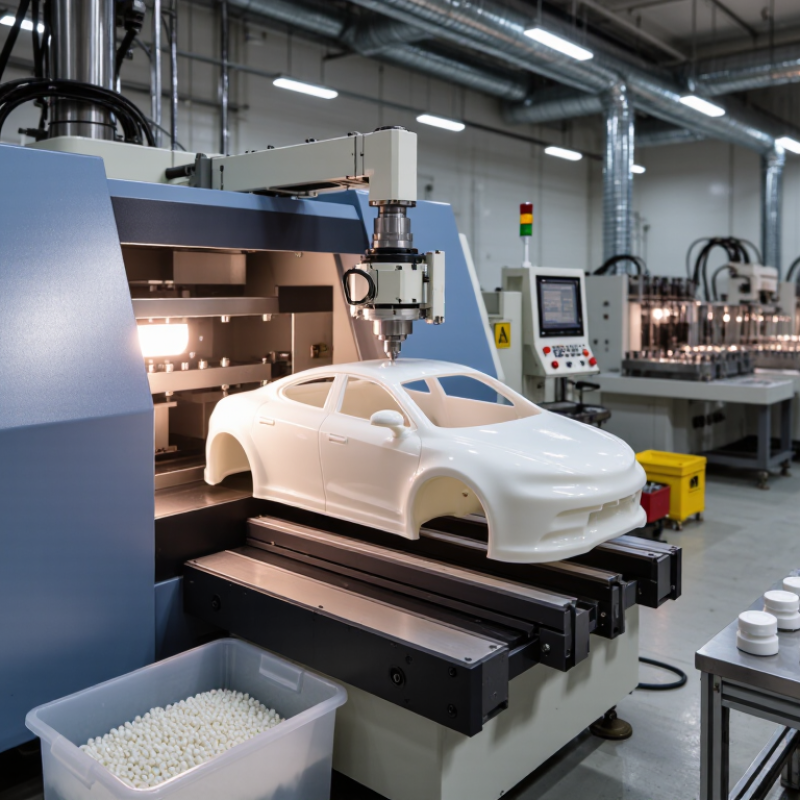
Injection molded parts begin as small polymer pellets, not finished products. A heated barrel melts these pellets into a controlled, flowing material. The machine then pushes the molten polymer into a metal mold under pressure. Inside the mold, the material fills narrow ribs, holes, and textured surfaces.

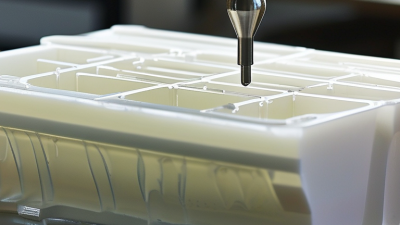
Cooling changes everything. As the polymer loses heat, it hardens into the mold’s exact cavity shape. Ejector pins then release the component without damaging its edges. Operators inspect dimensions, surface quality, and possible warping. A thin plastic housing may look simple, but its wall thickness strongly affects strength and cooling time.

Material selection requires practical judgment. Some polymers resist heat, while others provide flexibility or impact protection. Additives can change color, stiffness, or shrinkage behavior. Mold design also matters. Sharp internal corners can create stress, so engineers often add small radii. Those details are easy to miss.

The process is not flawless. Uneven cooling may leave sink marks or slight distortion. A part can meet the drawing yet feel weaker than expected during use. For reliable production, teams compare real samples with measurements and service conditions. They adjust temperature, pressure, cooling time, or gate placement when evidence supports a change. A finished component is therefore the result of chemistry, tooling, machine control, and careful inspection.

How Injection Molding Works: 30–150 MPa Pressure and 10–60 Second Cycles

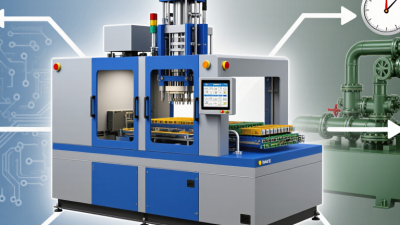
Injection molded parts are formed when plastic pellets become controlled, repeatable shapes inside a metal mold. A screw melts the material, then forces it through a gate at roughly 30–150 MPa. Pressure packs the cavity and offsets shrinkage during cooling. The result may be a thin housing, fitting, gear, or structural bracket. It is not simply plastic poured into a mold. Temperature, venting, clamp force, and timing determine whether the cavity fills cleanly.

A typical cycle may last 10–60 seconds, although geometry and resin change the result. Filling can take less than two seconds. Cooling often consumes most of the cycle. Operators check for short shots, flash, sink marks, and warped edges. A quick cycle sounds efficient. It can also leave hot cores, uneven crystallization, or hidden stress. During trials, I would measure part weight, dimensions, and ejection temperature instead of trusting the machine display alone. That discipline prevents attractive but unstable samples.

The scale is substantial. Plastics—The Facts 2023 reported 400.3 million tonnes of global plastics production in 2022. This figure explains why process efficiency matters. The OECD Global Plastics Outlook reported 353 million tonnes of plastic waste in 2019. Durable design and controlled scrap therefore deserve attention. Injection molding offers high repeatability, but repeatability is not automatic. Mold maintenance, moisture control, and documented settings remain essential. One overlooked vent can create burn marks under high-speed filling. Better tooling reduces rework, yet no setting replaces a measured trial.

Materials and Design Rules: Thermoplastics, 0.5–4 mm Walls, and ±0.05 mm Tolerances

What Are Injection Molded Parts?

Injection molded parts are shaped by forcing molten thermoplastic into a cooled mold. Common choices include polypropylene, ABS, polyamide, and POM. PlasticsEurope reported 400.3 million tonnes of global plastic production in 2022, showing the material’s industrial scale. Yet high volume does not guarantee stable dimensions.

Wall thickness usually falls between 0.5 and 4 mm. Thin sections cool quickly, but they can fill poorly or develop weak weld lines. Thick sections may shrink unevenly and leave sink marks. Keep walls consistent where possible. Add ribs carefully, often near 40–60% of the adjacent wall thickness. Draft angles also support clean ejection; about 0.5–2 degrees is a practical starting range.

Small tolerances need honest process planning. A ±0.05 mm tolerance may be achievable on selected features, but not across every molded surface. Material shrinkage, mold temperature, packing pressure, and part location all matter. ISO 20457:2018 separates general and special tolerances for injection-molded plastic parts. It is a useful reference, not a substitute for testing.

A recent design review may still uncover warpage near a gate. That detail is easy to miss. Engineers should specify tight tolerances only where assembly or function truly requires them, then validate samples under real production conditions. Geological fillers, moisture, and tool wear can also shift results. The drawing may need revision.

Quality Standards and Defects: ISO 20457 Classes, Warpage, Flash, and Sink Marks

What Are Injection Molded Parts?

Injection molded parts are formed when molten plastic fills a shaped cavity and cools under controlled pressure. Their quality depends on the mold, material, machine settings, and inspection method.

ISO 20457 provides a structured approach to dimensional tolerances and acceptance conditions for molded parts. Its tolerance classes help engineers match accuracy with realistic process capability.

A fine class may require tighter control, while a general class may suit less critical dimensions.

The drawing should identify critical features clearly.

One class cannot solve every design problem.

Small defects matter.

Warpage appears when cooling is uneven, often around thick sections, ribs, or uneven wall thickness. A flat cover may twist enough to miss its assembly target.

Flash forms when plastic escapes through the parting line, worn insert, or excessive clamp pressure. It can leave a sharp, thin edge.

Sink marks usually develop above ribs, bosses, or other heavy sections. These areas cool slowly and pull the surface inward.

Reducing wall thickness, improving cooling, and adjusting packing pressure can help.

However, excessive packing may create stress or difficult ejection.

Reliable inspection needs stable temperature, calibrated gauges, and agreed lighting conditions.

Inspectors should record location, size, and frequency, not only mark a part “bad.”

In production reviews, teams sometimes blame the machine too quickly. Mold alignment, resin moisture, and cooling-channel balance deserve equal attention.

Acceptance limits should reflect function, appearance, and the selected ISO 20457 tolerance class.

Human judgment still matters, especially when a borderline surface passes measurement but fails assembly.

Industrial Applications: Automotive, Medical, Electronics, and High-Volume Production

What Are Injection Molded Parts?

Injection molded parts are formed by forcing heated polymer into a precision-machined cavity. After cooling, the part releases with repeatable dimensions. This process suits dashboard clips, syringe components, sensor housings, and electrical connectors. It also supports complex ribs and snap-fits without extensive machining.

Automotive production depends on speed, weight control, and consistent fit. Interior panels, fluid-system components, and lighting mounts often use engineered thermoplastics. In medical manufacturing, cleanroom molding can produce dosage devices, diagnostic housings, and surgical accessories. Small defects matter here. A short shot or trapped particle may compromise usability, even when the part looks acceptable.

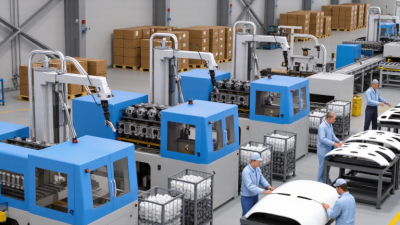
Electronics manufacturers value insulation, thin walls, and stable tolerances. Connectors and protective enclosures commonly require careful gate design and controlled cooling. High-volume production makes tooling economics especially important. Grand View Research estimated the global injection molded plastics market at about USD 284.5 billion in 2023, with projected growth through 2030. PlasticsEurope reported global plastics production of 413.8 million tonnes in 2023. These figures describe broad markets, not identical product categories, so comparisons need caution. Real-world results still depend on resin drying, mold maintenance, cycle validation, and operator experience. The process is efficient, but not effortless.