No Job is Too Big or Too Small!

2026 Best Injection Molding Materials for Global Buyers

Choosing the 2026 best injection molding materials requires more than comparing price, strength, or supplier availability. Global buyers must examine processing temperatures, shrinkage, moisture sensitivity, chemical resistance, and regional supply stability. A medical enclosure may need medical-grade polycarbonate, while an automotive bracket could require glass-filled nylon or polypropylene. Each choice changes tooling conditions, cycle time, surface finish, and long-term performance.

There is no universal winner. John P. Beaumont, a respected injection molding engineer and author, said, “The runner system is the plumbing system of the mold.” His observation also applies to material selection: resin behavior must match the entire molding system, not just the product drawing. Experienced buyers should request current technical data sheets, safety documentation, lot traceability, recycled-content details, and confirmation of applicable market requirements. Supplier claims deserve verification.

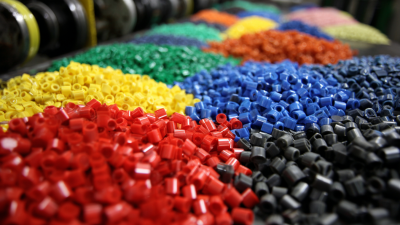
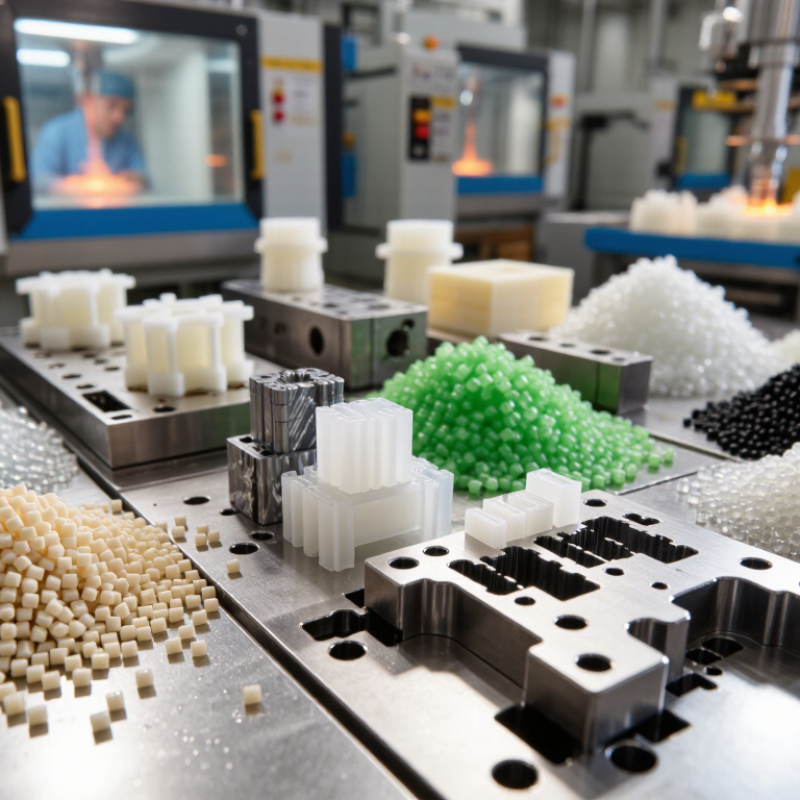
Common injection molding materials include ABS, polypropylene, polycarbonate, nylon, POM, PEEK, and thermoplastic elastomers. Their differences become visible on the factory floor. Nylon pellets can absorb moisture before molding. Glass fibers may create visible flow lines. Polycarbonate can show stress whitening around sharp corners. Small details matter.

A reliable 2026 sourcing strategy should combine laboratory data with production trials, especially when switching suppliers or adding recycled content. Cost comparisons can be misleading when drying equipment, rejected parts, or longer cycles are ignored. This guide evaluates performance, processability, sustainability, availability, and total ownership cost for global buyers. Some recommendations will remain debatable. Real applications often expose weaknesses that spreadsheets miss.
2026 Best Injection Molding Materials for Global Buyers

What Are Injection Molding Materials and Why Do They Matter?

Injection molding materials are the plastics, resins, elastomers, and additives shaped inside a heated mold. They become finished parts after cooling or curing. Common families include polypropylene, ABS, polyamide, polycarbonate, thermoplastic elastomers, and reinforced compounds. Each material responds differently to heat, pressure, moisture, chemicals, and repeated stress.

The material choice matters because it affects part strength, surface quality, dimensional stability, cycle time, and total cost. A flexible seal needs different behavior than a rigid housing or a food-contact container. Moisture-sensitive materials may require controlled storage and drying before production. In my experience, a resin that looks suitable on paper can still produce warping, sink marks, or brittle corners. Datasheets help, but testing remains necessary.

Tips: Define the part’s temperature, load, and environment before requesting quotations. Ask for the material grade, colorant details, recycled content, and processing conditions. Check whether local suppliers can provide consistent batches. Keep a small sample from every approved production lot. Small checks prevent expensive surprises.

Global buyers should also review tolerances, mold design, and inspection methods with the molder. A material’s performance depends on wall thickness, flow direction, cooling balance, and molding settings. I prefer trial runs with measured samples rather than relying on promises. That approach takes more time, and sometimes the first decision is wrong. Reconsidering it early is usually less costly than correcting thousands of finished parts.

How to Compare Common Injection Molding Material Categories

For global buyers, material comparison should begin with service conditions, not resin price. PlasticsEurope reported 413.8 million tonnes of plastics production worldwide in 2023. That scale explains the wide choice of commodity, engineering, and high-performance thermoplastics. Commodity grades, such as PP, PE, and PS, usually offer low cost and fast processing. They fit packaging, housings, and non-demanding parts. However, stiffness, heat resistance, and dimensional stability may be limited.

Engineering grades, including ABS, PC, PA, and POM, provide stronger mechanical performance. Compare impact strength, moisture absorption, shrinkage, and mold temperature together. A dry PA sample can behave differently after conditioning. High-performance grades, such as PPS and PEEK, tolerate demanding heat and chemicals, but tooling and cycle costs rise sharply. ASTM and ISO test methods improve comparison, although supplier data still needs validation through molded samples.

OECD’s Global Plastics Outlook projects global plastics consumption could almost triple by 2060 under current policies. Buyers should examine recycled content, end-of-life routes, and regional compliance early. I have seen a cheap resin become expensive after warpage, rejected parts, and repeated mold adjustments. That lesson is easy to underweight. A practical comparison matrix should score total cost, performance margin, supply continuity, and processing risk. The weakest assumption may be the most important one.

2026 Best Injection Molding Materials for Global Buyers

How to Compare Common Injection Molding Material Categories

This screening chart compares representative unfilled injection molding grades by tensile strength and heat deflection temperature. Values are approximate midpoints commonly reported in technical data sheets and can vary with grade, moisture condition, fiber reinforcement, test method, and processing conditions. Use supplier-specific data for final material selection.

Which Materials Best Match Product Performance Requirements?

2026 Best Injection Molding Materials for Global Buyers

Which Materials Best Match Product Performance Requirements?

Material selection should begin with product stress, not resin price. The OECD reported that global plastic waste reached 353 million tonnes in 2019. Only 9% was recycled. This makes durability and end-of-life planning important commercial factors.

Polypropylene suits lightweight housings, living hinges, and chemical-contact parts. It offers low density and reliable fatigue resistance. ABS provides better impact performance and surface quality for consumer enclosures. Polycarbonate withstands higher impact and heat, but it needs careful drying before molding. Poor drying can create bubbles and weak areas.

For sliding components, POM offers low friction and stable dimensions. Nylon performs well under mechanical loads, although moisture can change its size. Glass-fiber reinforcement improves stiffness. It may also increase warpage and tool wear. For demanding thermal environments, PEEK can outperform common engineering plastics, but its processing temperature and cost are substantial.

PlasticsEurope reported global plastics production of 413.8 million tonnes in 2023. That scale does not make one material universally suitable. Mold trials should measure shrinkage, weld-line strength, cycle time, and dimensional change after conditioning. Shortlist two materials, not one. Product teams sometimes overvalue tensile strength. Real failures often begin with impact, moisture, or poor gate design. That deserves a second review.

2026 Best Injection Molding Materials for Global Buyers

Which Materials Best Match Product Performance Requirements?

Material Material Family Typical Density
(g/cm³)
Typical Tensile Strength
(MPa)
Typical Continuous
Service Temperature
Approximate Mold Shrinkage
(%)
Key Performance Advantages Best Product Performance Match Main Limitations and Processing Considerations Common Injection-Molded Applications
Polypropylene (PP) Commodity thermoplastic polyolefin 0.90–0.91 25–40 80–100 °C 1.0–2.5 Low density, excellent chemical resistance, good fatigue resistance, low moisture absorption, and strong living-hinge performance. Lightweight parts Hinged closures Chemical exposure Cost-sensitive products Lower stiffness and heat resistance than engineering plastics; relatively high shrinkage can affect dimensional control. Containers, caps, storage products, automotive trim, laboratory items, household components, and reusable packaging.
High-Density Polyethylene (HDPE) Commodity thermoplastic polyolefin 0.94–0.97 20–37 75–100 °C 1.5–3.0 Toughness, excellent moisture resistance, very good chemical resistance, low friction, and strong impact performance at low temperatures. Moisture barriers Chemical containers Impact resistance Low-cost parts Limited stiffness and heat resistance; higher shrinkage and warpage risk require careful mold and cooling design. Bottles, caps, fuel-system components, crates, toys, piping fittings, and industrial containers.
Acrylonitrile Butadiene Styrene (ABS) Amorphous engineering thermoplastic 1.03–1.07 35–55 70–85 °C 0.4–0.8 Balanced stiffness, impact resistance, surface quality, dimensional stability, and ease of processing. Paintable housings Good appearance Moderate impact Dimensional accuracy Limited UV and weathering resistance unless modified; not suitable for prolonged high-temperature exposure. Electronic housings, appliance parts, instrument panels, consumer products, automotive interior components, and toys.
Polycarbonate (PC) Amorphous engineering thermoplastic 1.18–1.22 55–75 115–130 °C 0.5–0.8 Very high impact strength, high transparency, good dimensional stability, and strong temperature capability. Transparent safety parts High impact Electrical insulation Heat exposure Sensitive to certain chemicals and stress cracking; requires thorough drying before molding and may scratch more easily than glass. Safety shields, lenses, medical housings, lighting components, electrical enclosures, and protective equipment.
Polyamide 6 / 66 (PA6 / PA66) Semicrystalline engineering thermoplastic 1.12–1.15 60–90 100–120 °C 0.8–2.0 High strength, wear resistance, fatigue resistance, good abrasion performance, and strong mechanical performance at elevated temperatures. Load-bearing parts Wear components Under-hood parts Mechanical strength Absorbs moisture, which can change dimensions and mechanical properties; requires drying and humidity-aware design. Gears, bushings, cable ties, structural brackets, automotive components, fasteners, and industrial mechanisms.
Polyoxymethylene (POM) Semicrystalline engineering thermoplastic 1.39–1.43 55–75 90–110 °C 1.5–2.5 Excellent dimensional stability, low friction, low moisture absorption, fatigue resistance, and good resistance to repeated sliding contact. Precision mechanisms Low-friction parts Snap fits Tight tolerances High shrinkage requires mold compensation; difficult to bond or paint; thermal decomposition must be controlled during processing. Gears, rollers, valves, pump components, zippers, clips, automotive mechanisms, and precision assemblies.
Polybutylene Terephthalate (PBT) Semicrystalline engineering thermoplastic polyester 1.30–1.34 45–65 100–120 °C 1.0–2.0 Good electrical insulation, chemical resistance, dimensional stability, surface finish, and fast crystallization during molding. Electrical connectors Automotive electronics Heat resistance Dimensional control Can be brittle in some unmodified grades; hydrolysis resistance and drying requirements depend on grade and processing conditions. Connectors, sensor housings, switches, relays, automotive electrical components, and appliance parts.
Polyphenylene Sulfide (PPS) High-performance semicrystalline thermoplastic 1.30–1.36 50–85 200–220 °C 0.2–0.8 Excellent high-temperature stability, chemical resistance, dimensional stability, flame resistance, and low moisture absorption. High-temperature parts Aggressive chemicals Electrical systems Low moisture change Higher material cost, abrasive behavior in reinforced grades, and demanding processing conditions; unmodified material can be relatively brittle. Automotive under-hood parts, pump components, electrical connectors, chemical-processing components, and high-temperature insulators.
Polyether Ether Ketone (PEEK) High-performance semicrystalline thermoplastic 1.30–1.32 90–100 240–260 °C 0.8–1.5 Exceptional temperature capability, chemical resistance, fatigue resistance, wear performance, and retention of mechanical properties. Extreme temperature Medical components Aerospace mechanisms Chemical exposure Very high material and tooling requirements; narrow processing window and high melt temperature demand specialized equipment. Seals, bearings, electrical components, medical instruments, aerospace parts, semiconductor equipment, and chemical-processing components.
Thermoplastic Polyurethane (TPU) Thermoplastic elastomer 1.10–1.25 25–55 70–100 °C 0.8–1.5 Elastic recovery, abrasion resistance, tear strength, impact absorption, and a broad range of hardness options. Flexible parts Soft-touch surfaces Abrasion resistance Sealing performance Moisture-sensitive before molding; some formulations have limited hydrolysis, UV, or high-temperature resistance. Seals, protective covers, grips, wheels, flexible connectors, wearable components, and impact-resistant overmolded parts.
Polyether Block Amide (PEBA) Thermoplastic elastomer 0.98–1.05 25–50 80–120 °C 0.5–1.5 Low density, excellent flexibility, strong fatigue resistance, low-temperature flexibility, and good energy return. Dynamic flexibility Low-temperature use Lightweight products Repeated bending Higher cost than general-purpose elastomers; mechanical properties vary significantly with hardness and block composition. Catheters, sports components, flexible tubing, cable protection, footwear elements, and dynamic medical devices.
Recycled Thermoplastics Reprocessed or post-consumer thermoplastic material Material-dependent Typically 5–30% below comparable virgin grades Material-dependent Typically higher variation Reduced reliance on virgin feedstock, potential waste reduction, and lower embodied resource demand when quality and traceability are controlled. Non-critical parts Sustainability targets Industrial products Color-tolerant designs Batch-to-batch variation, contamination risk, shorter thermal history margin, and possible changes in odor, color, strength, and appearance. Pallets, crates, automotive non-safety parts, housings, construction products, packaging, and industrial accessories.
Data note: Values are representative ranges for unfilled or commonly available injection-molding grades. Actual properties depend on grade formulation, reinforcement, additives, moisture content, molding conditions, specimen geometry, testing method, and service environment. Continuous service temperature is a general design guideline rather than a guaranteed rating. Material selection should be validated against applicable ISO, ASTM, UL, food-contact, medical, automotive, or regional regulatory requirements.

How Do Processing Conditions Affect Material Selection?

Injection molding material selection starts with the machine, not the catalog. Melt temperature, mold temperature, pressure, shear, and cooling time can change performance dramatically. PlasticsEurope’s Plastics – the Fast Facts 2024 reports global plastics production reached 413.8 million tonnes in 2023. That scale hides a practical issue: identical resin families can behave differently under different processing windows.

Moisture is often the quiet failure. Hygroscopic materials may need controlled drying before molding, or hydrolysis can reduce strength and surface quality. A damp pellet can create silver streaks across a glossy housing. High shear can also raise melt temperature, especially in thin-wall parts. For glass-filled grades, excessive shear may damage fiber length and reduce impact performance.

Mold temperature matters, too. Higher temperatures can improve weld-line strength, but they may extend cycle time. According to the 2024 Plastics Industry Association equipment and processing outlook, productivity remains closely tied to cycle efficiency and process stability.

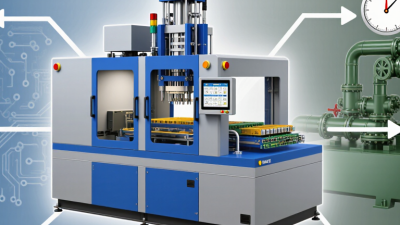
I have seen teams choose a material from tensile data alone. That is not enough. A resin rated for high heat may fail after poor drying, uneven cooling, or excessive residence time. Processing conditions should match the part’s wall thickness, gate design, moisture exposure, and required cycle. Start with supplier data, then validate with trial shots and measured results. Some assumptions will be wrong. That is useful evidence, not wasted effort. Record barrel temperatures, injection speed, packing pressure, warpage, and actual cycle time before approving global production.

What Should Global Buyers Check Before Placing Material Orders?

Before placing a material order, global buyers should verify the resin grade against the part’s real working conditions. Check tensile strength, impact resistance, heat deflection temperature, shrinkage, and melt flow rate. ISO 1133 testing helps compare melt flow, but results can vary with moisture and testing temperature. Ask for recent test data, not only a general product datasheet.

Supply consistency deserves equal attention. PlasticsEurope’s Plastics—The Fast Facts 2024 reported global plastics production of 413.8 million tonnes in 2023. This scale does not guarantee stable quality. Request batch certificates, lot traceability, packaging dates, and moisture limits. For hygroscopic materials, inspect sealed bags and confirm drying instructions before molding. A small moisture problem can create silver streaks, weak weld lines, or rejected housings.

Sustainability claims also need evidence. The OECD Global Plastics Outlook reported 353 million tonnes of plastic waste in 2019, while only 9% was recycled. Ask whether recycled content is mechanically or chemically processed, and require documented percentages. Check color variation, odor, contamination risk, and certification requirements. Price alone misleads. A low-cost grade may increase drying time, scrap, mold cleaning, and cycle adjustment. I have seen buyers compare only kilograms and overlook production losses. That habit needs correction. Also confirm regional availability, minimum order quantity, lead time, and backup supply before approving the purchase.