2026 Top Injection Molding Small Parts Suppliers
A thumbnail-sized connector can reveal more about a supplier than a polished brochure. Thin walls, tiny ribs, and close-fitting pins test mold design, process control, and inspection. That is why choosing a partner for injection molding small parts requires more than comparing unit prices. Buyers should examine material experience, machine capabilities, tooling strategy, and evidence of repeatable production. Details matter.
John P. Beaumont, a recognized author on runner and gating design, has written extensively about how mold flow affects part quality. A fair paraphrase of his guidance is: “Control the melt path, and you improve the chance of a consistent part.” For small components, gate position and venting can influence short shots, flash, and dimensional variation. Ask suppliers how they validate these risks, not just whether they can meet a quoted tolerance. Request sample measurements, material records, and process documentation where appropriate.
This 2026 supplier guide compares companies by technical fit, communication, quality practices, and production readiness. It also considers whether a supplier can support prototypes and scale-up without losing control of critical features. A neat sample is not proof of stable output. That distinction is easy to miss. Supplier capabilities can change, and published claims may not cover your exact resin, geometry, or annual volume. Treat this guide as a starting point, then confirm each candidate’s current equipment and relevant project experience. A few careful questions can prevent costly surprises. Even then, the best choice may involve trade-offs.
What Defines a Small-Part Injection Molding Supplier in 2026?
A small-part injection molding supplier is not defined by part size alone. It must repeatedly mold compact components with controlled dimensions, clean surfaces, and stable material properties. A 2023 Grand View Research market report valued the global injection-molded plastics market at USD 385.7 billion, reflecting broad demand across packaging, medical, electronics, and automotive applications. That scale makes supplier selection more than a price comparison. For a tiny housing or connector, a slight flash line or warped edge can affect assembly.
Look for documented process control, suitable metrology, and experience with the intended resin and geometry. Ask how the supplier monitors cavity pressure, tool temperature, and dimensional variation across production runs. ISO 20457:2018 provides a framework for tolerances and acceptance conditions for molded plastic parts, though the drawing must still specify what matters. Details matter. A supplier should also explain how it handles sampling, tool maintenance, and changes in resin batches. Ask for measurement results from actual parts, not just a capability claim. One caveat: smaller parts are not always easier to mold; thin walls, long flow paths, and tight tolerances can make them less forgiving. The right supplier can show its limits clearly, even when the answer is inconvenient.
Materials and Processes Used to Mold Small Components
Small molded components demand careful choices. A material that works for a housing may fail in a thin latch. Polypropylene is lightweight and often suits flexible, economical parts. Nylon can offer strength and wear resistance, but it absorbs moisture, which may affect dimensions. Acetal is useful where smooth movement and consistent geometry matter. Not every resin fits.
The process must match the part. Injection speed, melt temperature, and cooling time influence fill quality and shrinkage. Tiny gates can freeze early, while narrow ribs may trap air or fill unevenly. A mold with balanced cooling helps control warping, though it cannot fix every design issue. One detail is easy to underestimate: small parts can be harder to inspect consistently than large ones. Check critical dimensions with suitable gauges, and test parts under real assembly conditions.
Tips: Share a 3D model, resin requirements, and expected tolerances with the supplier. Ask for sample parts before production. Look closely at thin edges, snap features, and surface marks. A small test run can reveal problems that drawings miss.
Capabilities That Distinguish Leading Small-Part Suppliers
Leading small-part suppliers do more than force plastic into a tiny cavity. They help refine the part before steel is cut, checking wall thickness, gate location, draft, and likely shrinkage. Ask for a documented process window, not just a polished sample. A sample can look perfect while production drifts.
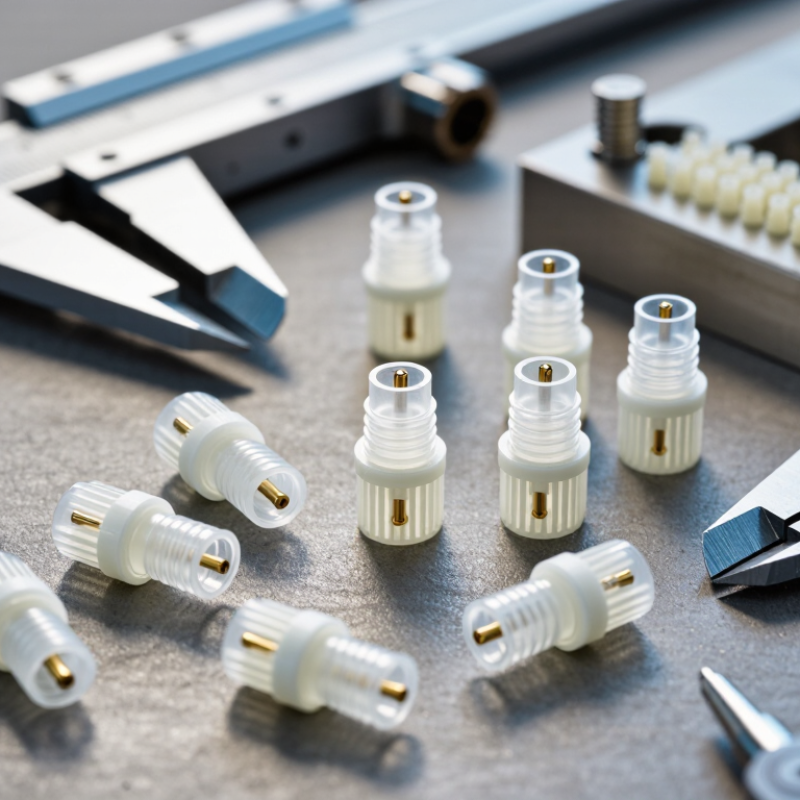
Repeatability depends on details. Stable machines, well-maintained tooling, and inspection methods suited to the part all matter. For a miniature connector, for example, a slightly misplaced gate may affect both appearance and assembly. Suppliers should explain how they measure critical features, control resin drying, and record lot-to-lot variation. Details matter. Yet even capable teams can underestimate how a small design change affects ejection or cycle time.
Grand View Research’s 2024 Injection Molded Plastics Market report estimated the broad market at USD 330.41 billion in 2023. It projected USD 492.5 billion by 2030. These figures describe injection-molded plastics overall, not small parts alone. Still, they underline the scale of competition and the value of process discipline. For precision components, request capability data from representative production runs, material traceability, and clear limits on tolerances. A supplier’s answer should be specific. “We can make it” is not enough.
Top Injection Molding Small Parts Suppliers in 2026
2026 Top Injection Molding Small Parts Suppliers
Top Injection Molding Small Parts Suppliers in 2026
Choosing a supplier for small molded parts takes more than comparing unit prices. Tiny components can reveal issues that larger parts hide: a blocked rib, a visible gate mark, or a pin that no longer fits after cooling. Small details matter. Ask how the supplier controls resin drying, mold temperature, and dimensional checks across production runs.
A capable partner should review your drawings before tooling begins. Look for practical feedback on wall thickness, draft angles, ejector locations, and achievable tolerances. Request sample parts and inspection records for critical features, such as a 2-millimeter bore or a snap-fit edge. Ask how measurement equipment is calibrated and how process changes are documented. These details help distinguish repeatable production from a promising first sample.
Price still matters, but the lowest quote may leave out mold maintenance, inspection time, or packaging that protects delicate parts. Compare lead times, material traceability, and plans for handling defects. A supplier’s process can look excellent on paper and still need adjustment after the first trial; that is worth admitting. For 2026, prioritize clear communication and evidence from real production runs, not broad claims about precision.
How to Select a Supplier for Your Project Needs
Choosing a small-parts injection molder starts with the part, not the quote. Send the supplier a current CAD file, resin specification, annual volume, critical dimensions, and service conditions. Request a design-for-manufacturing review before tooling begins. On a tiny clip or housing, a slight gate shift can affect fit. Details matter.
Use evidence, not polished presentations. Deloitte’s 2024 Smart Manufacturing and Operations Survey found that 86% of surveyed manufacturing executives viewed smart manufacturing as a competitiveness driver over the next five years. Ask whether the supplier records machine settings, resin lots, and inspection results. ISO’s 2022 Survey counted more than 1.2 million ISO 9001 certificates worldwide. Certification is useful context, not proof that a supplier controls your specific tolerances.
Request samples made with a production-intent tool, then compare measured dimensions with the drawing. Optical measurement or a coordinate measuring machine may suit different features. Define acceptance limits for flash, short shots, warpage, and gate marks. Check tool ownership, maintenance duties, change approval, backup capacity, and realistic lead times. A low quote can hide assumptions. Ask for a capability study on the hardest feature, even if approval takes longer; it may reveal process weaknesses before thousands of parts are made.