
No Job is Too Big or Too Small!
Top Benefits of PVC Injection Molding for Modern Manufacturing?
PVC injection molding has become a cornerstone of modern manufacturing. According to Dr. Emily Carter, a renowned expert in polymer processing, “PVC injection molding offers unmatched versatility and efficiency for producing complex components.” This technique enables manufacturers to create high-quality products with precision and speed.
In recent years, industries have increasingly adopted PVC injection molding. It allows for substantial cost savings and reduced production times. The adaptability of PVC materials makes them ideal for various applications, from automotive to medical devices. However, companies must remain vigilant about quality control. Small imperfections can lead to significant issues down the line.
Dr. Carter emphasizes the importance of expertise in the field. “Understanding the material properties and processing conditions is crucial for success,” she notes. This highlights the need for continuous research and development. Innovative solutions are essential for overcoming challenges in the PVC injection molding landscape. Balancing efficiency and quality remains a persistent challenge that manufacturers must confront.
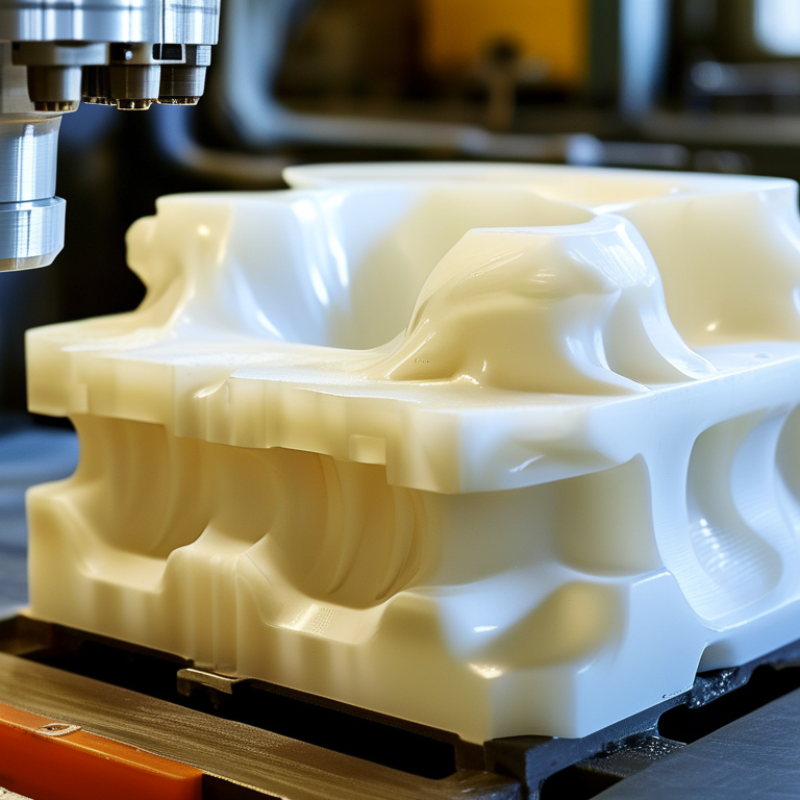
Understanding PVC Injection Molding in Modern Manufacturing
PVC injection molding has emerged as a pivotal technology in modern manufacturing. This process offers several advantages, particularly in the production of high-volume parts. According to a report by the Freedonia Group, the PVC molding market is expected to reach $2.3 billion by 2025, highlighting its growing significance.
One key benefit of PVC injection molding is its versatility. This technology allows for the creation of complex shapes while maintaining durability. PVC products are also resistant to water and chemicals, making them ideal for various applications, such as automotive and medical devices. Additionally, the process enables faster production times, which is essential in today’s fast-paced market.
Tip: When considering PVC for your projects, ensure compatibility with your intended applications. Understanding the specific properties of PVC can help in achieving better outcomes.
However, the process isn't without challenges. Molding defects can occur, leading to waste and increased costs. Manufacturers must invest in quality control to minimize these issues. Regular maintenance of equipment and proper training for staff can address some of these potential pitfalls.
Tip: Implementing a robust quality assurance system can significantly reduce defects and enhance product reliability. Continuous improvement practices are crucial for long-term success in PVC injection molding.
Top Benefits of PVC Injection Molding for Modern Manufacturing
| Benefit | Description | Applications | Environmental Impact |
|---|---|---|---|
| Cost-Effectiveness | PVC injection molding is generally less expensive due to lower material costs and efficient production processes. | Consumer goods, automotive parts, and packaging solutions. | PVC is recyclable, contributing to a reduction in plastic waste. |
| Versatility | Can be molded into a wide range of shapes and sizes, suitable for diverse applications. | Construction materials, medical devices, and electrical housings. | Lower energy consumption in production compared to some alternatives. |
| Durability | PVC is resistant to impact, moisture, and chemicals, ensuring longevity in various environments. | Outdoor furniture, plumbing components, and protective coverings. | Meets standards for environmentally-friendly materials. |
| Ease of Production | High efficiency and speed in manufacturing processes, allowing large production runs. | Electronics, automotive interiors, and home appliances. | Sustainable sourcing options available for biodegradable additives. |
| Customizability | Color, texture, and finish can be easily customized to meet specific aesthetic requirements. | Interior decor, packaging, and branded products. | Innovative recycling processes support a circular economy. |
Related Posts
-
How to Optimize PVC Injection Molding for Better Production?
-
Revolutionizing Product Design with Innovative PVC Injection Molding Techniques
-
Top 10 Benefits of PVC Injection Molding for Your Manufacturing Needs?
-
Top 5 Tips for Successful PVC Injection Molding Techniques?
-
How to Optimize PVC Injection Molding for Maximum Efficiency and Quality
-
2025 Top PVC Material Innovations for Sustainable Construction and Design