What is PVC Injection Molding and How Does It Work?
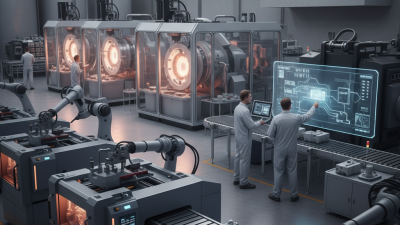
PVC injection molding is a manufacturing process widely used in various industries. This technique allows for the efficient production of plastic parts. According to a recent report by MarketsandMarkets, the global PVC market is expected to reach $70 billion by 2027, highlighting its significance.
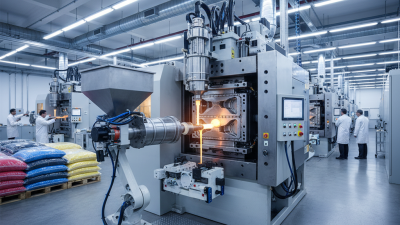
In PVC injection molding, molten PVC is injected into a mold. This method enables the creation of complex shapes with precision. The production speed is impressive, with cycles often taking less than a minute. However, companies must ensure quality control, as defects can occur. Reports indicate that 5-10% of produced parts may need re-evaluation.
Furthermore, PVC injection molding is not without its challenges. Environmental concerns linger regarding PVC’s impact. Manufacturers are encouraged to explore recycling methods. This could improve sustainability in the plastic production sector. As the industry evolves, innovative solutions are crucial to address these issues.
Understanding PVC: Properties and Applications
PVC, or polyvinyl chloride, is a versatile plastic widely used in various industries. Its properties include durability, chemical resistance, and flexibility. According to a report by the Plastics Industry Association, the demand for PVC was projected to reach 20 million tons globally by 2025. This growth is attributed to its applications in construction, automotive, and healthcare sectors.
In construction, PVC is frequently used for pipes and fittings due to its non-corrosive nature. The American Society for Testing and Materials (ASTM) states that PVC pipes can last over 100 years under proper conditions. However, not all PVC products are created equal. The production process varies, affecting performance and environmental impact. Some experts express concern over environmental sustainability as PVC production can release harmful chemicals. This is a crucial issue needing attention.
In the automotive industry, PVC is often used for dashboards and interior panels. Its lightweight nature can help improve fuel efficiency. However, the reliance on PVC raises questions about long-term degradation and recycling challenges. Reports indicate that only about 9% of PVC is recycled effectively. The industry must address these shortcomings to enhance sustainability while meeting growing demands.
Analysis of PVC Properties and Applications
This bar chart illustrates the properties of PVC, showcasing its durability, chemical resistance, flexibility, cost efficiency, and electrical insulation on a scale of 0 to 10. These attributes highlight why PVC is widely used across various applications in construction, electrical, and automotive industries.
Introduction to Injection Molding Process
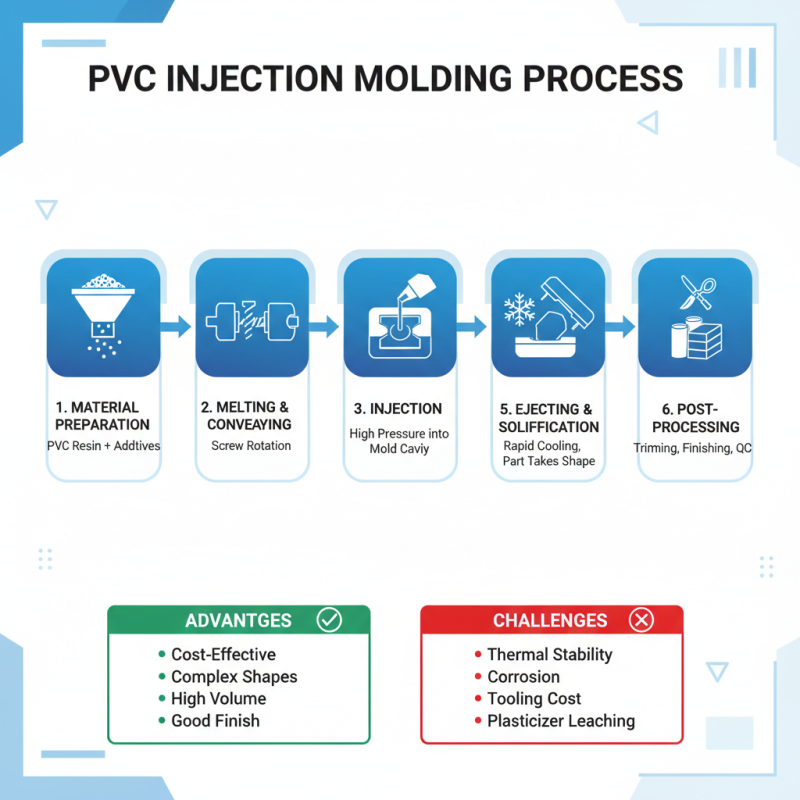
Injection molding is a manufacturing process that helps create complex shapes efficiently. It works by melting material, typically thermoplastics like PVC, and injecting it into a mold. The material cools, solidifies, and takes the desired shape. This process is widely used due to its efficiency and ability to produce large quantities.
One key aspect is the mold design. If the mold isn’t precise, it can lead to defects. Small errors in measurements can turn into significant problems during production. It is essential to focus on precision to minimize these issues. The cooling time is another factor that can affect product quality. If the cooling is uneven, warping may occur. That is something to keep in mind.
Tips: Ensure your mold is made from high-quality materials. Consider regular maintenance checks. This helps avoid costly repairs down the line. Keep in mind the temperature during injection. It should be consistent for optimal results. Disregarding these elements may lead to flawed products, necessitating more resources to correct mistakes.
Step-by-Step PVC Injection Molding Procedure
PVC injection molding is a popular manufacturing process used to create a variety of products. The procedure involves several key steps that ensure the final product meets specific requirements. This method can be effective, but it also has its challenges.
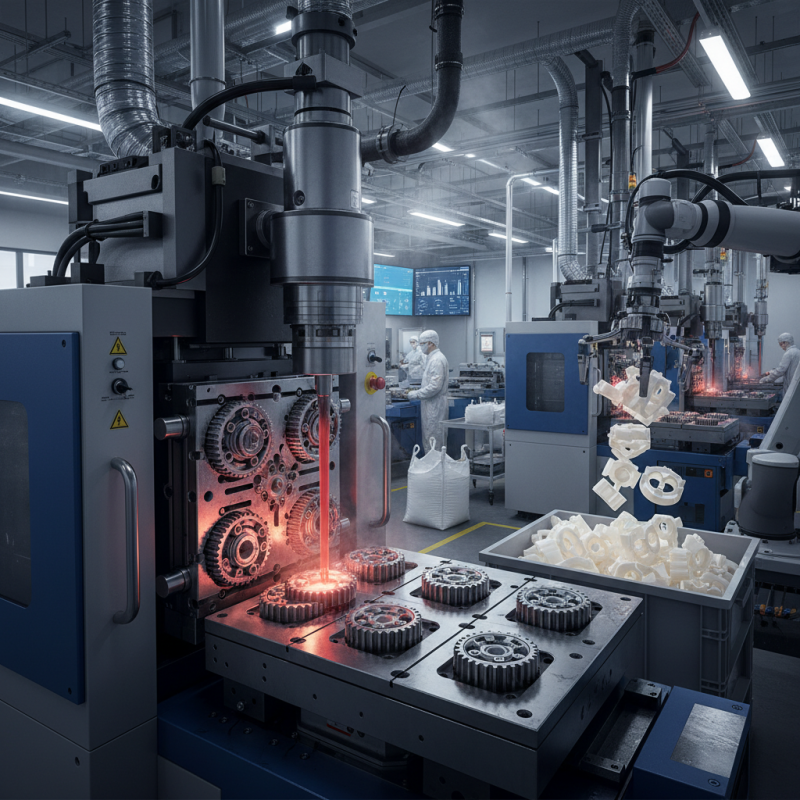
Start by preparing the PVC material. It is important to heat the PVC until it reaches a molten state. This can take time and requires precise temperature control. If the heat is not adequate, the material may not flow correctly during molding. After heating, inject the molten PVC into a specially designed mold. The mold shapes the product as the PVC cools and solidifies. Proper timing is crucial here. If the cooling is too fast or too slow, it can lead to defects.
Upon completion, remove the item from the mold. This step can present issues. Sometimes, products get stuck and require careful extraction. Next, inspect the molded part for imperfections. Bubbles or warping can occur. Quality checks are necessary to ensure durability and functionality. Refining this process is vital to improve the final output. Implementing feedback loops can help identify areas needing adjustment.
Advantages of Using PVC in Injection Molding
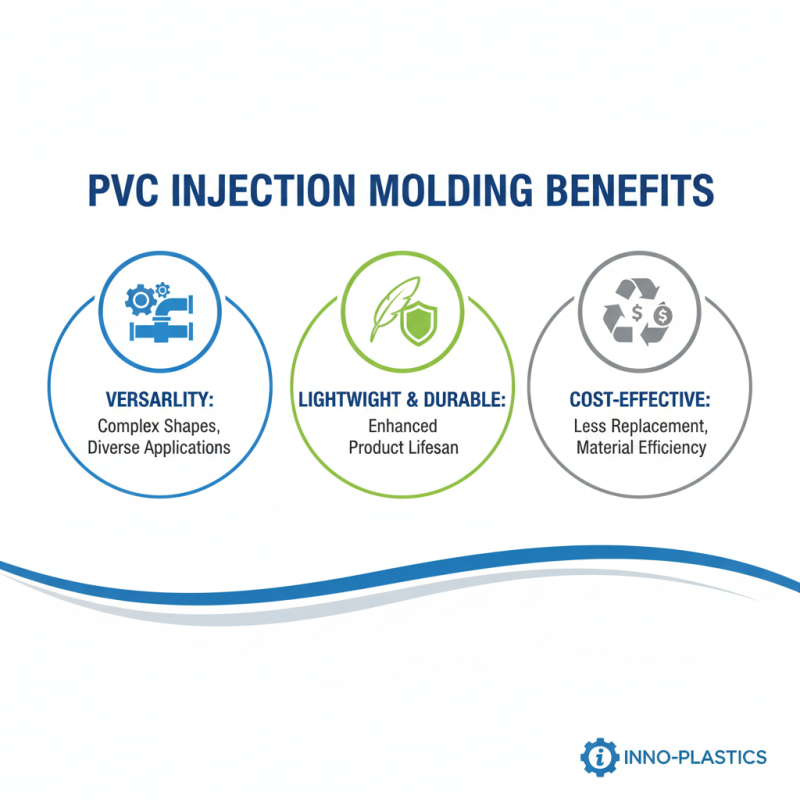
PVC injection molding offers several distinct advantages. One significant benefit is its versatility. PVC can be molded into complex shapes and designs, making it suitable for various applications. From piping to consumer goods, the possibilities are vast. Additionally, PVC is lightweight yet durable. This combination enhances product longevity, leading to less frequent replacements.
Another notable advantage is its resistance to chemicals and corrosion. PVC products can withstand harsh environments that might damage other materials. This property is especially valuable in industries like construction and plumbing. However, it's important to consider the potential environmental impact of PVC. The production and disposal of PVC can raise concerns. Companies must reflect on sustainable practices in their manufacturing processes. Balancing quality with eco-friendliness remains a challenge for many in the industry.
Common Applications and Industries for PVC Products
PVC injection molding is widely used across various industries due to its versatility and cost-effectiveness. In construction, PVC products such as pipes and fittings are essential. These materials are durable and resistant to corrosion. They are often used in plumbing and electrical systems. The lightweight nature of PVC makes handling easy on job sites.
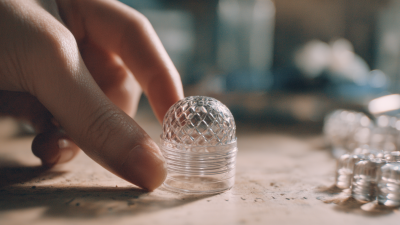
In packaging, PVC is a popular choice. It is often utilized for making containers, shrink wraps, and clamshell packaging. Its clarity makes products visible to consumers. However, there are concerns about its environmental impact. Recycling PVC can be challenging, leading to waste issues.
The automotive industry also benefits from PVC molding. It is used in dashboards, door panels, and trim pieces. The material is easy to mold into complex shapes. It can also be colored and textured, enhancing aesthetic appeal. Yet, finding eco-friendly alternatives remains an ongoing challenge. Balancing cost and sustainability is crucial for the future of PVC use in various sectors.
What is PVC Injection Molding and How Does It Work? - Common Applications and Industries for PVC Products
| Application |
Industry |
Description |
Benefits |
| Construction Materials |
Construction |
PVC is used for making pipes, fittings, and profiles that are durable and weather-resistant. |
Low cost, lightweight, and high durability. |
| Consumer Products |
Manufacturing |
Used in making toys, furniture, and packaging materials. |
Versatile design, safety, and long lifespan. |
| Automotive Parts |
Automotive |
Used in interiors, dashboards, and protective covers. |
Lightweight, fuel efficiency, and resistance to chemicals. |
| Electrical Insulation |
Electronics |
Used as insulation for wires and cables. |
Good dielectric properties and flame resistance. |
| Medical Devices |
Medical |
Used in tubing, containers, and protective equipment. |
Biocompatible, sterilizable, and easy to process. |