What Are the Top PVC Sheet Types in 2026?
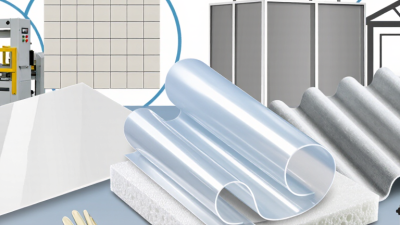
In 2026, “top” PVC sheet types depend less on popularity than on the job they need to do. A rigid sheet can provide a firm, smooth surface for signs, protective panels, or interior fittings. Flexible PVC sheets bend around curved surfaces and suit applications where a little give matters. PVC foam boards are lighter and easier to shape, while clear sheets help preserve visibility around displays or partitions. Each type has trade-offs. No single sheet works best everywhere.
This guide compares common pvc sheets by their structure, finish, and practical uses. It also looks at laminated, colored, and textured options, which can add surface protection or change how a panel looks and feels. Imagine a workshop bench: weight, scratch resistance, and ease of cutting may matter more than a glossy finish. For a display case, clarity and surface quality may take priority. Small details count. Before choosing, check the manufacturer’s technical data for thickness, tolerances, and suitable operating conditions. Ask how the sheet will be cleaned, cut, or installed, too. Product descriptions can sound similar, and categories sometimes overlap. That distinction is useful, though not always neat. The aim here is to make comparisons clearer, not to promise one universal winner.
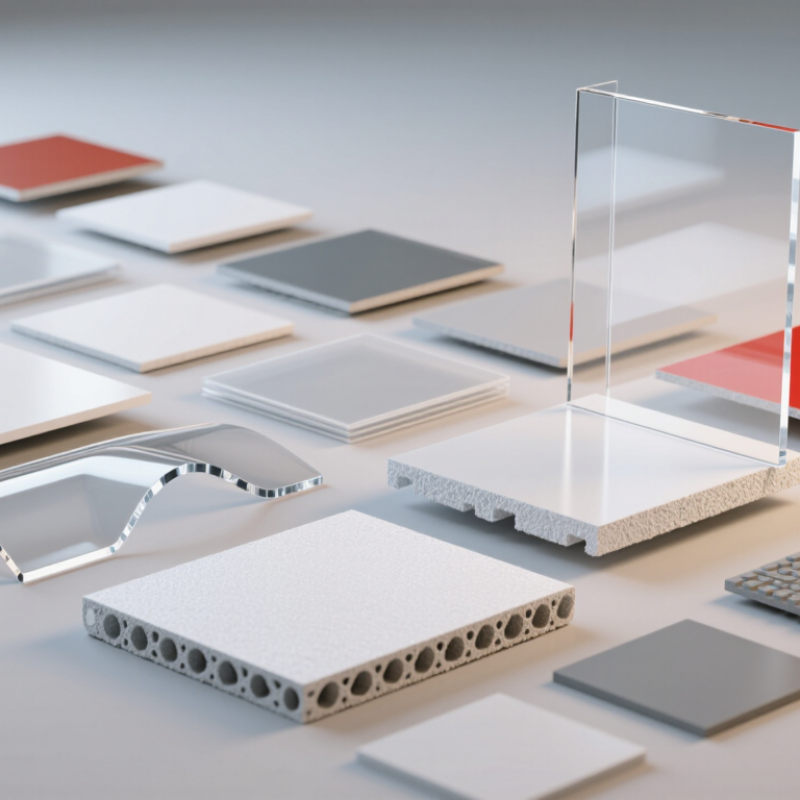
PVC Sheet Fundamentals: ASTM D1784 Grades and 1.35–1.45 g/cm³ Density
PVC sheet selection in 2026 should start with the compound, not the color. ASTM D1784 classifies rigid PVC and CPVC compounds using cell classifications for properties such as impact strength, tensile strength, and heat deflection. These classifications help compare material behavior, but they do not automatically qualify a finished sheet for every application. Check the declared classification and the test methods behind it. Numbers matter.
Rigid PVC sheet often has a density around 1.35–1.45 g/cm³, though fillers, additives, and processing can shift the measured value. Treat this range as a useful screening clue, not a pass-or-fail rule. At 1.40 g/cm³, a 3 mm sheet weighs roughly 4.2 kg per square meter before thickness variation. That estimate helps with handling and support planning. Actual sheet weight may differ.
Density alone cannot confirm impact resistance or suitability for a specific temperature. Two sheets with similar density can behave differently if their formulations or manufacturing conditions differ. That distinction is easy to miss. Request the ASTM D1784 cell classification, density tolerance, thickness tolerance, and relevant performance data. If the documentation is unclear, pause before specifying the material; a neat number on a product sheet is not the whole story.
Rigid PVC-U Sheets: ASTM D1784 Type I, Cell Class 12454, and Uses
Rigid PVC-U sheet is a practical choice when a project needs a stiff, corrosion-resistant panel. ASTM D1784 Type I, Cell Class 12454 identifies a material classification, not a guarantee that every sheet performs identically. Check the manufacturer’s technical data for the actual product, including thickness tolerance, impact properties, and operating temperature. Details matter.
The material is commonly fabricated into chemical-processing tank linings, ventilation ductwork, equipment guards, and laboratory fixtures. A workshop can cut and drill it with suitable tooling, though sharp edges and heat from machining deserve attention. PVC-U resists many acids and salts, but chemical compatibility depends on concentration, temperature, and exposure time. Test the specific conditions when failure would be costly.
For sheet selection, consider how the panel will be supported and joined. A thin sheet may flex between fasteners, even when its material classification is suitable. That is easy to overlook. PVC-U is also less suited to sustained high heat or heavy structural loading than some alternatives. In practice, no specification replaces checking the finished part under real service conditions. That extra check can feel inconvenient, but it often catches the mismatch early.
PVC Foam Sheets: Cellular Structure, Lower Mass, and Fabrication Grades
PVC foam sheets use a cellular core to reduce mass while retaining a workable, rigid panel. PlasticsEurope’s Plastics – the Fast Facts 2024 estimates PVC made up about 12% of global plastics production in 2023. That figure covers all PVC applications, not foam sheets alone, but it shows the material’s broad industrial use.
Fabrication grades differ in cell structure and surface finish. Free-foam sheets have a more uniform, matte surface that suits routing, lettering, and display work. Celuka-style sheets form a denser outer skin over a foam core, which can improve surface durability and screw holding. Co-extruded grades pair a foam core with a harder outer layer.
Lighter panels are easier to carry and cut, but density and load capacity vary by supplier and thickness. Check the product data sheet before specifying a panel; “foam PVC” is not one fixed material. ASTM D1784 provides a framework for classifying rigid PVC compounds by properties, though it does not replace sheet-specific performance data.
On a workshop bench, a sharp cutter can leave a clean edge; a dull bit may tear the skin. Small detail, real consequence.
Flexible and Clear PVC Sheets: Plasticizer-Driven Hardness and Film Formats
What Are the Top PVC Sheet Types in 2026?
Flexible and Clear PVC Sheets: Plasticizer-Driven Hardness and Film Formats
Flexible PVC sheet gets its bend from plasticizers blended into the resin. More plasticizer generally lowers hardness and improves drape, while too much can reduce stiffness and change the feel over time. The right balance depends on the application, temperature, and contact conditions. A soft curtain should fold easily; a protective mat may need more body.
Not always.
Clear PVC film is another common format, often supplied in rolls or cut sheets. It can preserve sightlines in partitions, covers, and display windows. Clarity depends on formulation, thickness, and processing, not just the word “clear” on a specification. A thin film may look bright under showroom lights yet show wrinkles or scratches in daily use.
Small details matter.
When comparing options, check thickness, hardness data, and flexibility at expected temperatures. Ask how the sheet performs after repeated bending, cleaning, or prolonged contact with other surfaces. Plasticizers can migrate under some conditions, so confirm suitability for the intended use. One limitation is easy to overlook: hardness alone cannot predict service life. Sample testing often reveals what a datasheet misses.
Compare PVC Sheet Types by Typical 60°C Service Limits and Fire-Test Grades
What Are the Top PVC Sheet Types in 2026?
Compare PVC Sheet Types by Typical 60°C Service Limits and Fire-Test Grades
At a 60°C operating point, rigid PVC-U sheets are near their common continuous-use limit. Heat, load, and chemical exposure can shorten service life. Plasticized PVC-P is more flexible, but its temperature rating depends heavily on formulation. Many grades need a lower limit. CPVC sheets generally tolerate higher temperatures, often around 90°C, though exact ratings vary. Treat these figures as screening guidance, not guarantees.
Fire ratings need separate scrutiny. UL 94 V-0 limits each specimen’s afterflame time to 10 seconds; V-1 allows up to 30 seconds. Both have additional criteria, including limits on flaming drips. ASTM E84 uses a different approach: Class A corresponds to a flame-spread index of 0–25 and smoke-developed index of 450 or less. These results apply to tested specimens and conditions, not every sheet thickness or installation.
ASTM D1784 classifies rigid PVC compounds, while ASTM D648 measures heat-deflection temperature under specified loading. Neither result alone establishes a safe continuous service temperature. A sheet that passes a fire test may still deform at 60°C. Check the exact grade’s technical data, test thickness, and mounting conditions. A neat chart can still mislead. Real assemblies behave differently.
What Are the Top PVC Sheet Types in 2026? — Compare Typical 60°C Service Limits and Fire-Test Grades
Important: These are indicative ranges, not guaranteed design limits. Fire classifications are established by testing a specific product at a specified thickness and under a specified method. UL 94 classifications and EN 13501-1 building classifications are different systems and are not interchangeable. Confirm continuous-use temperature, fire-test documentation, chemical compatibility, and load conditions with the exact sheet supplier before specification.